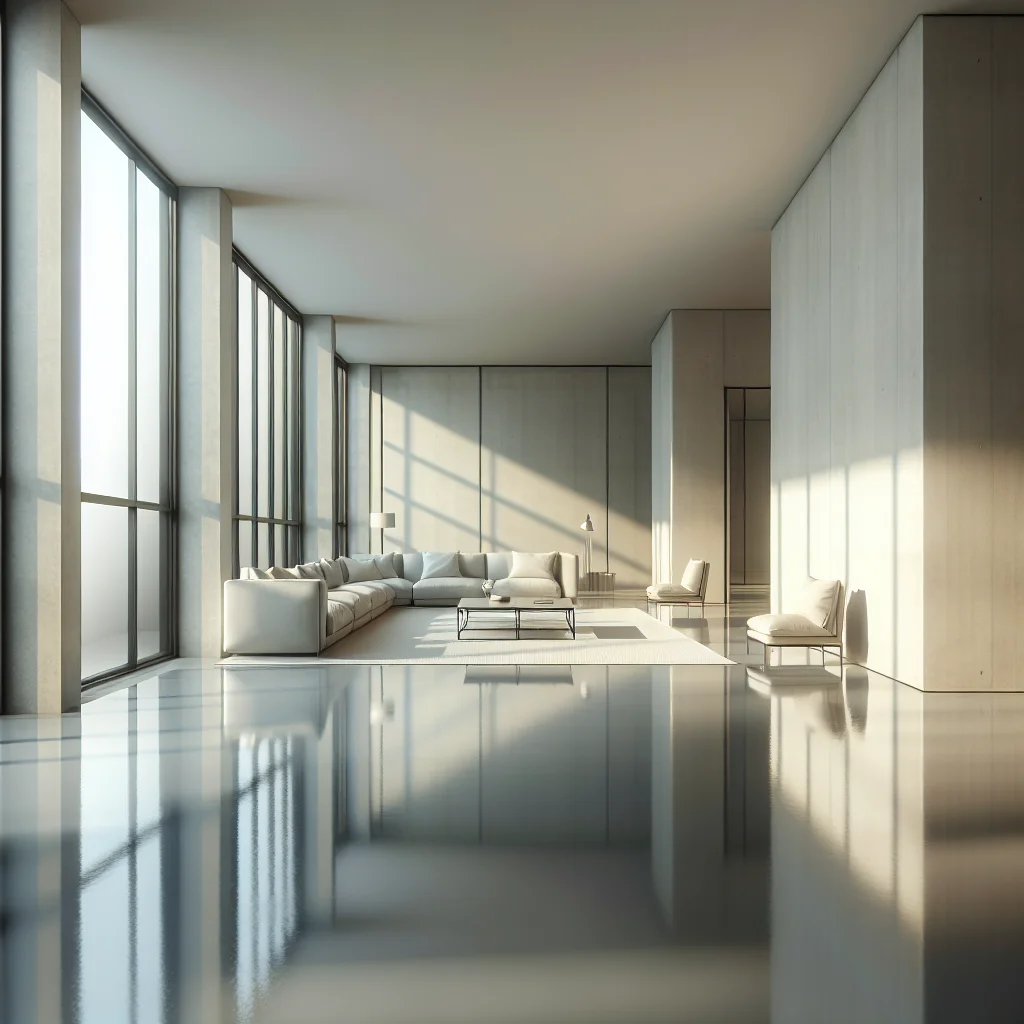
Polished concrete floors combine practical strength with a clean, modern look. They fit homes, shops, showrooms, and offices where a durable, low-maintenance surface is needed.
This post explains how a polished concrete finish is achieved, what options exist, and how to keep the surface performing and looking good for years.
How the finishing process works
The polished surface is created by abrading the concrete with progressively finer diamond tools. Each pass removes tiny imperfections and develops a smoother appearance.
Between grinding steps, treatments like densifiers strengthen the surface and help achieve higher sheen levels. The full process balances mechanical abrasion, chemical treatment, and optional topical coatings.
Initial assessment and planning
Every floor starts with an assessment of the existing slab. Issues such as cracks, spalling, or heavy stains influence the method and time required.
Decisions include whether to expose aggregate, add decorative elements, or simply create a uniform high-gloss finish.
Grinding stages
Grinding begins with coarse diamonds to level high spots and remove surface contaminants. This stage shapes the slab and eliminates rough patches.
Subsequent passes use medium and fine diamonds. Each step refines the texture, often moving through grit sizes until the surface looks even and smooth.
Densification and polishing
After initial grinding, a densifier is applied. This chemical reacts with the concrete to fill pores and harden the surface.
Polishing then proceeds with very fine diamonds to bring out sheen. The degree of polish depends on grit levels and the number of passes.
Options in sheen and appearance
Polished concrete can range from a matte look to a mirror-like gloss. The choice affects light reflection, perceived cleanliness, and the feeling of space.
Appearance is also influenced by aggregate exposure, color treatments, and sealers. These choices let the floor serve functional needs and aesthetic goals at the same time.
Sheen levels explained
Lower sheen feels softer and hides minor scratches better. Higher sheen reflects more light and shows surface detail clearly.
- Matte or satin: subtle reflection, forgiving surface.
- Semi-gloss: balance of shine and practicality.
- High gloss: maximum reflectivity and depth.
Color and decorative options
Integral color, stains, and dyes add warmth or design interest. Acid stains create variegated tones, while dyes provide more uniform color.
Exposed aggregate or decorative inlays introduce texture and visual focal points. Polishing over these elements brings out contrast and depth.
Practical benefits and common concerns
Polished concrete stands out for its durability and low upkeep. It resists heavy foot traffic and many types of wear that damage softer floors.
However, homeowners and business owners often ask about slipperiness, coldness, and noise. Each of these can be managed through design choices and treatments.
Durability and lifecycle
When properly prepared and treated, these floors can last decades with minimal intervention. Densifiers and periodic polishing extend life and restore sheen.
Compared with coverings that must be replaced, polished concrete often delivers lower lifetime costs in many settings.
Slip resistance and safety
High gloss can look slippery when wet, but slip resistance is adjustable. Adding anti-slip textures, selecting a lower sheen, or using specific coatings reduces slip risk.
For commercial areas, slip ratings and local codes guide the choice of finish and treatments.
Acoustic and thermal aspects
Concrete has a hard surface that reflects sound. Rugs, acoustic panels, and layout choices help control noise in large open rooms.
Concrete also feels cool underfoot. In some climates that is welcome, while in others, area rugs or underfloor heating can add comfort.
Maintenance, repairs, and long-term care
Routine maintenance is straightforward: regular dust mopping and occasional damp mopping keep the surface clean. Harsh cleaners and wax buildup should be avoided.
When scratches or dull areas appear, light re-polishing or a topical refresh can renew the floor without full replacement.
Daily and weekly care
Use a microfiber dust mop to capture grit that can scratch the surface. For spills, clean promptly with a pH-neutral cleaner and a damp mop.
Avoid detergents with waxes or oily residues that can leave a dull film over time.
Periodic maintenance and repairs
Every few years a floor may need a maintenance pass with fine diamonds or a fresh coat of a breathable sealer. This restores gloss and helps protect the surface.
Small cracks or chips can be patched with compatible repair mortars. Major damage may need targeted grinding and re-polishing to blend repairs.
Cost considerations and value
Initial costs vary with slab condition, level of finish, and decorative elements. Exposing aggregate or adding color will increase time and expense.
Over time, the low maintenance and long life often make polished concrete a cost-effective choice compared with frequent replacement of softer floor coverings.
Upfront factors that affect price
- Existing slab condition and required repairs.
- Desired sheen and number of polishing passes.
- Decorative treatments like staining, aggregates, or scoring.
- Accessory work such as baseboard adjustments and transitions.
Long-term savings and performance
With basic care, the floor can avoid cyclical replacement costs. Reduced need for waxing, refinishing, or full replacement adds up.
Energy benefits appear where higher reflectivity improves daylighting, lowering artificial lighting needs in some spaces.
Conclusion
Polished concrete floors offer a reliable, low-maintenance surface with a modern look. The finish is flexible, from matte tones to high-gloss reflections, and can be tailored with color and decorative elements.
Understanding the finishing stages, maintenance needs, and cost trade-offs helps match the right approach to each space. With proper preparation and care, these surfaces deliver lasting performance and visual appeal.
Frequently Asked Questions
Are polished concrete floors slippery when wet?
High gloss surfaces may feel slick when wet, but slip resistance can be improved. Options include selecting a lower sheen, applying anti-slip additives, or creating a slightly textured finish.
How long does the polishing process take?
Timing depends on slab condition, size, and desired finish. A simple refresh can take a day or two, while full preparation, repairs, and high-gloss polishing may require several days to a week.
Can I change the color later on?
Color can be added with dyes or stains during polishing. After the initial finish, changing color is possible but may require additional grinding and treatment for even results.
What cleaners are safe for these floors?
Use pH-neutral cleaners formulated for polished concrete. Avoid strong acids, alkalis, or waxy products that can damage the finish or leave residue.
Will polished concrete crack over time?
Concrete can develop cracks from settlement or structural movement. Proper slab preparation and repair methods reduce visible cracking, and surface repairs can be blended into the polish.