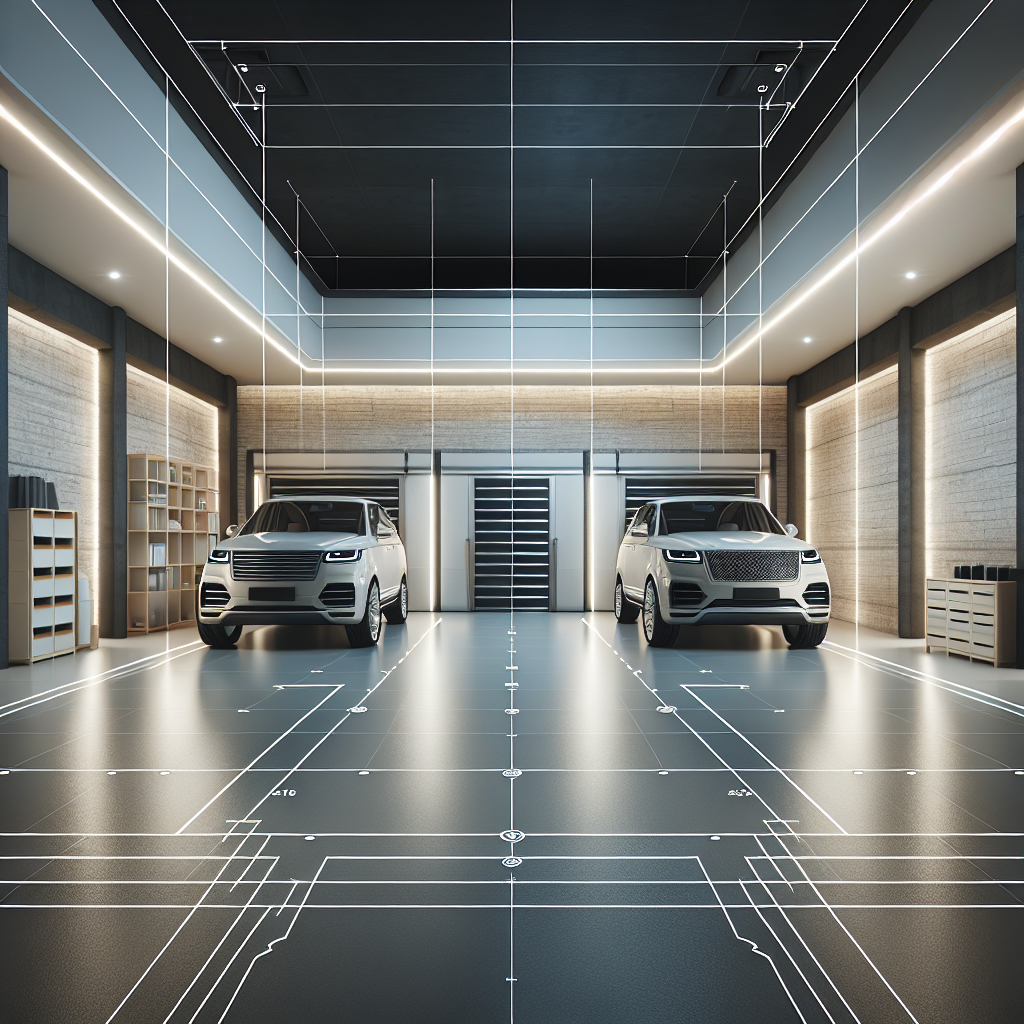
A two car garage does more than hold vehicles. It protects cars, stores tools, and can serve as a small workshop or hobby area if planned well.
This article covers typical dimensions, layout choices, door options, and storage ideas to help you pick the right size and arrangement for everyday use.
How much space does each vehicle need
Cars vary widely in width and length, so a practical garage starts with basic clearances. Allow room to open doors, move around the vehicle, and access storage without squeezing past tight gaps.
Think in terms of vehicle footprint plus clearance on each side and behind. That creates a comfortable working space instead of a cramped storage box.
Width and clearance basics
A typical compact car is about 6 to 6.5 feet wide excluding mirrors. A midsize sedan is closer to 6.5 to 7 feet. For two cars parked side by side, add at least 2 to 3 feet of clearance between them.
- Single vehicle useful width: 9 to 10 feet including door swing.
- Two vehicle side-by-side minimum width: about 18 to 20 feet, but 20 to 24 feet is more comfortable.
Depth and overhead space
Depth depends on vehicle length and whether you plan walking or storage space at the front or back. Small cars may fit in 18 to 19 feet depths, while trucks and SUVs often need 20 to 24 feet.
- Minimum depth: 18 feet for compact vehicles.
- Comfortable depth: 20 to 24 feet to allow storage at the front.
- Ceiling height: at least 8 feet for cars; 10 to 12 feet if you have taller vehicles or overhead storage.
Common two-car layouts and size options
There are a few layouts that people choose depending on lot size and goals. Each layout affects door placement, driveway approach, and usable interior space.
Below are common size packages and what they work best for, along with tweaks to match vehicle mix and storage needs.
Standard side-by-side layout
The most common layout places two cars next to each other behind a wide door or two single doors. It’s efficient and fits most suburban lots.
- Typical dimension: 20 x 20 feet. Fits many compact and midsize cars but offers limited storage.
- More comfortable option: 22 x 22 feet or 24 x 24 feet to allow storage along the sides and rear.
L-shaped or offset layouts
An L-shaped layout gives dedicated storage or workshop space along one side. This works well when one vehicle is much larger or you need a workbench area.
- Example: 22 x 26 feet with an offset storage bay 6 feet deep along one wall.
- Offset layout can allow parking one car slightly ahead of the other for easier access.
Tandem layout
A tandem layout parks one car behind the other. This saves width but increases depth and can be practical on narrow lots.
- Typical tandem depth: 36 to 40 feet when stacking two standard cars.
- Door strategy: one wide door or two separate doors; consider access if one car blocks the other.
Planning doors, storage, and workspace
Doors, storage, and workspace choices change how you use the garage. A well chosen door size makes parking easy, while smart storage keeps floors clear and vehicles accessible.
Plan storage and workspace with vehicle access in mind. Avoid blocking doors or creating tight passages.
Garage door sizes and layout
Common door widths and heights influence the usable space and curb appeal. Choose door sizes that match your vehicles and the chosen layout.
- Single-car door widths: 8 to 10 feet wide and 7 to 8 feet high.
- Double-car door widths: 16 to 18 feet wide and 7 to 8 feet high.
- Higher doors: 9 to 10 feet high if you have tall trucks or want overhead storage clearance.
Storage solutions that save floor space
Vertical storage and ceiling-mounted racks help retain parking and workspace area. Shelving and cabinets along the walls keep tools off the floor.
- Ceiling racks: great for seasonal items and bulky gear.
- Wall cabinets and pegboards: keep frequently used tools at hand.
- Fold-down workbenches: provide workspace when needed without permanent floor use.
Workspace and hobby zones
If the garage doubles as a project area, set aside a clear work zone with adequate clearance. Consider noise and ventilation if you plan longer tasks.
- Minimum workshop bay: 6 to 8 feet wide along one wall for a bench and tool storage.
- Lighting and electrical: place outlets where you’ll use tools and add task lighting over the bench.
Layout tips to improve daily use
Small changes in layout make daily parking and retrieval much easier. Think about how you approach, park, and move things in and out of the garage each day.
Simple additions improve functionality without changing the overall footprint.
Door swing and entry clearances
Allow at least 2.5 to 3 feet of clearance next to each parked car so doors can open and people can move around comfortably.
- For heavy traffic families, 3 to 4 feet of side clearance is ideal.
- Ensure clear paths from the house entry to parked cars if the garage connects to living areas.
Lighting, flooring, and finish choices
Good lighting makes the garage safer and more pleasant to use. Floor finishes like epoxy protect concrete and make cleaning easier.
- Install bright overhead LED lights for general coverage.
- Add task lighting over work areas and doorways.
- Epoxy or sealed concrete resists stains and simplifies maintenance.
Heating, ventilation, and moisture control
If you store sensitive items or spend time in the space, consider basic heating and ventilation. Moisture control prevents rust and mold.
- A simple space heater or wall-mounted unit can extend use seasonally.
- Ensure proper ventilation when running engines or using chemicals.
- Use a dehumidifier in damp climates to protect stored items.
Cost and construction considerations
Size, door count, and finishes affect cost. A basic two-car shell is more affordable than a fully finished garage with HVAC and custom storage.
Think about long-term use when choosing upgrades. Some investments add value and convenience without huge cost increases.
Budget-friendly size choices
Smaller footprints reduce materials and labor. If budget is the primary concern, a well-planned 20 x 20 layout is common and economical.
- 20 x 20: affordable and fits most daily drivers.
- 22 x 22: modest upgrade that adds useful storage and comfort.
When to spend more
Upgrade costs rise with taller walls, larger doors, extra insulation, and electrical or HVAC additions. These pay off if the garage becomes a frequent workspace or storage area for valuable items.
- Higher ceilings add flexibility for lifts or overhead storage.
- Insulation and a finished interior make the space usable year-round.
Conclusion
Choosing the right size mixes vehicle footprints, storage needs, and how you use the space day to day. A slightly larger garage often pays off in convenience and flexibility.
Plan with clearance, door sizes, and storage in mind so the space works for parking and more. That way the garage becomes a useful part of the home rather than a tight storage box.
Quick size checklist
- Measure the widest vehicle including mirrors.
- Allow 2.5 to 3 feet clearance per side of each vehicle.
- Choose depth based on vehicle length plus desired storage area.
- Match door height to vehicle and any planned lifts or racks.
- Add storage vertically to keep floors clear.
Frequently Asked Questions
Below are short answers to common questions about sizing and planning a space that fits two vehicles and everyday needs.
What is the minimum width for a two car garage
The practical minimum width is about 18 to 20 feet. That fits two compact cars but offers limited side clearance. A 20 to 24 foot width is more comfortable for door opening and storage.
How deep should a garage be for trucks or SUVs
Plan for 20 to 24 feet of depth when parking trucks or larger SUVs. This allows room for the vehicle and some storage at the front without blocking access.
Should I choose one wide door or two single doors
One wide door creates a single large opening that is easy to drive into and gives flexibility. Two single doors provide separate access and can look balanced on the exterior. Consider how often you park side by side and how the driveway aligns.
Is it worth insulating and finishing the garage
Insulation and finishing are worth it if you plan to use the space as a workshop or want to protect stored items. Insulation helps with temperature control and reduces condensation, which protects vehicles and tools.
How much clearance should I leave for storage along the walls
Leave at least 2 to 3 feet of wall clearance for shelves or cabinets. If you want walkways and easy access to stored items, 3 to 4 feet is better. Use overhead racks to free up wall and floor space.