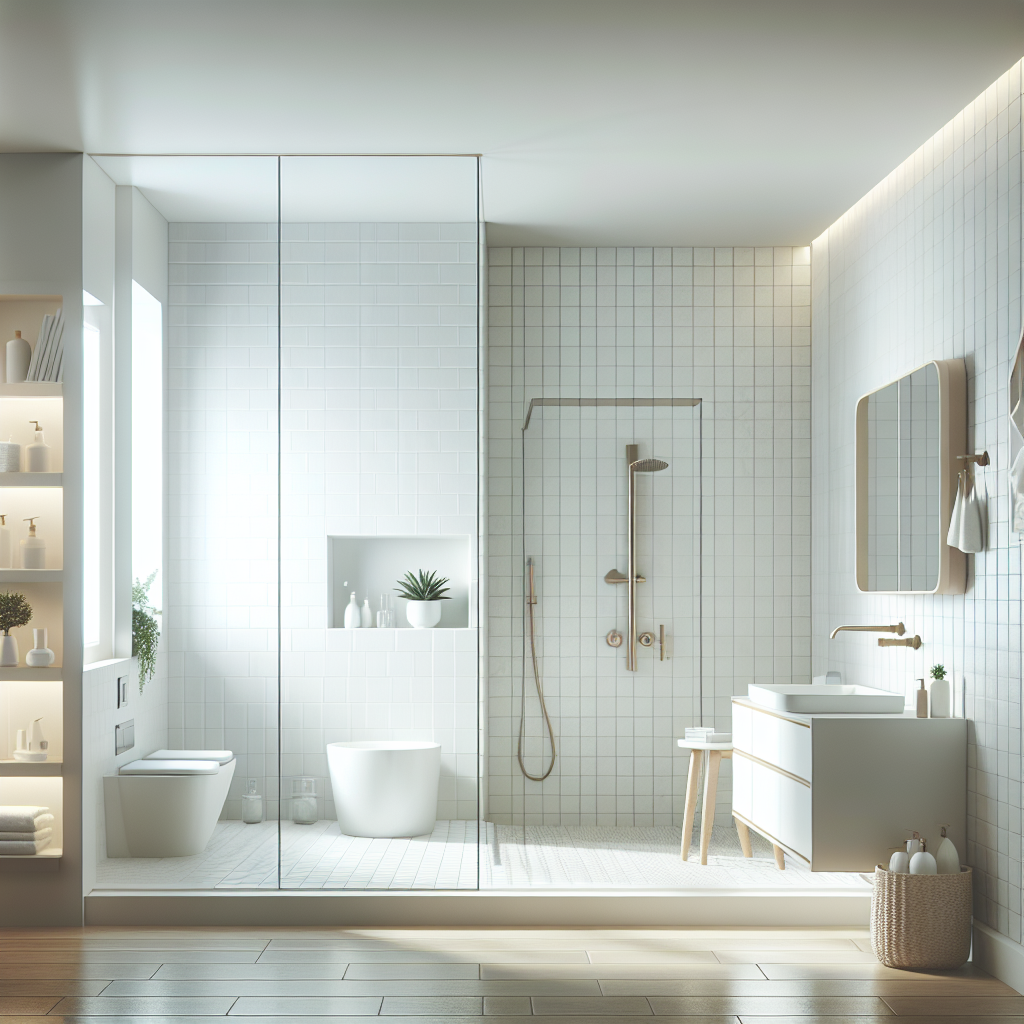
Knowing typical bathroom sizes saves time and avoids costly mistakes when planning a remodel or a new build. This article breaks down common layouts and the key measurements that make a bathroom both functional and comfortable.
Short, practical details and simple lists will help you compare options and choose the best fit for your space without getting lost in technical jargon.
Common bathroom sizes and layouts
Homes usually include a few standard layouts that suit different needs and footprints. Recognizing these basic types helps you decide what fits where and what fixtures will work best.
Small bathroom (powder or half bath)
Small bathrooms are often no more than 15–20 square feet. They typically include a toilet and a small sink, sometimes a corner vanity to save room.
Typical dimensions: 3′ x 6′ to 4′ x 5′. These rooms prioritize circulation space and a compact layout.
Three-quarter bathroom
Three-quarter bathrooms include a shower, a sink, and a toilet, but no bathtub. They are a great fit for guest rooms or tight second bathrooms.
Common sizes: 36″ x 60″ or 5′ x 7′. A walk-in shower often improves perceived space compared to a tub.
Full bathroom
Full bathrooms include a tub or bathtub-shower combo, a sink, and a toilet. These are standard in many homes and work well in secondary bedrooms.
Usual dimensions range from 5′ x 8′ to 6′ x 9′, depending on fixture choices and storage needs.
Master bathroom
Master baths are larger and often include a separate shower, soaking tub, double sink, and extra storage. They focus on comfort and more generous clearances.
Common footprints start around 8′ x 10′ and go up from there. Layout options include separate water closets and dual vanities.
Key measurements and clearances
Clearances and fixture placements determine how comfortable a bathroom feels. Small changes in spacing can make a room feel open or cramped.
Toilet clearances
A standard recommendation allows 15″ from the centerline of the toilet to any side obstruction, and 21″ in front for legroom.
On narrow rooms, consider wall-hung fixtures or compact elongated bowls to free up space.
Shower and tub sizes
Shower stalls commonly start at 36″ x 36″ for a square layout, but 36″ x 48″ or 42″ x 48″ is more comfortable.
Tub lengths usually are 60″ for alcove tubs; soaking tubs may be longer or deeper, requiring more floor area and plumbing planning.
Vanity and sink spaces
Single vanities start at 24″ wide, but 30″–36″ allows a sink with usable counter space. Double vanities typically need at least 60″ of wall length.
Allow at least 30″ of clear space in front of the vanity for comfortable use and door swings.
Doorways and circulation
Interior bathroom doors are typically 30″ to 32″ wide, though 32″–36″ is better for accessibility and moving large items.
Consider pocket doors where swing clearance is tight, but keep water resistance and privacy into account.
Practical layout tips to maximize space
Small bathrooms can feel larger with smart choices. These tips focus on layouts and fixture selection that improve function without increasing footprint.
Placement strategies
Arrange fixtures so plumbing runs are minimized; placing toilet, vanity, and shower near shared walls lowers costs.
Aligning fixtures on one wall or L-shaped arrangements usually work best in compact floor plans.
Storage without clutter
Recessed medicine cabinets, niches in showers, and tall slim cabinets use vertical space without crowding the floor.
Open shelving above the toilet can be attractive, but keep essential items behind closed doors to reduce visual clutter.
Lighting and mirrors
Layer lighting: ambient overhead, task lighting at the vanity, and accent lighting in niches or around mirrors enhances usability.
Large mirrors reflect light and add perceived depth. Consider a mirror that spans the vanity wall for maximum effect.
Fixture and material choices
Material selection influences durability and maintenance. Pick finishes and fixtures that suit your usage patterns and budget.
Water-saving fixtures
Low-flow toilets, efficient showerheads, and faucets reduce consumption and often qualify for rebates in many areas.
Look for fixtures with reliable brand reputations to minimize future repairs.
Durable surfaces
Ceramic or porcelain tile floors are common and water-resistant. Large-format tiles reduce grout lines and can make a small floor appear larger.
Use moisture-resistant drywall or cement board in wet zones and choose vanities with sealed finishes to prevent water damage.
Accessibility considerations
Design with future needs in mind: space for grab bars, a curbless shower, and a higher toilet centerline can be added with minimal disruption.
Wider doorways and zero-step entries improve mobility and resale appeal without sacrificing style.
Cost factors and planning priorities
The biggest costs in a bathroom project are often labor, plumbing changes, and specialized fixtures. Prioritize what matters most to get the best value.
Where to spend
Invest in quality plumbing and reliable water fixtures to avoid leaks and costly repairs later. A good-quality shower valve and drain matter more than trendy tiles.
Choose classic finishes for long-term appeal, and reserve bold trends for changeable elements like towels and accessories.
Where to save
Stock vanities, prefabricated shower surrounds, and mass-manufactured fixtures can reduce cost while maintaining function.
Tiles that mimic natural stone often cost less and require less maintenance than the real thing.
Conclusion
Understanding typical bathroom sizes and the clearances each fixture needs makes planning straightforward. Small adjustments in layout and fixture choices yield big improvements in comfort and efficiency.
Focus on essential clearances, sensible storage, and durable finishes to create a bathroom that works well now and over time.
Frequently Asked Questions
Below are common questions homeowners and renovators ask about bathroom sizes and planning. Short answers help clarify what to expect when measuring and designing.
What is the minimum size for a functional full bathroom?
A functional full bathroom typically starts at 5′ x 8′. That size fits a bathtub, toilet, and vanity with comfortable movement. Slightly larger dimensions allow more storage and a wider vanity.
How much space is needed in front of fixtures?
Allow at least 21″ of clear space in front of the toilet and vanity. For showers or tubs, keep a clear path of 24″–30″ where possible to maintain ease of use.
Can a shower fit in a very small bathroom?
Yes. A 32″ x 32″ or 36″ x 36″ shower can work in a tight space, but a 36″ x 48″ footprint offers more comfort. Corner entry or neo-angle showers save room while keeping functionality.
Are pocket doors a good idea in bathrooms?
Pocket doors save swing space and are useful in small rooms, but they need proper moisture protection and may complicate hardware repairs. Evaluate wall depth and plumbing locations before choosing one.
What fixtures make a small bathroom feel larger?
Floating vanities, wall-mounted toilets, large mirrors, and uninterrupted tile or paint on walls can visually expand a small bathroom. Keeping fixtures compact and using light colors also helps.