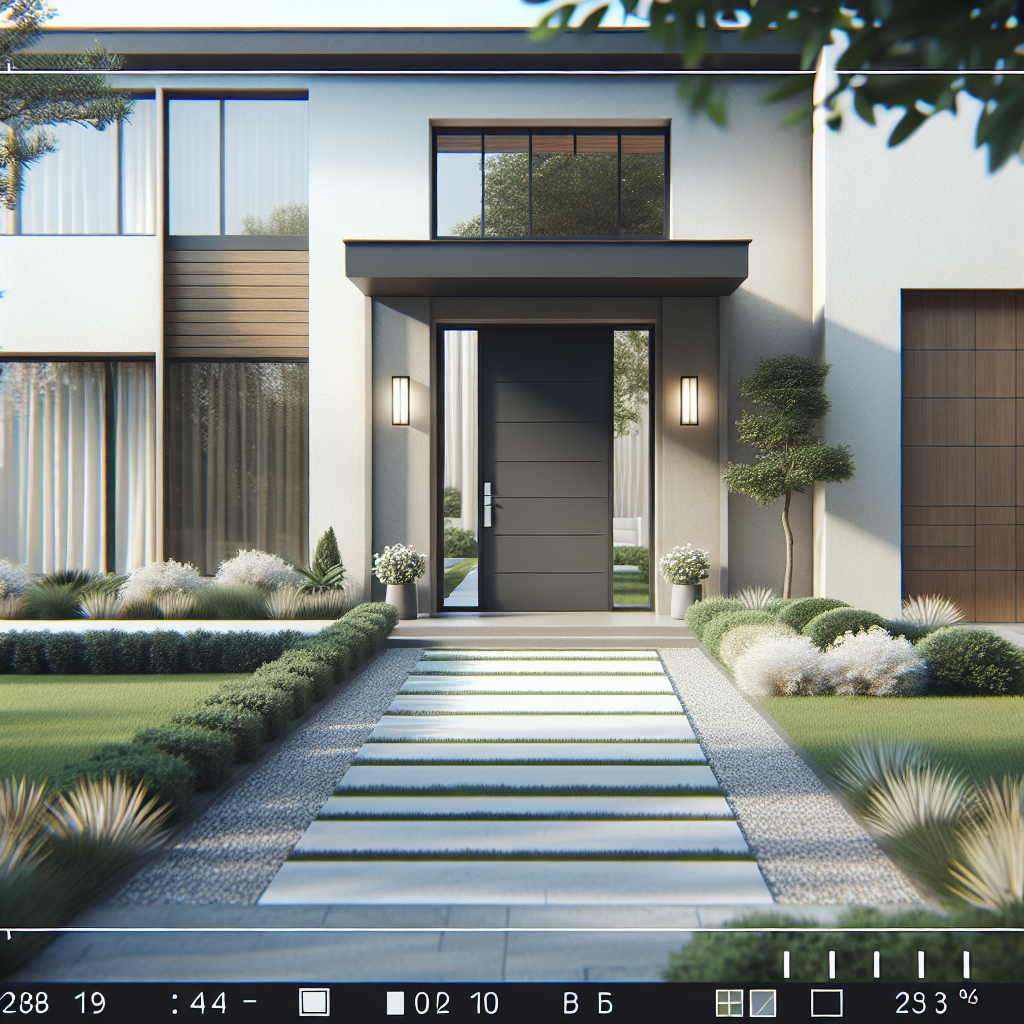
Choosing the right door size affects curb appeal, energy efficiency, and how easily furniture moves in and out. Knowing common measurements helps you plan renovations or new installs without surprises.
This post breaks down typical exterior door measurements, how to measure openings correctly, and practical considerations when choosing a size for different home styles.
Typical measurements and what they mean
Exterior doors come in a few common slab and opening sizes. Manufacturers often sell prehung doors that include the frame, so the size you buy must match the rough opening in your wall.
Understanding the difference between the door slab, the frame, and the rough opening saves time and money. Each measurement serves a different purpose during installation.
Door slab vs. prehung unit
A door slab is just the door itself, without hinges or a frame. A prehung unit includes the jamb, hinges, and sometimes the threshold.
If you replace only the slab, you must match the existing frame. Replacing the entire unit means matching the rough opening.
Rough opening explained
The rough opening is the framed hole in the wall that holds the door unit. It’s usually slightly larger than the prehung unit to allow for shims and insulation.
Contractors commonly add 1/2 to 3/4 inch on width and height to the door’s jamb size when cutting the rough opening.
Common width, height, and thickness options
There are standard sizes that most manufacturers produce regularly. These sizes suit most homes and keep costs lower than custom doors.
Knowing the typical width, height, and thickness options makes it easier to plan framing, hardware placement, and threshold details.
Standard widths
Common single-door widths include 24, 28, 30, 32, and 36 inches. The most common front entry width in many homes is 36 inches because it allows easier passage for large items.
- 24 inches: compact entry or utility doors
- 28–30 inches: small to medium exterior doors
- 32 inches: common in older homes
- 36 inches: modern standard for main entrances
Standard heights
The typical heights for exterior doors are 80 inches and 96 inches. An 80-inch door (6’8″) is common in many houses, while 96-inch doors (8′) are increasingly popular for a grander look.
- 80 inches (6’8″): common and economical
- 84 inches (7′): less common but available
- 96 inches (8′): used in modern and upscale designs
Thickness and insulation
Exterior door thickness tends to be 1 3/4 inches for most solid-core wood or fiberglass doors. Steel doors often share this thickness to match hardware and security needs.
Thicker units or doors with built-in insulation reduce energy loss and provide better sound control.
How to measure correctly and what to check
Accurate measurement prevents costly mistakes. Measure the door opening carefully before ordering or cutting new framing.
Always measure in multiple spots because walls and frames can be out of square or uneven.
Measuring the rough opening
Measure the width between studs or rough framing at three heights: top, middle, and bottom. Use the smallest measurement as your reference.
For height, measure from the framed sill to the top header at left, center, and right. Again, use the smallest number.
Measuring an existing prehung unit
Measure the jamb-to-jamb width and the jamb-to-threshold height. Subtract about 1/2 to 3/4 inch to find the recommended rough opening clearance for shims and insulation.
If the unit includes weatherstripping that adds bulk, factor that into the final width you order.
Checking for plumb and level
Use a level to see if the sill is level and the jambs are plumb. If not, plan for shimming and possible framing adjustments when installing a new unit.
Uneven floors or settled foundations can cause the door to bind if not corrected during installation.
Practical tips when choosing a size
Size isn’t only about measurements; it’s about use. Think about how the door will be used daily and how it affects accessibility, furniture movement, and exterior aesthetics.
Small choices like a wider threshold or sidelights can change the perceived size of the entry without a structural change.
Accessibility considerations
A 36-inch clear width is often necessary for wheelchair access. If accessibility is a priority, prioritize wider widths and threshold ramps where needed.
Door hardware that reduces the required grip or twist makes entries friendlier for all ages.
Moving furniture and appliances
Measure large items you plan to move through the door. If a sofa or appliance barely fits, consider a wider door or a temporary removal of the door slab during move-in.
Double doors or one active leaf in a pair can make handling bulky items far easier.
Architectural style and curb appeal
Taller doors tend to create a grander appearance. If your exterior style is modern or transitional, an 8-foot unit can complement the look.
Historic homes may look best with narrower, historically accurate sizes. Matching proportions matters more than following the latest trend.
Common problems and how to avoid them
Most issues stem from incorrect measurements, failing to account for trim and weather barriers, or ignoring wall conditions like rot or uneven framing.
Planning ahead and inspecting the wall cavity helps avoid surprises like hidden damage or mismatched jamb depths.
Ill-fitting jambs and gaps
Gaps around the jamb can cause drafts and security concerns. Ensure a consistent gap and use proper shimming to keep the jamb square.
Weatherstripping and threshold seals should compress evenly without making the door hard to close.
Threshold and sill problems
Water intrusion often happens at the threshold. Proper flashing and a well-sealed sill pan prevent rot and leaks.
If the existing threshold is damaged, replace it when installing the new unit, even if the jamb looks fine.
Hardware alignment
Moving to a different thickness or a wider door can change hinge and strike placement. Measure hardware locations before ordering to avoid re-drilling or mortising on-site.
Match lockset backset and hinge type to maintain proper function and security.
Conclusion
Knowing common exterior door sizes, how to measure openings, and the practical trade-offs helps you select a door that fits both function and style.
Careful measurement and attention to framing, thresholds, and hardware reduce problems and keep your entry secure and efficient.
Frequently Asked Questions
What is the most common width for a front door?
In many modern homes, 36 inches is the most common width for the main entrance. It balances accessibility and visual proportion while allowing easier movement of furniture.
How much larger should the rough opening be than the door jamb?
Typically the rough opening is 1/2 to 3/4 inch wider and taller than the jamb size. This clearance allows room for shims and insulation around the frame.
Can I replace only the door slab without changing the frame?
Yes. If the frame is in good condition and the new slab matches hinge and strike locations, you can swap the slab without replacing the entire unit.
Are 8-foot doors worth the extra cost?
Eight-foot doors create a more dramatic entrance and can improve natural light when paired with sidelights. They usually cost more and may require taller headers and different hardware.
What thickness should an exterior door be?
Most exterior doors are 1 3/4 inches thick. This thickness works well with common hinges, locks, and weatherproofing options while offering good structural and insulating properties.