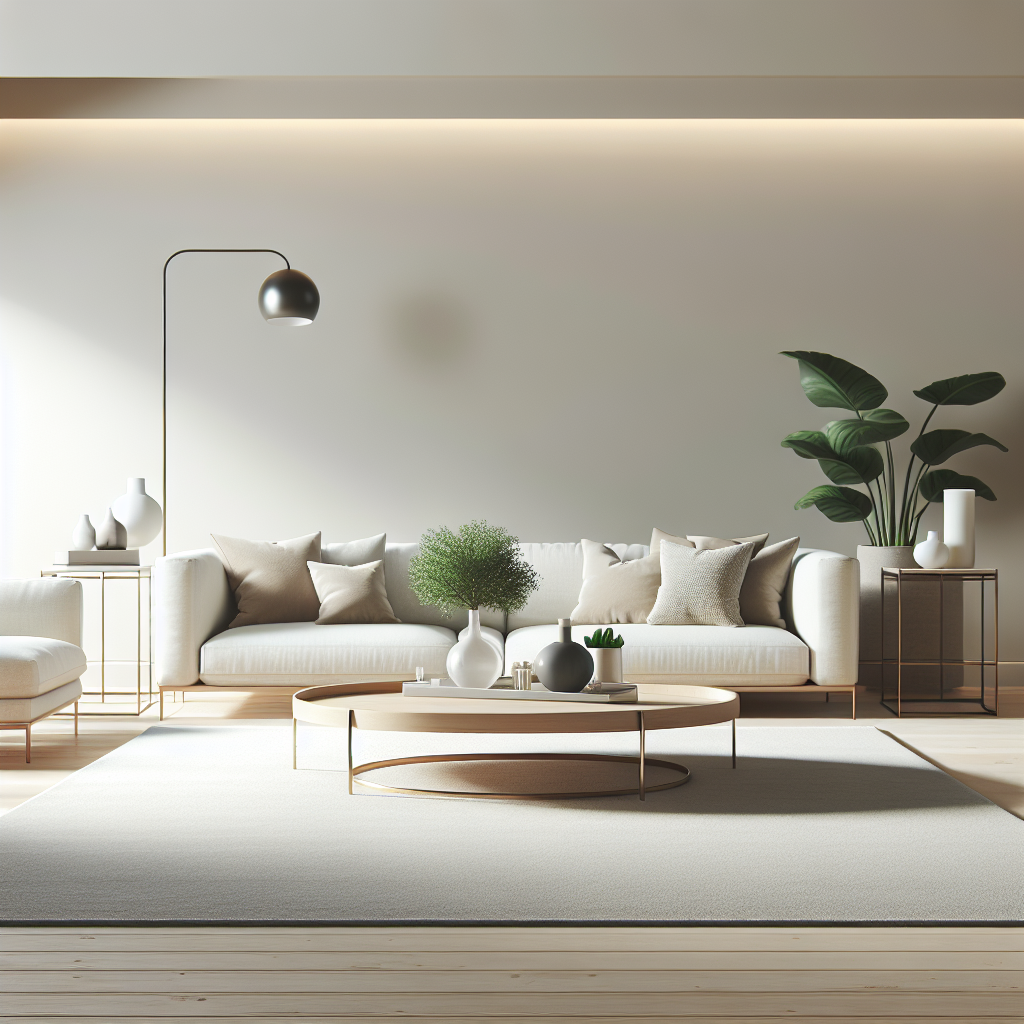
Choosing the right coffee table size changes how a living room feels and flows. The right proportions make seating comfortable, traffic smooth, and the whole space look intentional.
This article breaks down common heights, lengths and shapes, and explains how to measure and position a table so it fits your sofa, rug and daily use. Exact numbers and simple rules make decisions faster.
How to measure before you shop
Before buying, take a few quick measurements: sofa seat height, sofa length, rug size and clearance space. These numbers guide height and length choices and avoid awkward mismatches.
Measure in both inches and centimeters if you prefer metric. Keep a note of seat height (top of cushion), the length of the seating area, and how much room you want to keep between furniture and walkways.
Seat height and coffee table height
Match the table height to the sofa seat height for comfort. A common rule is the table top should be within 1-2 inches (2-5 cm) of the sofa seat height.
Typical sofa seat heights range from 16 to 20 inches (40–50 cm). So coffee tables often fall between 14 and 20 inches (35–50 cm), with 16–18 inches (40–45 cm) being most common for modern sofas.
Length and width basics
Length and width depend on sofa size and room layout. As a quick rule, a coffee table should be about two-thirds the length of the sofa, but there is flexibility based on style and function.
Width should allow comfortable passage around the table. Aim for at least 18 inches (45 cm) from the table to the edge of the sofa to leave room for knees and small items.
Common sizes and shapes explained
Different table shapes change usable surface area and how a room feels. Rectangular tables suit long sofas, while round tables soften corners and improve flow in small spaces.
Below are typical sizes that appear in stores and in custom work. Use them as starting points, not strict rules.
Rectangular tables
Rectangular tables are the most common. They sit in front of a sofa and provide a stable surface for drinks, trays and décor.
- Small: 36–40 inches long × 18–20 inches wide (90–100 cm × 45–50 cm).
- Medium: 40–48 inches long × 20–28 inches wide (100–120 cm × 50–70 cm).
- Large: 50–60 inches long × 28–36 inches wide (125–150 cm × 70–90 cm).
Round and oval tables
Round tables work well when you want soft lines or when traffic flows around a central point. They are also safer in households with children.
- Small round: 28–36 inches diameter (70–90 cm).
- Medium round: 36–42 inches diameter (90–105 cm).
- Oval: similar surface to rectangular but with curved ends — often 36–54 inches long.
Square tables
Square tables suit symmetrical seating arrangements like two sofas facing each other. They can be bulky in smaller living rooms.
- Common sizes: 30–40 inches square (75–100 cm).
- Pairing two smaller squares can create flexible layouts.
Placement, clearance and flow
Where you put a table affects circulation and comfort. Proper spacing keeps walkways clear and seating usable without stretching or bumping knees.
Consider how you enter the room, how people move between furniture pieces, and where you want items like trays or magazines to sit.
Spacing from the sofa
Keep 14–18 inches (35–45 cm) between the sofa and the table edge. This range provides enough room for legs and movement while keeping items reachable.
In small rooms you can go slightly under 14 inches if necessary, but avoid crowding too tightly — it makes the seating feel cramped.
Clearance for walkways
Allow at least 30–36 inches (75–90 cm) for major walkways. This gives comfortable walking space between furniture pieces and around the coffee table.
For narrower routes, 24 inches (60 cm) is the minimum, but expect traffic flow to feel restricted.
Placing on a rug
If you use a rug, center the table on it. The rug should anchor the seating area and usually extends under the front legs of sofas or chairs.
Rule of thumb: aim for 8–12 inches (20–30 cm) of rug showing around the table edges, though larger rugs that include all furniture legs create a cohesive look.
Function, materials and style considerations
Materials and design influence perceived scale and storage options. Lighter materials can make a larger table feel less heavy in a small room.
Think about how you use the table: display, storage, serving, or as a footrest. That use should influence shape, height and surface material.
Materials and perceived size
Glass tops and slim metal legs make a table read smaller and keep sightlines open. Solid wood or stone makes a strong visual statement and suits bigger spaces.
Open-base tables can be easier to pair with stools or trays, while solid bases offer more storage options but can feel bulky.
Multi-functional and storage options
Consider lift-top tables, nested tables, or models with drawers if you need stowaway space. These choices affect height and often require more clearance around the piece.
- Lift-top: adds versatility for working or eating but raises height when used.
- Nested sets: provide extra surface when needed and tuck away neatly.
- Built-in storage: drawers or shelves keep clutter down but may increase weight.
Adjusting sizes to room type
Room function and size change ideal dimensions. A formal living room can handle a larger, heavier table, while a family room benefits from softer edges and resilient materials.
Also consider ceiling height and sightlines. Low tables help maintain open vertical space in rooms with low ceilings.
Small living rooms
Choose smaller diameters for round tables or a narrow rectangular table to keep pathways open. Transparent or leggy designs help reduce visual weight.
Nesting tables are useful because they expand only when needed and free floor space the rest of the time.
Large living rooms
In bigger spaces, scale up the table to match the sofa and other pieces. A long, wide table balances long sofas and fills the negative space better than a tiny piece.
Consider grouping multiple tables or adding ottomans to create flexible seating and surface area.
Practical measurement checklist
Before shopping, confirm a few key numbers. This checklist helps you compare products and visualize fit in your room.
- Sofa seat height (inches and cm).
- Sofa total length and seating length.
- Rug size and placement relative to seating.
- Distance from sofa front to TV or other focal points.
- Walkway widths and door swing areas.
Take a quick sketch with measurements. It makes it easy to test proportions with painter’s tape on the floor before buying.
Conclusion
Choosing coffee table dimensions means balancing comfort, scale and function. Focus on height relative to seating, length relative to the sofa, and clearance for movement.
Use common size ranges as starting points, but adjust for the room’s shape and how you live. Small decisions like a rounded corner or open legs can change how a table feels in the space.
Frequently Asked Questions
What is the standard coffee table height?
Most coffee tables fall between 14 and 20 inches (35–50 cm) high. A good rule is to be within 1–2 inches (2–5 cm) of your sofa seat top for comfort.
How wide should a coffee table be compared to the sofa?
A typical approach is two-thirds the sofa length. For a 84-inch sofa, a table around 56 inches long works well, though you can go slightly shorter for more walkway space.
Can a coffee table be taller than the sofa seat?
Taller tables can be uncomfortable for reaching items. If a table is taller than the seat, use it for decorative items rather than everyday use, or place it where people won’t need to reach frequently.
What size coffee table for a small living room?
Choose compact shapes: a round 28–36 inch diameter or a narrow rectangular 36–40 inch long table. Transparent materials or open-leg designs help reduce visual bulk.
How far should a coffee table sit from a fireplace or TV?
Keep at least 18–24 inches (45–60 cm) from a fireplace for safety and heat clearance. For TV viewing, ensure the table doesn’t obstruct sightlines — position it so the seating distance to screen follows recommended viewing ratios.
Is it okay to use an ottoman instead of a coffee table?
Yes. Ottomans can replace coffee tables and add seating. Use a tray on top for stability and to hold cups. Make sure height matches the sofa seat for comfort and that size fits the room’s scale.
How to decide between round and rectangular shapes?
Pick round for better traffic flow and softer lines, rectangular for long sofas and traditional layouts. Consider corners, safety and how many people will use the surface at once.