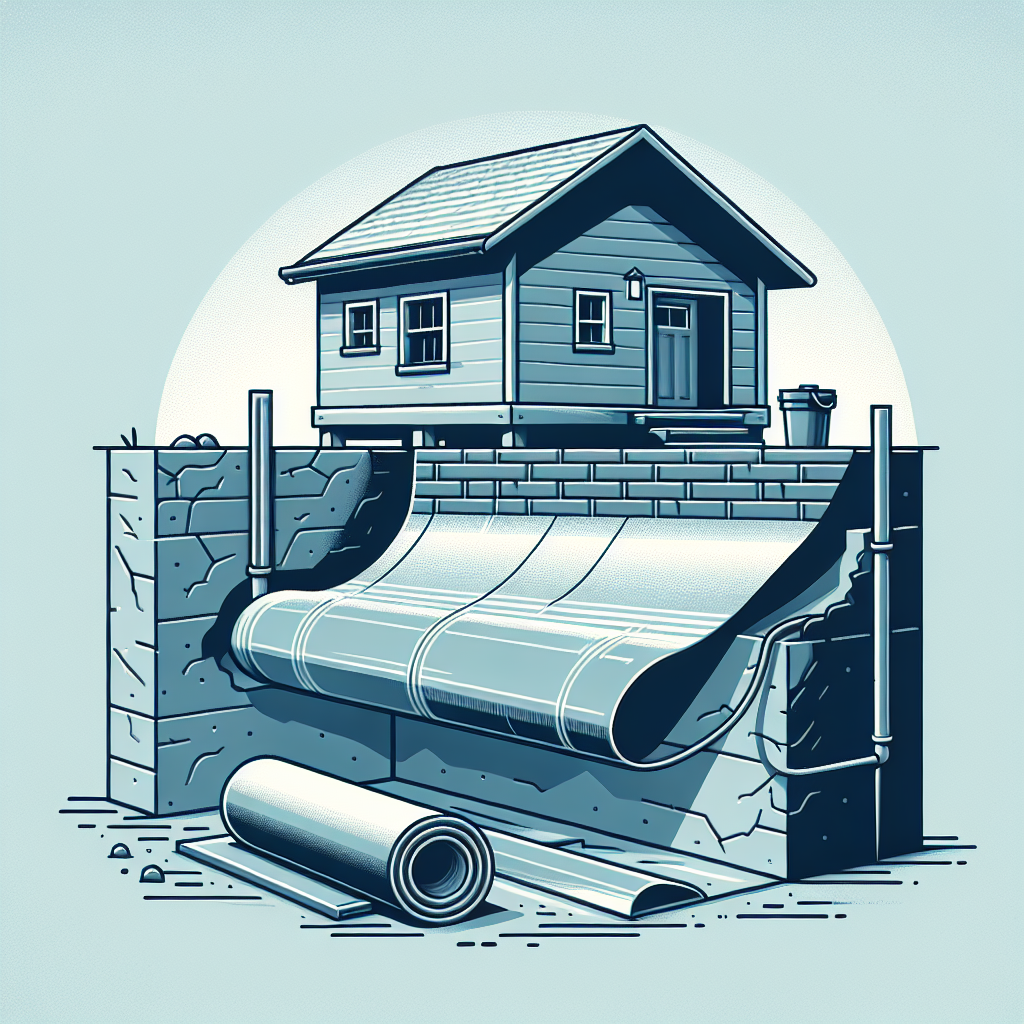
Small damp spots along a foundation can become big, costly problems if left unchecked. This article lays out clear, practical ways to identify why water gets in and how to fix it with durable methods you can trust.
The focus here is on straightforward explanations, common repair choices, expected costs, and the maintenance that keeps water out over the long run. Read on to learn the practical steps that help protect your home.
Common causes of foundation leaks
Understanding the root cause makes repairs last longer. Several issues often work together to let water reach the foundation or basement walls.
Soil, grading, plumbing and the foundation material itself are key players. Addressing just one area without checking the others often leads to repeat problems.
Soil and grading issues
Poor grading near the house directs surface water toward the foundation. Compacted soil or planters next to the wall can hold water against the foundation for long periods.
Seasonal wet cycles make the problem worse: soil expands when wet and shrinks when dry, stressing joints and small cracks.
Faulty or clogged gutters and downspouts
Blocked gutters overflow and pour water down the exterior wall. Downspouts that end near the foundation concentrate water where it can seep in.
Even short daily overflows can saturate soil around the foundation and increase hydrostatic pressure against walls.
Cracks, cold joints, and construction defects
Hairline cracks, settlement gaps, or poorly sealed wall joints allow water to follow the path of least resistance. Some cracks only leak under heavy rain; others leak all the time.
Older foundations may have mortar gaps or non-waterproof block cores that wick water inward unless blocked or sealed.
Detecting and assessing leaks
Before choosing a fix, assess where water comes from and when leaks occur. A good inspection narrows down likely causes and avoids wasted effort.
Simple tests and observations often reveal patterns that point to the right solution.
Visual inspection steps
Walk around the exterior after a heavy rain. Note wet spots, pooling, downspout paths, and soil slopes. Inside, mark damp areas and track whether they appear only after storms or continuously.
Check the foundation at floor level and a few feet up the wall for staining, efflorescence, or peeling paint—signs of past water migration.
Simple diagnostic tests
Use a garden hose to simulate heavy rain on specific wall sections while someone watches inside for water entry. This helps narrow down the leak location.
For suspected plumbing leaks, monitor water meter readings with all fixtures off. A steady slow change often means hidden plumbing rather than foundation seepage.
Repair methods: interior and exterior
Fixes fall into two broad categories: those applied from inside and those from outside. Each has pros and cons, and the best choice depends on cause, budget, and exterior access.
Below are common techniques, when to use them, and what to expect from each approach.
Interior waterproofing options
Interior methods stop water after it enters and manage it to a drain or sump. They are less disruptive and often cheaper up front.
- Crack injection: Epoxy or polyurethane injected into cracks fills gaps and prevents water pathing. Polyurethane expands to seal active leaks; epoxy is stronger but better for structural repairs.
- Interior sealants: Cementitious or polymer-based coatings on basement walls reduce moisture penetration. These are best for hairline or low-pressure issues.
- Drain channels and sump pumps: When water still reaches the interior, install a perimeter channel to collect water into a sump pump. This controls water without major exterior excavation.
Interior methods are often faster and suitable when exterior access is limited or landscape is complex.
Exterior waterproofing approaches
Exterior work targets the source: stopping water before it reaches the foundation. This often means digging out to expose the foundation wall.
Exterior solutions tend to be more permanent but costlier and more disruptive.
- Exterior membrane or coating: Applying a thick bituminous or polymer membrane on the outside blocks water. Combine with protection board to prevent damage from backfill.
- Drainage board and perimeter drains: A plastic drainage board paired with a french drain at the footing moves water away from the wall and lowers hydrostatic pressure.
- Fixing cracks from outside: Routing and sealing cracks, or installing external patching, addresses the entry point at the source.
When to choose interior vs exterior
Choose exterior work when water comes under pressure or when grading and soil are the main causes. Interior methods suit low-pressure leaks or when budget and landscape limits matter.
Often a combination gives the best long-term result: exterior to stop most water, interior drainage to handle what remains.
Materials, costs, and realistic expectations
Material choices affect durability and price. Knowing typical costs and life spans helps set realistic expectations for your repair plan.
Prices vary widely by region and job size. Below are common materials and ballpark notes to weigh benefits.
Common materials
- Polyurethane injection: Good for active leaks, flexible, resists water movement. Often used to seal cracks quickly.
- Epoxy injection: Best when structural strength is needed; does not expand, so not ideal for actively leaking cracks.
- Bituminous membranes: Proven waterproofing layer for exterior walls; needs proper prep and protection board.
- Drain pipe and gravel: Perimeter drains with clean gravel and perforated pipe provide reliable subsurface water removal.
Cost range and lifespan
Minor interior fixes like crack injections or sealants can be a few hundred to a few thousand dollars. Interior drainage with a sump pump typically ranges higher depending on complexity.
Exterior excavation and membrane systems commonly cost several thousand to tens of thousands of dollars, but they often deliver the most permanent protection when soil and grading are the problem.
Maintenance and long-term prevention
Repairs succeed when followed by consistent maintenance. Small yearly checks prevent small problems from growing into major repairs.
Routine tasks are low-cost and often extend the life of a repair for many years.
Simple yearly checklist
- Clear gutters and downspouts of debris twice a year.
- Ensure downspouts discharge at least 3–6 feet from the foundation or into an extension that sends water away.
- Check grading and add soil away from the foundation where needed to maintain a gentle slope.
- Inspect basement walls for new stains, paint blistering, or musty odors.
Landscaping and irrigation tips
Keep garden beds and mulch away from the foundation edge; they retain moisture. Choose drip irrigation or targeted watering to avoid over-saturating the soil near the house.
Large trees near the foundation can affect soil moisture and root pressure. Monitor tree roots and consider professional advice if you suspect root-related movement.
Conclusion
Stopping water from entering the foundation starts with a clear inspection and a plan that addresses the source. Small fixes can work short term, but durable results often require addressing grading and drainage.
Combine targeted repairs with regular maintenance and you will reduce risk, control costs, and protect living spaces from moisture damage.
Frequently Asked Questions
The questions below cover common concerns homeowners have when dealing with foundation water. Short answers focus on practical steps and realistic outcomes.
How can I tell if the leak is from outside or a plumbing issue?
Turn off all water in the home and watch the meter for changes. If the meter is steady but the wall still shows moisture, the issue is likely external. A hose test on the exterior wall during calm weather can also indicate whether rainwater is the source.
Are interior fixes enough to stop recurring leaks?
Interior fixes stop water that already entered and can be effective for low-pressure or isolated leaks. If the root cause is poor grading or high water tables, exterior work is often needed to prevent recurrence.
Will sealing basement walls prevent mold?
Sealing walls reduces moisture and lowers the chance of mold, but it does not remove existing mold. Proper cleanup, dehumidification, and addressing water sources are needed to fully control mold growth.
How long do exterior waterproofing systems last?
A quality exterior membrane with proper drainage and backfill can last decades. Lifespan depends on installation quality, soil chemistry, and physical stresses. Regular checks after heavy storms help catch issues early.
Is a sump pump necessary?
If groundwater or collected water reaches the interior, a sump pump offers reliable removal. Pumps need maintenance—replace switches and check operation periodically to ensure they work when needed.