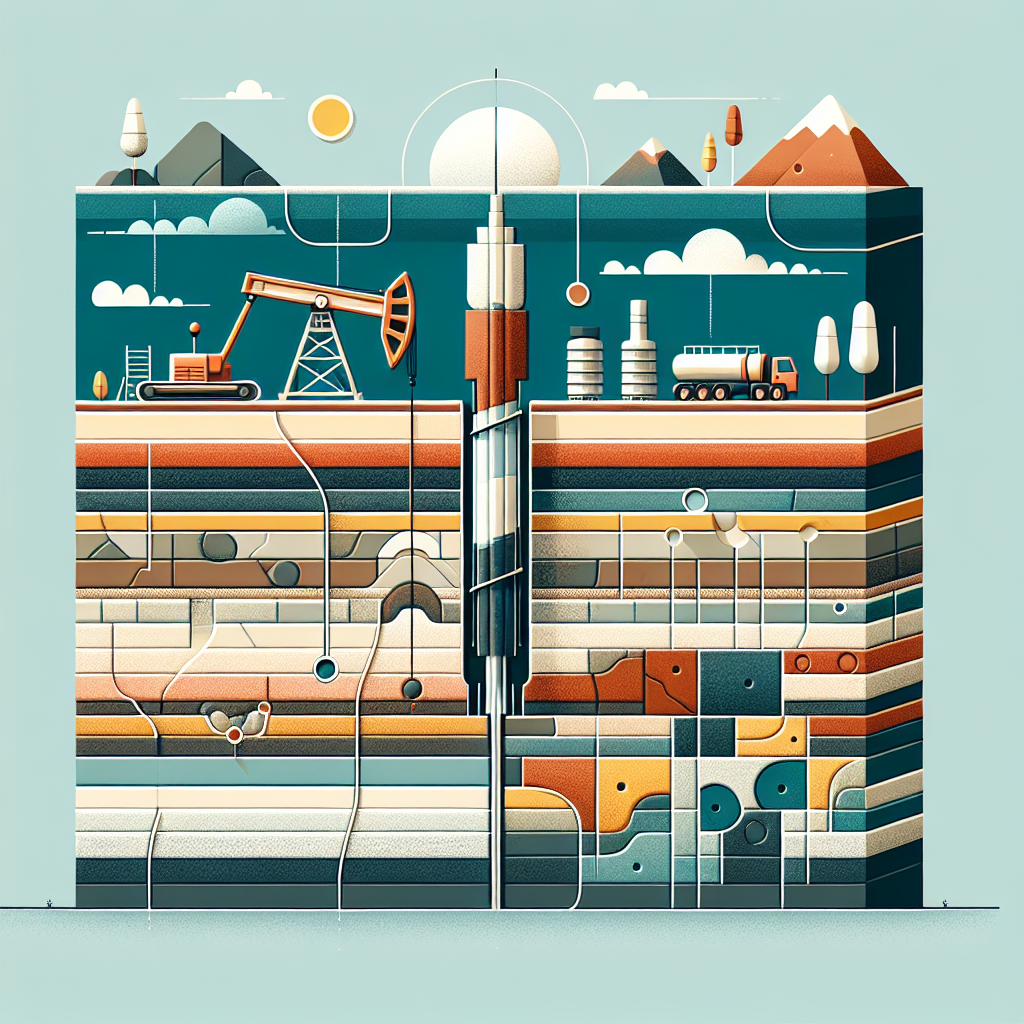
Understanding what lies beneath the surface reduces uncertainty and helps the right decisions on any construction site. Accurate subsurface information prevents unexpected costs, unsafe designs, and wasted effort.
This article breaks down common field and lab techniques, how results are interpreted, and what typical reports contain. It focuses on practical steps that reveal soil behavior and support safe foundations and earthworks.
Common field techniques and when to use them
Field work identifies soil layers, groundwater levels, and basic strength properties. The choice of method depends on ground access, depth required, and the level of detail you need.
Boreholes and soil logging
Boreholes are the backbone of most subsurface work. A skilled operator drills to target depths and collects disturbed and undisturbed samples.
- Bore logs record strata, sample depths, and groundwater observations.
- Undisturbed samples are vital for consolidation and triaxial tests.
Standard Penetration Test (SPT)
The SPT provides a quick measure of relative density and resistance in granular soils. It is done inside boreholes using a split-spoon sampler driven by a hammer.
- Results are given as blow counts (N-values) that correlate with density and bearing capacity.
- SPT is cost-effective but has limitations in very soft clays or gravelly soils.
Cone Penetration Test (CPT)
CPT pushes a cone into the ground and records continuous resistance and pore pressure. It gives a high-resolution profile of soil resistance with depth.
- CPT is excellent for mapping stratigraphy and estimating settlement and lateral capacity.
- It works best on level, accessible sites and may struggle in very stiff layers or cobbles.
Trial pits and test trenches
Open excavations allow direct visual inspection and sampling of shallow soils. They are useful for shallow foundations and landscaping projects.
- Trial pits reveal real layering, roots, old fills, and contamination signs.
- Safety and shoring are important when pits are deep or the ground is unstable.
In-situ shear and vane tests
Vane shear tests measure undrained shear strength in cohesive soils on-site. Portable shear devices provide quick strength estimates without disturbance.
- Useful in soft clays where remolding can change strength.
- Results feed into stability and bearing calculations for short-term loading.
Laboratory tests and what they tell you
Samples from the field are tested under controlled conditions to quantify properties that influence design. Lab tests reduce guesswork and refine calculations for settlement and strength.
Grain size distribution
Sieving and hydrometer tests classify soils by particle size. The results separate sands, silts, and clays and indicate permeability and compaction behavior.
- Sandy soils drain well and show different bearing traits than silty or clayey soils.
- Fines content affects frost susceptibility and erosion risk.
Atterberg limits
Liquid and plastic limits define the consistency of fine-grained soils. These numbers help predict shrink-swell potential and workability.
- High plasticity clays can lead to large volume changes with moisture fluctuations.
- Limits are used in soil classification systems to guide material handling and foundation choice.
Consolidation testing
Consolidation tests measure how a soil layer compresses over time under load. They are critical when long-term settlement could affect structures.
- Primary consolidation parameters help estimate settlement magnitude and rate.
- Test results inform choices between shallow and deep foundations.
Triaxial and direct shear tests
These tests quantify shear strength under controlled stress paths. They are used to assess slope stability, bearing capacity, and earth pressure designs.
- Triaxial tests allow various drainage conditions to be simulated.
- Direct shear tests are simpler and useful for interface and granular material testing.
Proctor compaction and CBR
Compaction tests define the moisture-content and density relationship for earthworks. California Bearing Ratio (CBR) tests assess subgrade strength for pavements.
- Compaction targets ensure fill layers meet designed stiffness.
- CBR helps size pavement thickness and evaluate load-bearing performance of subsoils.
Interpreting data and writing effective reports
A clear report translates raw numbers into practical recommendations. It should explain assumptions, limits of data, and the consequences of variability in ground conditions.
Key items a report should include
Stick to clear, evidence-backed conclusions. Useful reports balance technical detail with actionable statements that designers can apply.
- Site description and drilling locations with depths and sample types.
- Field logs and groundwater observations over time.
- Lab results, interpreted parameters, and classification charts.
- Recommended bearing pressures, settlement estimates, and foundation type options.
- Notes on uncertainties, limitations, and suggestions for further testing if needed.
Using classification systems
Standard systems help communicate soil type and expected behavior. A common framework ensures engineers and contractors share the same baseline information.
- Describe soils using texture, plasticity, and strength terms.
- Match design parameters to classification—e.g., sands vs clays behave very differently under load.
Dealing with groundwater and contamination
Groundwater influences strength, buoyancy, and construction methods. Contamination changes handling, disposal, and possible remediation needs.
- Report seasonal groundwater levels and any perched water tables.
- Flag materials that require special handling and recommend sampling for contaminants when suspected.
Practical tips to reduce risk on site
Smart planning and targeted testing often save time and money. A balanced approach focuses effort where uncertainty is greatest.
Start with a desktop review
Maps, historical records, and previous investigations provide context before field deployment. This step reduces blind spots and helps place boring locations.
- Look for old maps, landfill areas, and nearby excavations.
- Cross-check utility records to avoid surprises during drilling.
Choose test locations strategically
Place borings where loads change, where soil appears variable, and near planned foundations. Fewer, well-placed tests often beat many random ones.
- Increase density of tests near obvious transitions, slopes, or fills.
- Consider deeper investigations under heavy loads or near compressible layers.
Understand limitations and plan contingencies
No investigation eliminates all uncertainty. Include contingency clauses in project planning to handle unexpected ground conditions.
- Note assumptions and specify additional tests if conditions deviate from expectations.
- Plan for alternative foundation types where deeper weak layers are found.
Conclusion
Field tests and lab analyses work together to reveal subsurface behavior. Choosing the right mix of methods depends on depth, site constraints, and project risk tolerance.
Clear reporting and sensible testing strategies reduce surprises and help design safe, cost-effective foundations and earthworks. Thoughtful investigation is an investment that cuts long-term project costs.
Frequently Asked Questions
Below are common questions about subsurface studies and concise answers to help clarify typical concerns.
How deep should investigations go?
Depth depends on foundation type and loading. For shallow foundations, probe zones typically extend to about twice the foundation width. Deep foundations or heavy structures often require investigations to the depth of anticipated influence, sometimes many meters deeper.
Which test is best for soft clays?
Vane shear tests and undisturbed sampling for consolidation and triaxial testing are useful. In soft clays, avoid methods that significantly disturb samples when critical strength parameters are needed.
Can geophysical methods replace drilling?
Geophysics provides continuous profiles and highlights anomalies, but it rarely replaces direct sampling. Use it to complement borings when access and budget allow.
What is the role of groundwater monitoring?
Monitoring shows seasonal changes that affect buoyancy, effective stress, and excavation safety. Long-term readings help plan dewatering and assess liquefaction risk.
When is more testing needed after initial results?
If results are highly variable, if unexpected weak layers appear, or if design changes increase load, further targeted testing is wise. Additional work reduces the chance of costly on-site surprises.