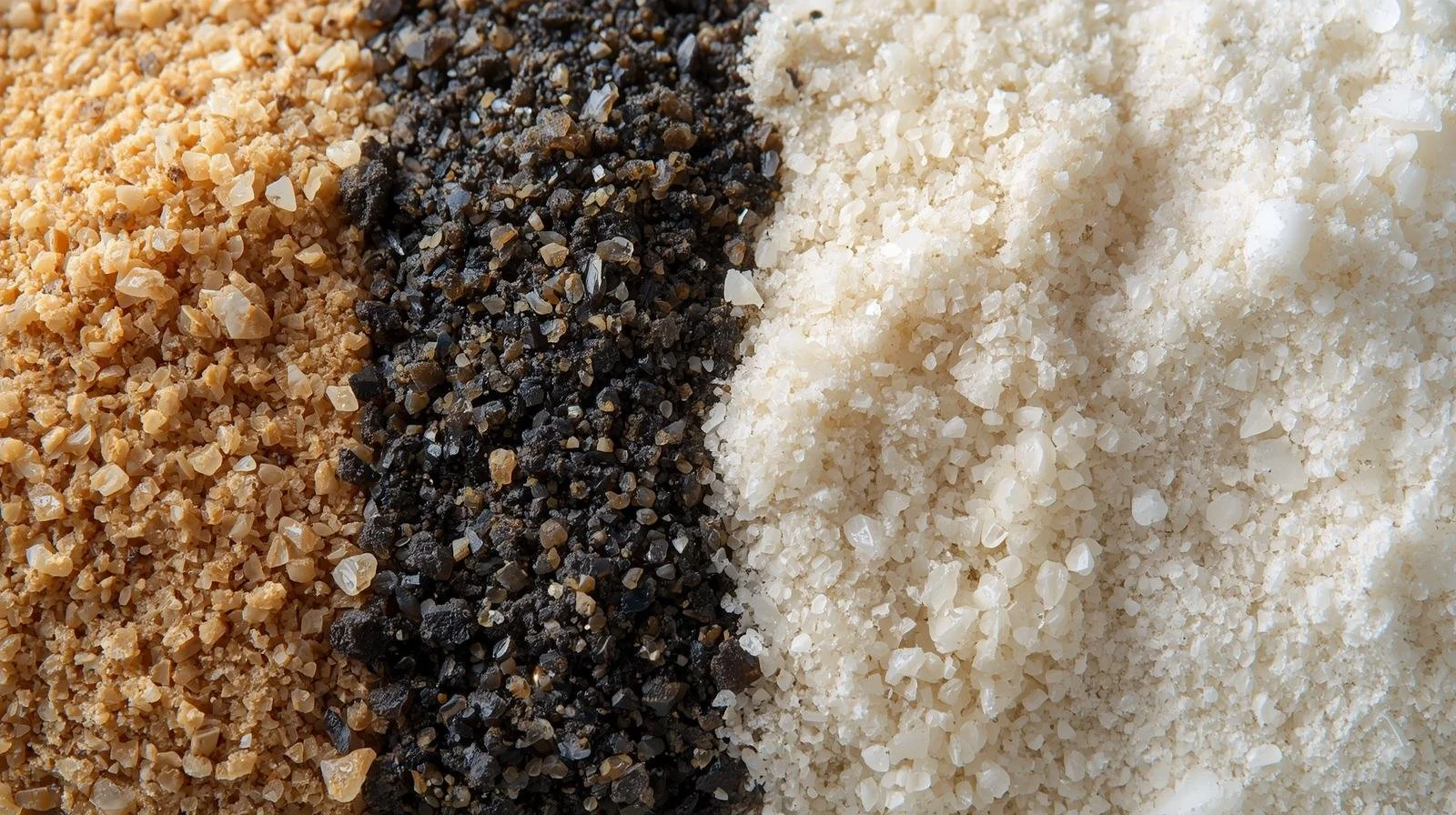
Sand is one of the most essential materials in construction and civil engineering. It is a granular material composed of finely divided rock and mineral particles, typically ranging in size from 0.075 mm to 4.75 mm. Sand plays a critical role in making concrete, mortar, plaster, and various civil works. However, not all sand is the same. Depending on its origin, grain size, texture, and composition, there are different types of sand used for specific purposes. Understanding the types of sand helps engineers, builders, and homeowners select the right material for durability, workability, and cost efficiency.
What Is Sand?
Sand is a naturally occurring granular material composed mainly of silica (SiO₂), derived from the weathering and disintegration of rocks. It is classified as a fine aggregate in construction. The quality and characteristics of sand vary based on its source—such as riverbeds, deserts, or crushed stones. Sand is vital in construction because it provides strength, stability, and workability to concrete and mortar.
Classification of Sand
Sand can be classified based on origin, grain size, and purpose of use.
1. Based on Origin or Source
The most common way to classify sand is by its source of origin.
1.1 River Sand
River sand is naturally obtained from riverbeds and banks. It is fine, smooth, and rounded due to continuous water flow that wears down the edges of particles. Properties: Clean and free from silt or clay, fine and smooth texture, light brown or whitish color, high binding strength. Uses: Ideal for plastering, RCC work, and brick masonry. Advantages: Excellent workability and strength. Disadvantages: Scarcity due to environmental restrictions and high cost in some areas.
1.2 Pit Sand
Pit sand is obtained by digging pits in the ground, usually from 2 to 3 meters deep. It is sharp, angular, and coarse, making it ideal for concrete. Properties: Free from salt, reddish-orange color due to iron oxide, rough texture for strong bonding. Uses: Suitable for concrete and masonry mortar. Advantages: Strong bonding capability and better interlocking properties. Disadvantages: Needs proper screening and washing before use.
1.3 Sea Sand
Sea sand is collected from seashores or coastal regions. It contains salt and organic impurities that can corrode reinforcement if not properly treated. Properties: Fine, rounded grains, light brown or grayish color, high chloride content. Uses: Used in backfilling, road works, and after desalination, in concrete. Advantages: Easily available in coastal areas. Disadvantages: Requires washing to remove salt; not suitable for RCC without treatment.
1.4 Crushed Stone Sand (M-Sand)
Manufactured sand (M-Sand) is produced by crushing hard stones or granite into fine particles. It is a popular alternative to river sand due to environmental bans on sand mining. Properties: Angular particles, grayish color, consistent grading, no silt or organic matter. Uses: Concrete production, brickwork, plastering (when finely graded). Advantages: Economical, uniform quality, eco-friendly. Disadvantages: Slightly less workable due to angular texture.
1.5 Desert Sand
Desert sand is found in deserts and arid regions. Its grains are fine, smooth, and rounded, which makes it unsuitable for construction. Properties: Very fine particles, round shape, poor interlocking ability. Uses: Limited use in construction; mostly for landscaping or filling. Disadvantages: Cannot be used for concrete due to lack of cohesion.
1.6 Silica Sand
Silica sand is composed mainly of pure quartz (SiO₂). It is chemically inert and highly durable. Properties: Hard, white or colorless grains, high melting point, uniform size. Uses: Glass manufacturing, foundry casting, and chemical production; in construction for flooring and finishing. Advantages: High purity and durability. Disadvantages: Costly and limited availability.
1.7 Black Sand
Black sand consists of dark-colored minerals like magnetite, ilmenite, and volcanic rock fragments. Properties: Dark gray to black color, high iron content, magnetic nature. Uses: Decorative purposes, landscaping, and as filler material. Advantages: Aesthetic appeal and unique texture.
2. Based on Grain Size (as per IS 383:1970)
According to the Indian Standard classification, sand is categorized by particle size.
| Type of Sand | Grain Size (mm) | Description |
|---|---|---|
| Fine Sand | 0.075 – 0.425 | Smooth, used for plastering |
| Medium Sand | 0.425 – 2.0 | Used in brickwork and masonry |
| Coarse Sand | 2.0 – 4.75 | Used for concrete and foundations |
3. Based on Application or Use
Sand is also classified according to its intended construction purpose.
3.1 Concrete Sand
Used for making RCC (Reinforced Cement Concrete) and PCC (Plain Cement Concrete). It is coarse and free from impurities to provide high compressive strength.
3.2 Plastering Sand
Fine sand used for plastering walls to achieve a smooth surface finish. It has uniform particle size and is free from dust.
3.3 Bricklaying Sand
Medium-grained sand used in mortar for brickwork and blockwork. It provides good workability and bonding.
3.4 Filling Sand
Used for leveling and filling low-lying areas before construction. It can be of lower quality as strength is not critical.
3.5 Filter Sand
Specially graded sand used in water filtration systems. It has high silica content and uniform particle size for effective filtration.
Comparison of Different Types of Sand
| Type | Texture | Color | Main Use | Advantages | Disadvantages |
|---|---|---|---|---|---|
| River Sand | Smooth | Whitish-brown | RCC, plastering | High quality, good strength | Costly and scarce |
| Pit Sand | Coarse | Reddish | Concrete | Excellent binding | Needs washing |
| Sea Sand | Fine | Grayish | Backfilling | Readily available | Contains salt |
| M-Sand | Angular | Gray | Concrete, brickwork | Consistent, eco-friendly | Less workable |
| Desert Sand | Very fine | Pale | Filling | Easily available | Weak bonding |
| Silica Sand | Hard | White | Glass, flooring | Durable and pure | Expensive |
| Black Sand | Coarse | Dark | Decorative | Aesthetic | Limited structural use |
Advantages of Using the Right Type of Sand
Using the correct sand type improves strength, workability, and finish quality in construction. It ensures better cohesion in concrete, reduces cracks, enhances durability, and provides cost efficiency. For example, river sand gives smooth finishes, while M-sand offers strength and eco-friendliness.
Precautions While Using Sand in Construction
- Always check for silt and clay content (should not exceed 8% as per IS 2386).
- Ensure sand is well-graded and clean before use.
- Avoid sea sand unless properly desalinated.
- Test sand for impurities and grain size distribution.
- Store sand in a dry area to prevent contamination.
FAQs
Which type of sand is best for concrete? Coarse river sand or M-sand is best for concrete because of high strength and rough texture for good bonding. Which sand is used for plastering? Fine river sand or manufactured plaster sand provides a smooth surface finish. Can sea sand be used for construction? Yes, but only after desalination and washing to remove chloride content. What is M-sand? M-sand (Manufactured Sand) is crushed stone sand used as a substitute for natural river sand. Which type of sand is cheapest? Pit sand and filling sand are usually cheaper and locally available.
Conclusion
Different types of sand serve various roles in construction, from strong concrete to smooth plaster finishes. Understanding the properties and applications of each type helps ensure the right material is chosen for structural strength, durability, and sustainability. While river sand remains the gold standard, M-sand has become a reliable and eco-friendly alternative in modern construction. The correct sand selection ensures long-lasting and high-quality construction performance.