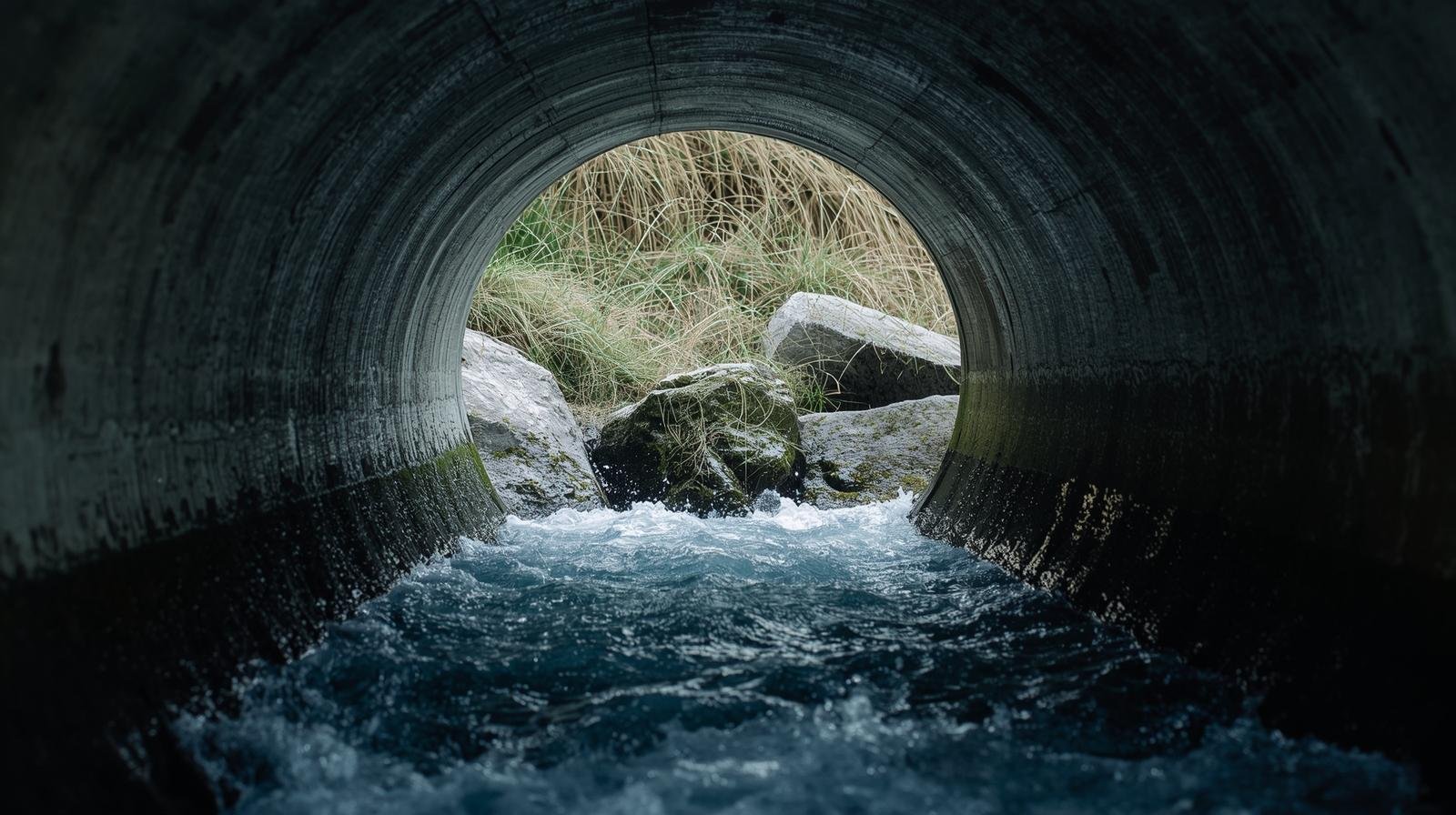
Culverts are essential structures in civil engineering and infrastructure, yet many people are unaware of their significance. A culvert is a tunnel-like structure that allows water to pass under a road, railway, trail, or similar obstruction. Its primary function is to channel water efficiently, prevent flooding, and maintain the integrity of transport routes. In this guide, we will explore the types, uses, design considerations, and maintenance of culverts, providing comprehensive insights for engineers, planners, and students alike.
Understanding Culverts and Their Importance
Culverts play a vital role in water management and infrastructure. By directing water under roads or pathways, they prevent erosion, structural damage, and waterlogging. Culverts also ensure smooth transportation by maintaining stable surfaces and reducing the risk of accidents caused by flooding. They can be constructed from various materials like concrete, steel, or plastic, depending on the site conditions, water flow, and load requirements.
Key Functions of Culverts
- Water Flow Management: Direct surface water safely under roads and embankments.
- Flood Prevention: Reduce the risk of road overtopping during heavy rain.
- Erosion Control: Protect surrounding soil from water-induced erosion.
- Infrastructure Longevity: Increase the lifespan of roads, bridges, and railways.
Types of Culverts
Culverts come in various shapes, materials, and sizes, designed to suit different hydraulic and structural requirements. Choosing the right type is crucial for safety and durability.
1. Box Culverts
Box culverts are rectangular or square in shape and are typically made from reinforced concrete. They are highly durable and suitable for areas with heavy water flow. Box culverts are often used under highways, railway tracks, and urban roads.
Advantages of Box Culverts:
- High structural strength
- Long lifespan
- Suitable for wide roads
2. Pipe Culverts
Pipe culverts are cylindrical and made from materials like concrete, steel, or plastic. They are commonly used in rural areas and smaller water channels.
Advantages of Pipe Culverts:
- Easy installation
- Low maintenance
- Cost-effective for small streams
3. Arch Culverts
Arch culverts are semi-circular and designed to mimic natural streambeds. They are ideal for preserving aquatic life and maintaining natural water flow patterns.
Advantages of Arch Culverts:
- Eco-friendly design
- High load-bearing capacity
- Allows aquatic passage
4. Headwall and Wingwall Culverts
These culverts include reinforced structures at the inlet and outlet to control water flow and prevent soil erosion. Headwalls and wingwalls improve the efficiency and lifespan of culverts, especially in areas with high water velocity.
Materials Used in Culvert Construction
The choice of material depends on the water flow, soil type, load-bearing requirements, and environmental considerations.
| Material | Advantages | Typical Use |
|---|---|---|
| Concrete | Durable, strong, long lifespan | Highways, urban areas |
| Steel | Flexible, high strength | Railways, heavy-load areas |
| Plastic (HDPE) | Lightweight, corrosion-resistant | Rural roads, small channels |
| Masonry/Stone | Natural aesthetics, low cost | Low-traffic rural areas |
Design Considerations for Culverts
Designing a culvert requires careful attention to hydraulic, structural, and environmental factors. Proper design ensures efficient water flow and long-term durability.
Hydraulic Design
Hydraulic design involves calculating water flow, velocity, and capacity. Engineers must consider peak storm flows, sediment transport, and debris accumulation to prevent blockages.
Structural Design
Culverts must withstand traffic loads, soil pressure, and environmental conditions. Reinforced concrete or steel structures are often used for high-load areas, while plastic pipes may suffice for lighter applications.
Environmental Considerations
Culverts should minimize ecological disruption, allowing fish and wildlife to pass freely. Maintaining natural water flow patterns reduces habitat fragmentation.
Installation Process of a Culvert
Installing a culvert involves several critical steps:
- Site Survey: Assess water flow, soil type, and surrounding infrastructure.
- Excavation: Prepare the channel for the culvert and ensure proper alignment.
- Base Preparation: Lay a strong foundation using gravel or concrete.
- Placement: Position the culvert carefully, ensuring proper slope for water flow.
- Backfilling: Secure the culvert with soil, compacting it to prevent settlement.
- Inlet and Outlet Treatment: Construct headwalls or wingwalls to control erosion.
Maintenance and Inspection
Regular maintenance extends the life of culverts and prevents structural failures. Key maintenance activities include:
- Debris Removal: Clear leaves, branches, and sediment.
- Structural Inspection: Check for cracks, corrosion, or settlement.
- Hydraulic Assessment: Ensure water flows freely and there are no blockages.
Common Problems
- Clogging: Debris accumulation can cause water overflow.
- Erosion: Water scouring around culvert ends weakens the structure.
- Structural Damage: Heavy loads or soil movement may crack or deform culverts.
Applications of Culverts
Culverts are widely used in:
- Highways and Roads: To allow rivers and streams to pass safely under transportation routes.
- Railways: To maintain uninterrupted train operations.
- Urban Drainage Systems: For stormwater management in cities.
- Agricultural Land: To prevent waterlogging and maintain irrigation channels.
FAQs About Culverts
Q1: What is the main difference between a culvert and a bridge?
A culvert allows water to flow under a road without a significant open span, while a bridge spans an obstacle like a river or valley, often with open space underneath.
Q2: How long do culverts last?
The lifespan depends on material and maintenance. Concrete culverts can last 50–100 years, while plastic or steel culverts may last 30–50 years with proper care.
Q3: Can culverts handle heavy rainfall?
Yes, when properly designed to handle peak flow rates and equipped with adequate slope and drainage.
Q4: Are culverts environmentally friendly?
Modern culvert designs like arch culverts allow aquatic life to pass, minimizing ecological disruption.
Q5: How often should culverts be inspected?
Inspection is recommended at least once a year, especially before and after the rainy season.
Conclusion
Culverts are a critical component of infrastructure, enabling safe transportation and effective water management. Understanding their types, materials, design principles, and maintenance ensures they perform efficiently over time. Whether in highways, railways, or urban drainage systems, well-designed culverts protect property, prevent flooding, and preserve natural habitats. Implementing proper engineering practices and timely inspections guarantees the longevity and functionality of these essential structures.