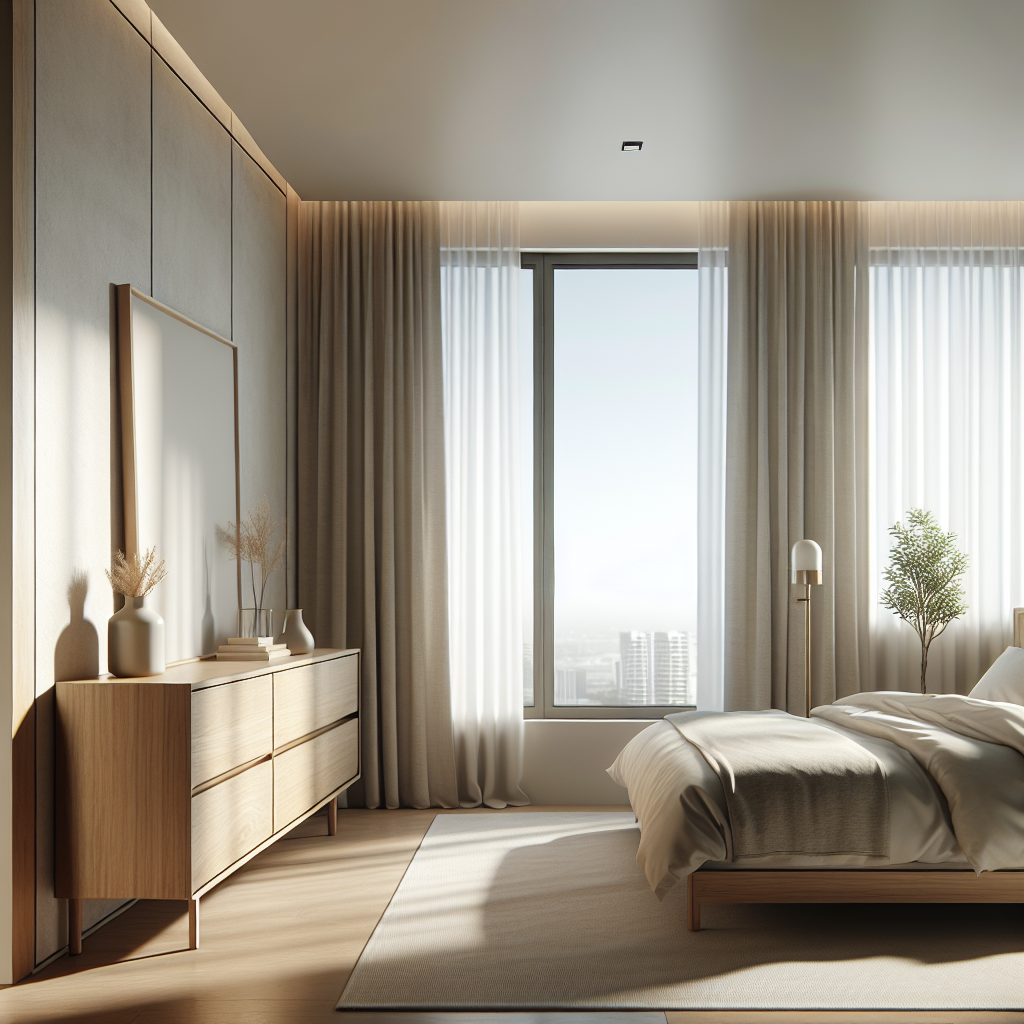
Picking the right dresser can change how a bedroom feels and functions. Size affects storage, traffic flow, and the overall balance of the room.
This article breaks down common sizes, how to measure, and what to consider so the piece fits both the space and your needs.
Typical dresser sizes and what they mean
Dressers commonly come in a few predictable shapes and proportions. Knowing typical widths, heights, and depths helps you visualize choices before shopping.
Low, wide dressers
Low, wide pieces often range from 48 to 72 inches in width. Heights tend to sit between 28 and 36 inches.
These work well under windows or behind a bed, and offer broad drawer space for folded clothes or linens.
Tall, narrow chests
Tall chests, sometimes called tallboys, usually measure 24 to 36 inches wide and 48 to 65 inches tall.
They save floor space while providing deep vertical storage for items like sweaters and accessories.
Mid-size dressers
Mid-size pieces balance height and width, commonly near 30 to 50 inches wide and 34 to 44 inches tall.
These are the most flexible pick for average bedrooms, offering a decent top surface for a mirror or decor while keeping drawer capacity practical.
Choosing by room and function
Your choice should reflect who uses the room and how it’s arranged. A primary bedroom has different needs than a guest or child’s room.
Bedroom use and storage needs
Ask what you plan to keep inside. If you store bulky items like sweaters or bedding, favor deeper drawers and taller units.
For mostly shirts and smaller items, shallower drawers with more compartments may be better.
Guest rooms and smaller spaces
In guest rooms, slimmer or multi-functional pieces work best. A narrow dresser with a few drawers can double as a TV stand or luggage surface.
Choose lighter widths—about 30 to 40 inches—so the bed and dresser don’t crowd pathways.
Kids’ rooms
Low, shorter dressers make it easier for children to reach clothing and promote independence. Heights around 30 inches are common.
Rounded corners and secured wall anchors improve safety in rooms for young children.
Measuring and placement tips
Measuring carefully prevents mistakes and ensures drawers open fully without blocking walkways or doors.
Measure clearance and walkway space
Leave at least 30 to 36 inches of clear path in front of the dresser when possible. This allows drawers to open and people to pass comfortably.
If space is tight, measure how far drawers extend when full and plan a minimum clearance that still allows access.
Consider door and window interactions
Check that dresser drawers won’t hit closet doors, bedroom doors, or window sills. Sometimes shifting the dresser a few inches or choosing a different height solves the issue.
Low dressers can sit beneath windows without blocking light, while tall pieces should avoid covering vents or switches.
Visual balance with bed and other furniture
Scale matters. A very wide dresser opposite a small bed will feel overpowering. Try to keep visual weight balanced across the room.
Use the bed’s width as a reference: a dresser slightly narrower than the bed often feels proportional in a standard bedroom.
Materials and style that affect size
Construction and finish influence how bulky a dresser looks and how much usable space it offers. Material choices also affect the piece’s actual dimensions.
Solid wood vs engineered wood
Solid wood often has thicker profiles and trim, which can add a few inches to overall size. Engineered wood pieces may be slimmer while offering similar drawer capacity.
Consider the visual mass: a chunky frame can feel heavy in a small room even if internal storage is similar.
Built-in and custom options
Custom pieces let you match an exact width or height to the space, maximizing storage in awkward spots like alcoves or under eaves.
Built-in units can be deeper than freestanding dressers because they are integrated into the room layout and don’t need finished sides visible from every angle.
Design details that change perceived size
Feet, legs, and exposed bases can make a piece feel lighter. A floating dresser or one with raised legs appears smaller than a solid block of furniture of the same dimensions.
Mirrors and horizontal lines also change perception: a dresser with a wide mirror reads as larger, while vertical drawer lines can make it seem taller.
Practical features and drawer layout
Drawer depth, glide type, and interior organization all affect how useful a dresser will be day to day.
Drawer height and interior depth
Deep drawers are great for bulky items but can make it harder to find small things. Consider a mix of deep and shallow drawers for flexibility.
Measure interior depth, not just exterior depth, when assessing capacity. Drawer hardware and the back panel reduce usable space.
Soft-close glides and construction quality
Smooth glides extend the life of a dresser and make heavy drawers easier to use. Metal glides with ball bearings are durable; wooden runners give a classic look but need good maintenance.
Quality joinery—like dovetail joints—signals stronger drawers that hold up to repeated use.
Top surface use and decor
Think about what you’ll place on the top. A dresser meant to hold a TV needs a stable, wider surface than one used for a lamp and a few frames.
Leave clearance between the top and any mounted items, like a wall mirror or shelf, for safe placement.
Conclusion
Picking the right dresser comes down to matching size, storage, and style to the room’s layout and how you use the space. Small changes in width, depth, or height can greatly affect function and balance.
Measure carefully, think about drawer layout and clearance, and choose materials that feel right in the room to create a lasting, practical piece.
Frequently Asked Questions
What is a typical dresser depth?
Most dressers are between 16 and 20 inches deep. Deeper pieces around 20 to 24 inches give more interior room but need extra clearance in front for drawer operation.
How tall should a dresser be compared to the bed?
A dresser height near the top of the mattress or slightly higher often looks balanced. For beds with high headboards, a mid-height dresser that doesn’t compete for attention is common.
How wide should a dresser be in a small bedroom?
In small rooms, aim for 30 to 42 inches in width to keep walking space open. Narrower dressers or tall chests work well when floor area is limited.
Can a dresser double as a TV stand?
Yes. Choose a sturdy piece with a wide, stable top and consider the TV’s weight. Make sure cords and vents are not blocked and that the surface height suits comfortable viewing.
What clearance do drawers need to open fully?
Measure how far drawers extend when pulled out; allow at least that much space plus an additional 12 inches for walking room. Typical full-extension drawers need about 18 to 24 inches of front clearance.
Should I anchor a tall dresser to the wall?
Yes. Tall, narrow dressers should be anchored to prevent tipping, especially in homes with children or on uneven floors. Anchoring hardware is often included with new furniture or available separately.