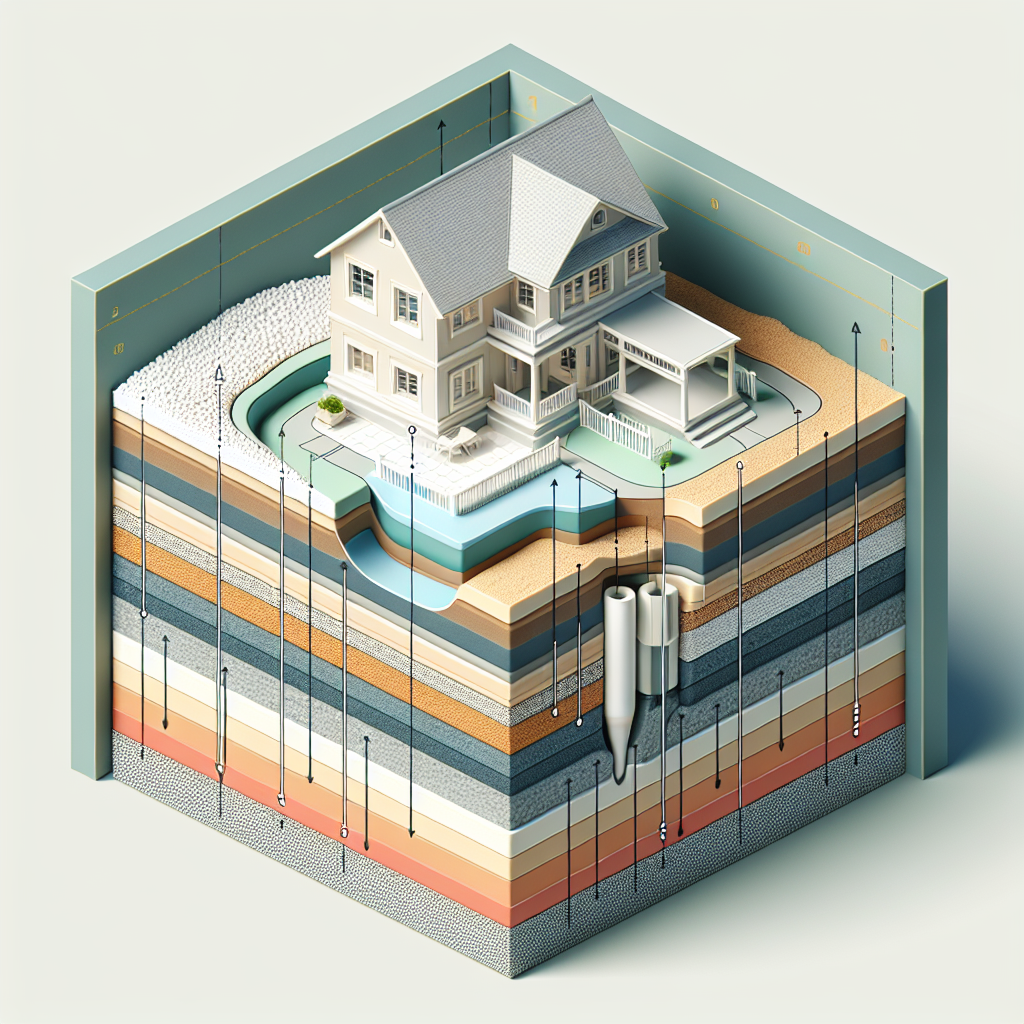
When a building shows cracks, uneven floors, or sticking doors, the root cause is often the ground beneath. Fixing the visible damage is only part of the work; stabilizing the base that supports the structure is where long-term success begins.
This article explains practical approaches to stabilize and reinforce foundations. It compares shallow and deep options, highlights common causes, and shows how to choose the right approach based on soil, damage, and budget.
Common causes of foundation problems
Understanding why foundations fail helps pick a solution that lasts. Problems usually come from soil movement, water, or structural overload.
Soil types and their behavior
Clay, silt, sand, and organic soils act very differently. Expansive clay swells when wet and shrinks when dry, causing uplift and settlement cycles. Loose sandy soils can compact under load, leading to gradual sinking.
Water and drainage issues
Poor surface drainage, leaking pipes, and high groundwater cause soils to soften or erode. Repeated wetting dries cycles make soils unstable and increase settlement risk.
Trees, vegetation, and nearby work
Large roots extract moisture, drying soils and causing shrinkage near foundations. Construction nearby can change load paths or remove supporting soil, triggering new movement.
Surface and shallow strengthening techniques
Shallow methods are often quicker and less invasive. They suit problems within a few feet of the foundation and can be cost-effective for moderate settlement.
Polyurethane foam injection (void fill)
This approach injects expanding polymer beneath slabs to fill voids and lift settled areas. It works fast and causes minimal disturbance.
- Pros: quick, lightweight, minimal excavation, good for interior slabs.
- Cons: not ideal where deep soil instability exists; long-term performance depends on soil conditions.
Mudjacking or slab jacking
Cement-based grout is pumped under a slab to raise and re-level surfaces. It’s a traditional method with a long track record.
- Pros: materials are familiar and relatively inexpensive.
- Cons: heavier material can sink again in weak soils; access points leave small holes.
Carbon fiber and exterior reinforcement
For wall cracks and bowed sections, high-strength fiber strips bonded to masonry stop further movement. This is a surface reinforcement that doesn’t change foundation depth.
- Pros: low profile, preserves original appearance, durable.
- Cons: does not address underlying soil issues or major settlement.
Deep stabilization and load transfer options
When problems reach deeper strata or loads need to be carried to competent soil, deep solutions are more reliable. These reach stable layers well below the active zone.
Helical piles (screw piles)
Helical piles are steel shafts with helical plates that are screwed into the ground. They transfer load to stronger soils or bedrock and can be installed with limited vibration.
- Pros: quick installation, immediate load capacity, works in tight access areas.
- Cons: higher cost than shallow fixes; requires machinery for installation.
Driven steel piles and push piers
These elements are driven or pushed to refusal into dense soil or rock. Push piers are common for underpinning existing foundations and provide a direct load path to stable strata.
- Pros: predictable capacity, stabilizes existing foundations effectively.
- Cons: may cause temporary vibration and require heavy equipment.
Drilled shafts and micropiles
For very heavy structures or poor soils, drilled shafts or micropiles transfer loads to deep competent layers. They are designed to handle high vertical and lateral loads.
- Pros: high capacity, adaptable to difficult soil profiles.
- Cons: among the most expensive options, and often require site clearing and engineering oversight.
Choosing the right method based on site conditions
Match the repair type to the problem. The wrong choice can lead to repeat movement and higher costs over time.
Assessing the soil and foundation
A simple inspection can spot signs, but accurate decisions use soil boring data and structural review. Knowing the depth to competent soil changes the recommended approach.
Cost, access, and disruption
Budget and how much disturbance is acceptable matter. Interior slab lifting is less intrusive than deep piling, but piling might be the only lasting answer in weak soils.
- Economical repairs suit surface issues and tight budgets.
- Long-term fixes like piles often cost more but reduce future risk.
Longevity and warranty expectations
Ask about expected performance and any seller warranties. Deep systems with clear load paths typically offer stronger long-term assurances.
Repair steps and what to expect during work
Knowing typical steps helps set realistic timelines and reduces surprises on site. Most projects follow a clear sequence from assessment to final checks.
Inspection and testing
A qualified inspection looks for cracks, moisture patterns, and alignment issues. Soil testing or borings show whether shallow or deep solutions are needed.
Preparation and access
Clear areas around the foundation as needed. Shallow methods require small access points; deep methods need space for equipment and staging.
Installation and monitoring
Work proceeds with incremental lifts or pile driving, with continuous measurement to achieve the desired alignment. Monitoring continues after work to confirm stability.
- Typical timeline: small slab lifts in a day; piling and underpinning can take days to weeks.
Maintenance, prevention, and long-term care
After repair, ongoing attention prevents recurrence. Many foundation problems link to water and vegetation, both manageable with simple steps.
Drainage and moisture control
Redirect surface water away from the building with grading, gutters, and downspouts. Fix leaks promptly and avoid overwatering near the foundation.
Landscape choices
Keep large trees away from foundations where possible. Choose plants with shallow roots and maintain a consistent moisture level around the base to prevent seasonal soil movement.
Monitoring and minor fixes
Check interior and exterior cracks, doors, and floors periodically. Small signs caught early often require minor work rather than a full repair.
Conclusion
Repairing and strengthening a building base is a technical task that pays off when done to match the site conditions. Quick fixes can help in the short term, but matching the repair depth and method to the soil and loads gives the best long-term outcome.
Consider soil testing and professional assessment before deciding. A well-chosen repair reduces future costs and keeps the structure sound for decades.
Frequently Asked Questions
What signs show a foundation needs attention?
Look for cracks in walls or masonry, uneven floors, gaps at window or door frames, and doors that stick or fail to latch. Exterior cracks near grade and diagonal cracks over openings are common early signs.
Can a small crack be fixed without major work?
Many small cracks can be sealed cosmetically, but sealing alone won’t stop ongoing movement. If cracks grow or reappear, an evaluation is needed to find and fix the underlying cause.
How long does foundation lifting last?
Longevity depends on method and soil. Deep load transfer solutions tend to be long-lasting, while shallow lifts are effective when the underlying soils are stable or drainage and moisture are controlled.
Will home insurance cover foundation repairs?
Insurance varies by policy and the cause of damage. Damage from sudden events may be covered, while slow soil movement or poor maintenance often isn’t. Check policy terms and consider specialist coverage where appropriate.
When is excavation necessary?
Excavation is needed if access to the foundation footing is required for underpinning, or when drainage errors must be corrected at grade. Many modern methods minimize excavation, but some projects still require it.