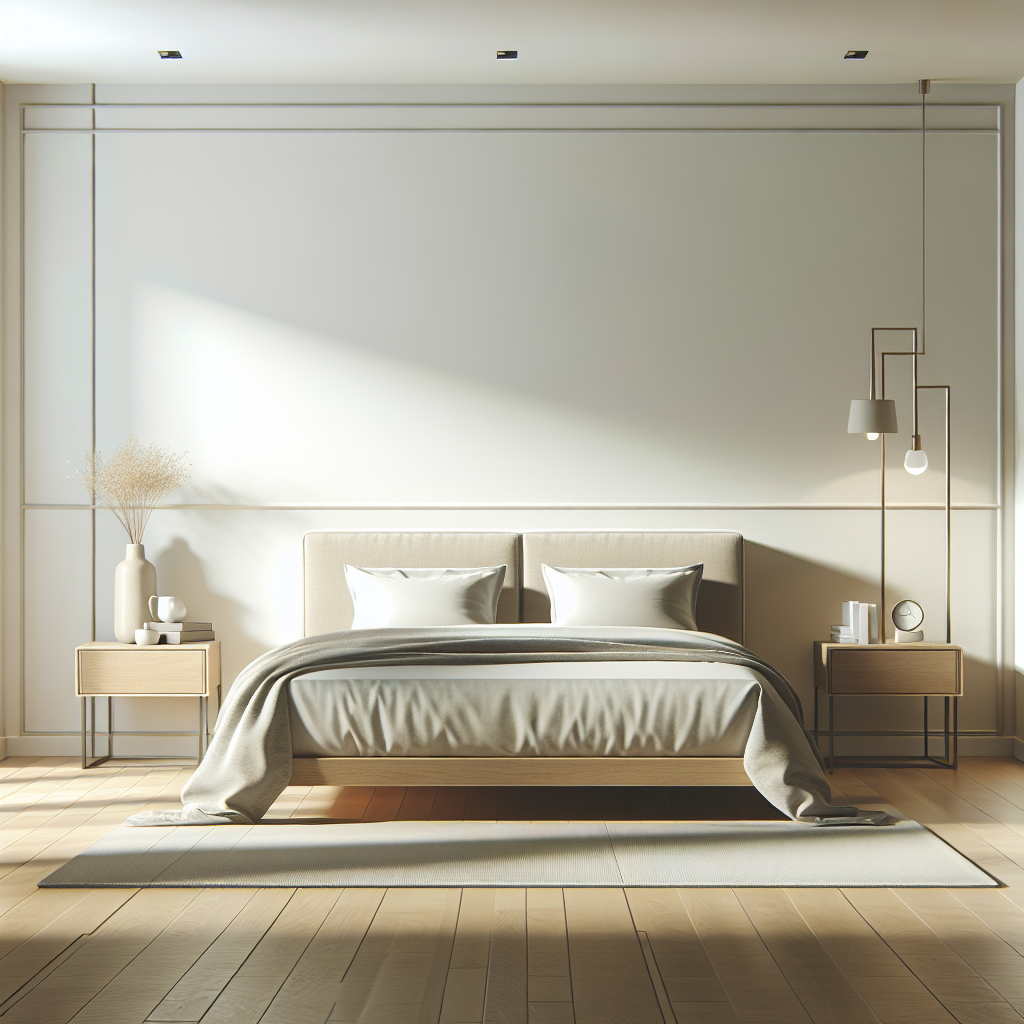
Choosing the right nightstand size affects comfort, function, and the look of a bedroom. Small differences in height or depth change how easy it is to reach a lamp, a book, or a phone while in bed.
This post breaks down common measurements, how to match pieces to bed height and room layout, and the trade-offs between storage and visual balance. Simple rules make it easier to pick a nightstand that feels right in daily life.
Typical sizes and proportions
Most nightstands fall into a predictable range in height, width, and depth. These ranges are driven by ergonomics and what people typically place on the surface.
Knowing the usual bands helps you compare options and avoid pieces that are too small to be useful or too bulky for the space.
Height ranges that work well
The most comfortable nightstand height usually puts the top within a few inches of the mattress surface. Common heights are between 22 and 30 inches.
A lower nightstand can look airy next to a low-profile bed, while taller options suit thicker mattresses or higher bed frames. Aim to keep the top surface roughly level with the bedside mattress or within a 1-3 inch difference.
Width and depth: balancing footprint and function
Width often ranges from 18 to 30 inches. Narrower units (18–22 inches) fit tight spaces and single beds. Wider tops (24–30 inches) offer more room for lamps and storage.
Depth typically sits between 14 and 20 inches. Deeper surfaces hold more items but can crowd walkways. If the bed has a bedside bench or a tight walkway, choose a shallower unit.
Choosing based on bed height and bedroom layout
Matching a nightstand to the bed is more about proportion than exact numbers. Consider bed frame height, mattress thickness, and how you use the top surface.
Room layout and clearance matter too: the best nightstand looks right and leaves comfortable movement around the bed.
How to match height to mattress
Measure from the floor to the top of the mattress. Subtract this from the nightstand height to see the difference. If the result is within -1 to +3 inches, the nightstand will feel comfortable when reaching from a lying position.
If you use a tall mattress or topper, add height to the standard range. Platform beds with low profiles call for shorter options to avoid a toppled lamp or awkward reach.
Clearance and walkway rules
Allow at least 24 inches of clear space along the side of the bed where people walk past. In narrow rooms, choose slimmer nightstands or wall-mounted shelves to keep traffic flow smooth.
Consider door swings, closet openings, and other furniture. Measure before buying and account for bedside lighting and any cords that need routing.
Storage, style, and material impact on size
The amount of storage you want changes the ideal size. Drawers add depth and height, while open shelves feel lighter but store less out of sight.
Material and construction also affect perceived bulk. Solid wood looks thicker than a metal frame with a wooden top of the same dimensions.
Drawer vs. open shelf vs. cabinet
Single drawer units keep essentials close without bulk. Two or three-drawer choices offer more hidden storage but add weight.
Open shelving shows decorative items and makes access easy, but it offers less privacy for clutter. Cabinets can be deep and hide larger items like chargers or books.
Material choices that influence scale
Heavier materials like solid wood or stone-topped designs need stable bases and often a larger footprint to look balanced.
Lightweight frames, slim metal legs, or clear acrylic reduce visual weight. These help small rooms feel less cramped while maintaining useful surface area.
Special sizes and situations
Not every bedroom is standard. Small apartments, kids’ rooms, and master suites all demand different approaches to nightstand sizing.
Knowing common alternatives helps you adapt a purchase to unique needs without losing comfort or style.
Narrow and small-space options
For narrow rooms, choose nightstands 14–18 inches wide and 14–16 inches deep. Slim profiles and wall-mounted shelves keep floor area open.
Stackable or multi-tier shelves can act as a nightstand without a traditional footprint and work well when floorspace is very limited.
Larger bedrooms and symmetrically scaled pairs
In a large master bedroom, larger nightstands (24–30 inches wide) balance a king or queen bed. Matching pairs create symmetry and more storage.
When using oversized nightstands, account for bedside lamps with larger shades so the scale feels cohesive.
Practical measurements and a quick checklist
Use this compact checklist when measuring or shopping. It prevents common mistakes and keeps the decision practical.
Measurements and considerations are quick to apply and save time when comparing options online or in stores.
- Measure mattress top height from the floor.
- Check bedside clearance and walkway width (minimum 24 inches recommended).
- Decide if you need drawers, open shelves, or a cabinet.
- Match scale to bed size: larger beds call for wider bases.
- Consider cord access for lamps and charging gear.
Typical measurement cheat sheet
Here are typical ranges to keep handy while shopping: Height 22–30 inches; Width 18–30 inches; Depth 14–20 inches.
Adjust these numbers a few inches up or down depending on mattress thickness and room constraints.
Styling tips that relate to size
A nightstand should feel like part of a set, even if it doesn’t match the bed exactly. Scale, color, and material help integrate the piece into the room.
Small styling adjustments can make a nightstand look intentional rather than an afterthought.
Balancing visual weight
Pair heavy nightstands with solid headboards or bedside rugs to distribute visual weight. Lighter pieces work best with thin bed frames and minimal bedding.
If one nightstand is much larger than the other, use a tall lamp or stack of books on the smaller side to create balance without matching exactly.
Lamp height and placement
Choose a lamp whose shade bottom is roughly eye level when sitting up in bed. That typically means a lamp base height between 24 and 30 inches depending on the nightstand surface height.
Keep cords discreet by routing them behind the unit and leaving a little slack so furniture can move for cleaning or rearranging.
Conclusion
Picking the right nightstand is about simple measurements and practical habits. Think in relation to the mattress height, room layout, and how much storage you need.
Use the common ranges and checklist above to narrow options quickly. Small adjustments in height or depth can make daily routines easier and improve the bedroom’s overall look.
Frequently Asked Questions
What height should a nightstand be compared to the mattress?
Ideally the top of a nightstand sits within -1 to +3 inches of the mattress surface. That range keeps items within easy reach whether you are sitting up or lying down.
How much space should be between the bed and a nightstand?
Leave enough clearance so doors and drawers can open and people can walk by. A minimum of 24 inches is common for a comfortable walkway, though tight rooms may need slimmer pieces instead.
Can I use a floating shelf as a nightstand?
Yes. Floating shelves save floor space and can be installed at a height that matches the mattress. They offer less storage but work well in minimalist or small rooms.
Are wider nightstands always better?
Wider nightstands offer more surface area and storage, but they can overpower a small room. Match width to bed size and available floor space to keep balance.
How deep should a nightstand be?
Depths generally range from 14 to 20 inches. Choose shallower units for narrow walkways and deeper ones if you want more surface space or larger drawers.