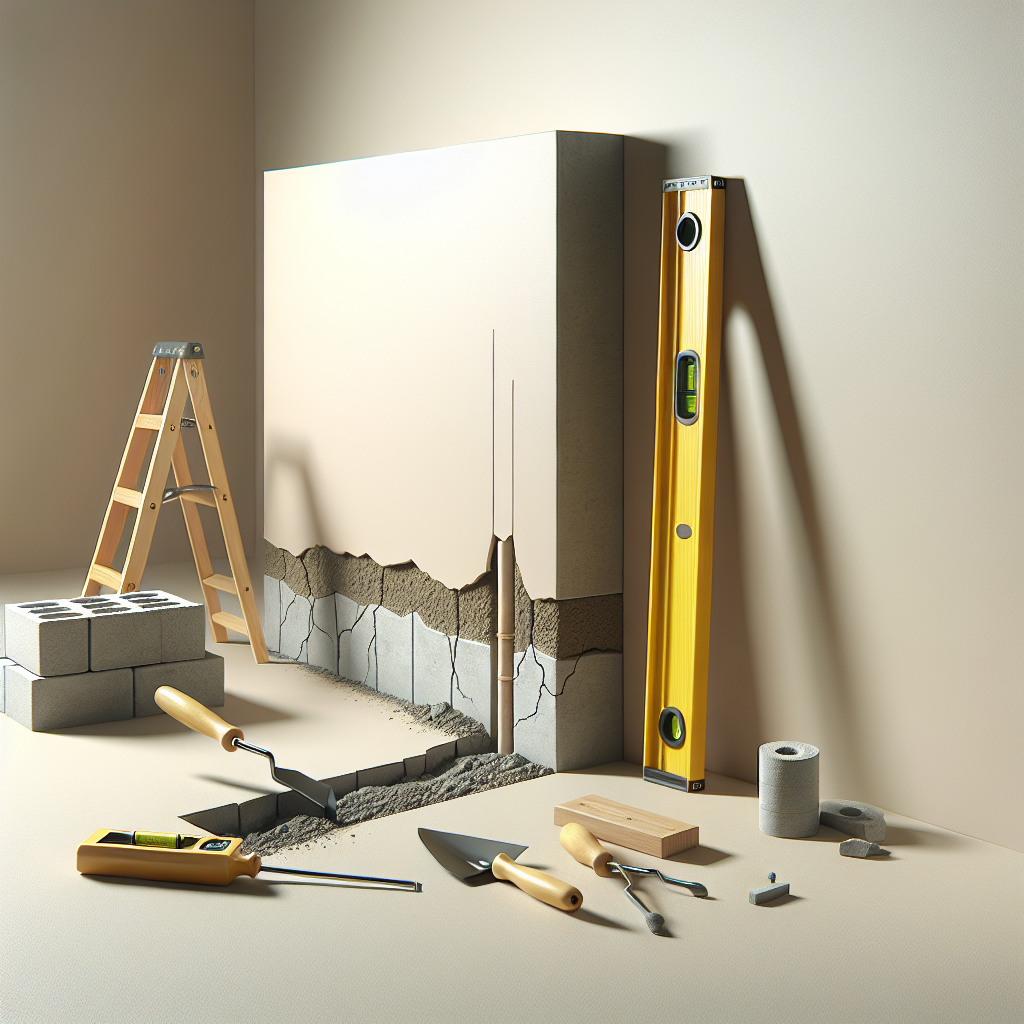
Small cracks in a home’s foundation can be alarming, but not every crack means disaster. Understanding why cracks form and how to evaluate them helps you decide whether a simple fix or a deeper repair is needed.
This article breaks down the common causes, repair options, cost factors, and preventative steps in clear, practical terms so you can protect your home’s structure and value.
Why foundation walls develop cracks
Cracks usually show up where pressure or movement concentrates. Soil conditions, water, and changing temperatures all play a role. Some cracks are cosmetic while others hint at structural shifts.
Recognizing the likely cause narrows down the best repair method and helps prevent repeat problems.
Typical crack types
Crack shape and width tell a lot about the problem. Vertical or diagonal cracks often come from settling. Horizontal cracks may indicate lateral soil pressure. Stair-step cracks are common in block or brick walls.
- Hairline vertical cracks: often shrinkage or minor settling.
- Diagonal cracks wider at one end: differential settlement issues.
- Horizontal cracks: possible soil pressure or frost-related stress.
- Stair-step cracks in masonry: mortar failure or shifting blocks.
Common causes to watch
Several factors often act together, so addressing only one may not solve the whole issue. Look at the site drainage, nearby trees, and soil type when diagnosing cracks.
- Poor drainage and water pooling near the foundation.
- Expansive clay soils that swell and shrink with moisture.
- Inadequate compaction during construction leading to uneven settlement.
- Tree roots pulling moisture from soil and creating voids.
- Freeze-thaw cycles causing heave and contraction.
How to assess crack severity
Not every crack needs a major repair. A clear assessment helps prioritize work and budget. Visual signs and simple measurements can give a good first impression.
If visible movement continues or cracks grow quickly, a deeper evaluation is wise.
Quick visual checks
Start with simple observations: measure width, note direction, and check for associated issues like sticking doors or floor slope. Photograph and date the crack so you can track changes.
- Measure width at several points; use a ruler or a crack gauge.
- Look for new or spreading cracks over a few months.
- Check interior finishes—wallpaper tears, floor gaps, and trim separation.
When a structural inspection helps
Call a professional assessment if cracks are wide (typically over 1/4 inch), horizontal, or accompanied by clear settling of floors and walls. A structural specialist can confirm if underpinning or stabilization is needed.
Common repair methods and why they work
Repair choice depends on cause and severity. Some fixes stop leaks while others restore load-bearing capacity. Knowing what each method does prevents wasted effort.
Below are widely used approaches, from simple sealing to full structural stabilization.
Injection with epoxy or resin
Epoxy injection bonds crack faces and restores structural strength in many concrete walls. Polyurethane resin is better for stopping active water leaks because it expands and seals gaps.
- Epoxy: best for dry cracks that need structural bonding.
- Polyurethane: ideal for wet cracks where water penetration is the main issue.
- Both methods require surface preparation and skilled application for lasting results.
Exterior excavation and waterproofing
For water intrusion or recurring dampness, excavating the outside wall, repairing the crack, then adding a membrane and proper drainage is effective. This addresses the source, not just the symptom.
Exterior work can be disruptive but often prevents repeat leaks and soil-related pressure.
Underpinning and foundation stabilization
When settlement or soil failure affects load-bearing capacity, underpinning methods like pressed concrete piers, steel push piers, or helical piers transfer loads to firmer soil or bedrock.
- Helical and push piers: minimize vibration and provide controlled lift.
- Concrete piers: common in older homes but require larger excavation.
Masonry repair and crack stitching
In block or brick walls, reinforced stitching using grout and steel bars can bridge cracks and restore alignment. Repointing damaged mortar also helps with appearance and weather resistance.
Cost drivers and realistic expectations
Costs vary widely by method, accessibility, and the scope of work. Small interior repairs are inexpensive compared to excavation and pier installations.
A realistic estimate considers both immediate fixes and measures that prevent reappearance.
Factors that affect price
Key factors include access to the wall, depth of excavation needed, soil type, and whether structural stabilization is required. Labor rates and regional demand also influence cost.
- Minor crack injections: typically the lowest cost option.
- Exterior excavation with membrane and drainage: moderate to higher cost.
- Underpinning with piers: often the most expensive due to equipment and structural work.
Making a plan that fits
Get multiple assessments where possible and compare what each contractor proposes. Clear scope and warranties help avoid surprises.
Ask about expected timelines and how the work will affect landscaping or finished areas inside the home.
Steps to reduce future cracking
Repairing a crack without fixing the cause can lead to repeat repairs. Practical maintenance and site changes lower the odds of future problems.
Small investments in drainage and grading pay off over the long term.
Manage water around the home
Ensure gutters and downspouts carry water at least several feet away from the foundation. Surface grading should slope away from the house to prevent pooling.
- Extend downspouts, add splash blocks, or run drain pipes to a safe discharge point.
- Keep soil near the foundation slightly compacted but not overly tight; avoid piling mulch against walls.
Control vegetation and tree roots
Trees too close to the foundation can change soil moisture and cause movement. Root barriers or careful tree selection can reduce risk without removing desirable landscaping.
Seasonal checks and simple maintenance
Inspect the foundation twice a year for new cracks, and watch for changes after heavy rains or drought. Address small leaks promptly before they worsen.
Conclusion
Cracks range from harmless cosmetic issues to signs of serious structural stress. A clear assessment—looking at crack type, width, and movement—helps determine the right repair approach.
Addressing site conditions like drainage and soil moisture is often as important as the repair itself. Choose repairs that fix the root cause and consider warranty and contractor experience when planning major work.
Frequently Asked Questions
Below are common questions homeowners ask when they see foundation cracks. Short, direct answers can help set expectations before a full inspection.
Are hairline cracks serious?
Hairline cracks are often caused by concrete shrinkage or minor settling and are usually not structural. Monitor them for growth and check for water entry. If they widen or new issues appear, seek professional advice.
Can I repair cracks myself?
Small, dry hairline cracks can be sealed with DIY epoxy or patching products. Avoid tackling structural issues or large horizontal cracks without professional input.
How long do repairs last?
Longevity depends on the method used and whether the underlying cause is addressed. Proper epoxy injections and waterproofing can last decades, while fixes that ignore drainage often fail sooner.
Will injection stop water intrusion?
Polyurethane injections are effective at sealing active leaks. Epoxy restores strength but is less suited to wet cracks. Exterior waterproofing can be more reliable when water enters from the outside.
What is a reasonable cost range?
Costs vary widely: simple interior injections are at the low end, exterior excavation and waterproofing are mid-range, and pier-based underpinning is the highest cost. Get written estimates and compare scope, materials, and warranties before deciding.