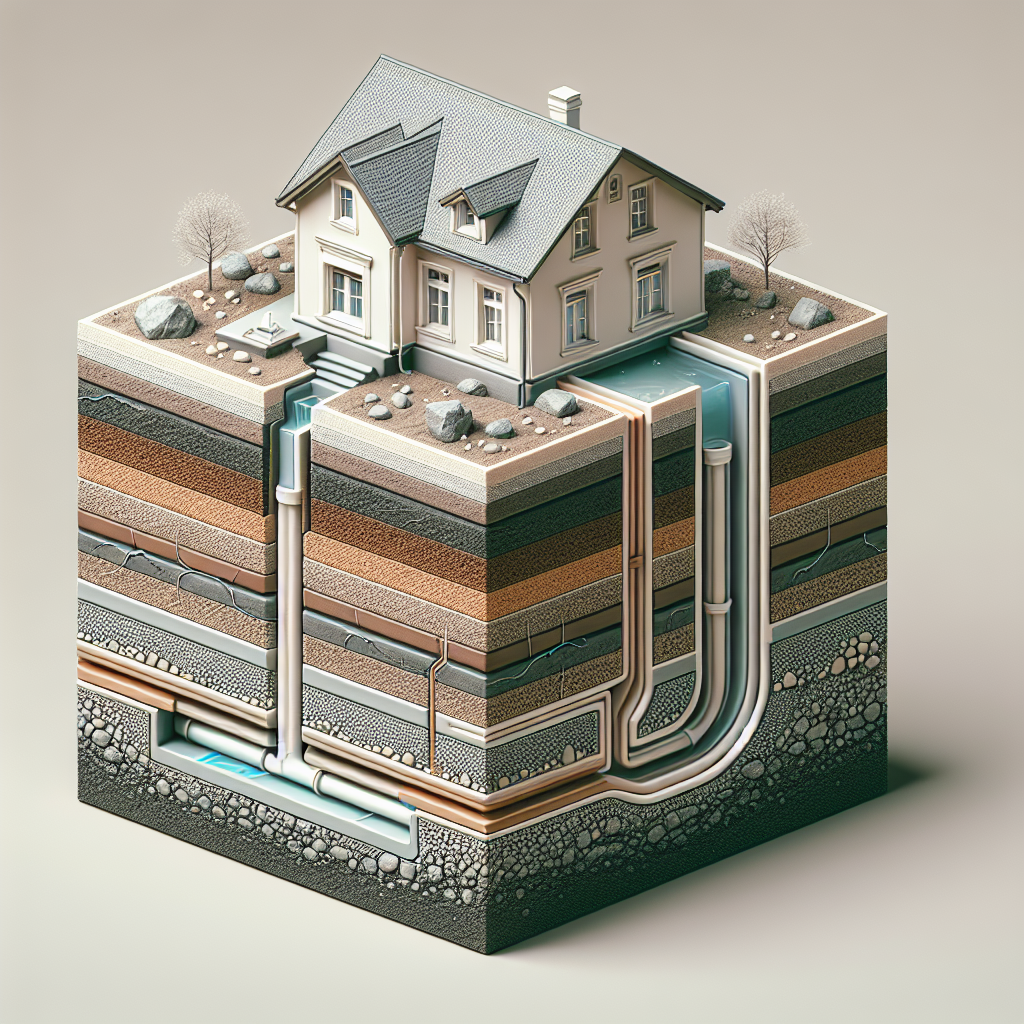
Water at the base of a house can start small and grow into a costly problem fast. A steady drip, damp smell in the basement, or paint peeling on lower walls are early signs that moisture is finding its way through the foundation.
This post breaks down practical steps to identify causes, compare repair choices, and outline simple maintenance moves that keep water out long term.
Common causes and early signs
Foundations leak for a handful of predictable reasons. Soil saturation, failed exterior barriers, clogged drainage, and hairline cracks are among the most frequent culprits.
Spotting early signs can save money. Look for damp patches, white mineral deposits (efflorescence), musty odors, and warped flooring near the foundation line.
How soil and water interact with foundations
Clay-rich soils expand when wet and contract when dry. That movement stresses foundation walls and can open tiny gaps where water enters.
High water tables or heavy rain near your home increase hydrostatic pressure — that’s the force pushing groundwater toward lower points like basements and crawl spaces.
Visible indicators to watch for
Small stains on walls, bubbling paint, or a persistent puddle after rainfall point to active leaks. Cracks that run horizontally or stair-step through blockwork deserve immediate attention.
Keep a short photo log of changes so you can track whether a problem is seasonal or getting worse over time.
How to inspect and diagnose
A practical inspection narrows down the source before any repair decisions. Start outside, then move inside, and finish with a focused check on drainage systems.
Use a flashlight, a moisture meter if you have one, and simple tools like a garden trowel to expose soil near the footing on the exterior.
Exterior checks
Walk the foundation perimeter looking for ponding water, soil piled against siding, or cracked downspout extensions. Grading should slope away at least 6 inches in the first 10 feet.
Inspect gutters and downspouts; even a small clog can send concentrated water toward the foundation instead of away from it.
Interior checks
Inside, probe walls and floors for dampness and map where moisture shows up. A small fan or dehumidifier can help you see if an area dries slowly versus a one-time spill.
Check behind stored items and near pipes — sometimes what looks like a foundation leak is actually a plumbing issue. Rule plumbing out early.
When moisture testing helps
A moisture meter gives numbers instead of guesses. Measure wall surfaces and compare readings across the space. Consistently high readings near the base indicate a true infiltration issue.
For persistent or unclear problems, consider a short diagnostic period: document weather, indoor humidity, and any seasonal patterns over several weeks.
Repair choices and practical prevention
Repairs fall into two main categories: exterior-facing fixes that stop water before it meets the wall, and interior treatments that manage moisture after it gets in. Often, a combination is the most effective.
Costs and disruption vary. Exterior work tends to last longer but is more invasive. Interior solutions are less disruptive and can be excellent interim measures.
Exterior waterproofing
Exterior waterproofing typically involves excavating around the foundation, repairing cracks, and applying a waterproof membrane. It may also include adding a drainage board and a granular backfill to improve water flow.
This approach tackles water where it begins and reduces hydrostatic pressure on the wall, which lowers the risk of future leaks.
Interior sealants and patching
For hairline cracks and small weeps, epoxy or polyurethane injections can seal the path water takes through concrete. Interior sealants and masonry paints add an extra layer of protection but should not replace structural repairs when cracks are active.
Interior patching is faster and cheaper, which makes it a good first step while planning larger exterior fixes.
Drainage improvements
Drainage is often the simplest long-term fix. Installing or repairing a perimeter drain (French drain) and ensuring downspouts direct water at least several feet from the foundation can drastically reduce leaks.
Maintain a free flow of water away from your house using gravel, perforated pipe, and properly sloped soil.
Soil grading and landscaping adjustments
Regrade soil near the foundation so water flows away from the house. Avoid piling mulch or soil against siding, and use plantings that tolerate drier soils near the foundation edge.
Be careful with hardscapes like patios or driveways that slope toward the home; reshaping or adding a channel can redirect runoff effectively.
Combining fixes for best results
Most durable solutions mix interior and exterior measures. For example, pairing a new perimeter drain with interior crack injections and dehumidification creates redundancy that reduces future risk.
Prioritize fixes that reduce water at the source first, then add protections that manage any moisture that still appears.
Cost, timing, and when to seek help
Repair costs vary widely. Simple interior sealants are relatively affordable, while full exterior waterproofing and new drainage systems are more expensive but often last longer.
Timing also matters: fall and spring are better for exterior work in many climates, while interior fixes can be done year-round.
Estimating expenses
Get multiple quotes and ask for itemized estimates. Look for contractors who explain the cause of the leak and show how their recommendation addresses that cause — not just a one-size solution.
Consider long-term value over the lowest bid. A slightly higher upfront cost for a comprehensive fix can avoid repeat work.
Signs it’s time to call a specialist
Hire a professional when cracks are wide or growing, when water appears under pressure, or when structural changes (bowing walls, significant settlement) are evident.
Professionals can perform more advanced diagnostics, like groundwater testing or structural evaluations, and design a repair that meets local code requirements.
Conclusion
Controlling foundation moisture is often a mix of careful inspection, targeted repairs, and ongoing maintenance. Address small signs early to avoid larger structural issues later.
Simple steps—improving drainage, sealing small cracks, and keeping gutters clear—go a long way. When problems persist or appear serious, a measured professional approach will protect the value and health of the home.
Frequently Asked Questions
How can I tell if water is coming from outside or a plumbing leak?
Look at timing and location. Water after rain, near lower walls or corners, likely comes from outside. Continuous dampness near plumbing lines or only when fixtures run often points to a plumbing source.
Remove stored items and observe the spot during dry weather and after rainfall to see the pattern.
Are interior fixes enough to stop foundation leaks?
Interior fixes can stop visible water in many cases and are valuable short-term. However, they don’t reduce external hydrostatic pressure. For lasting protection, exterior drainage and grading are often required.
Use interior treatments to buy time or as part of a layered approach.
Will landscaping changes really make a difference?
Yes. Correct soil grading and proper placement of plants and hardscapes help water flow away from the foundation instead of toward it. Downspout extensions and permeable surfaces minimize runoff pooling.
Even small changes, like adding a slight slope away from the house, make a measurable impact.
What maintenance keeps foundation leaks from returning?
Regular gutter cleaning, checking downspout extensions, keeping soil graded away from the foundation, and repairing small cracks promptly will reduce recurrence. Seasonal checks after heavy rains help catch issues early.
Monitoring indoor humidity and using dehumidifiers in damp basements also prevents mold and keeps materials healthy.
How urgent is a hairline crack?
Hairline cracks are common and not always immediately dangerous, but they can widen over time. Monitor them and consider a sealant if they show dampness. If the crack grows or shows movement, get a professional assessment.
Document changes with photos and measurements to inform decisions later.