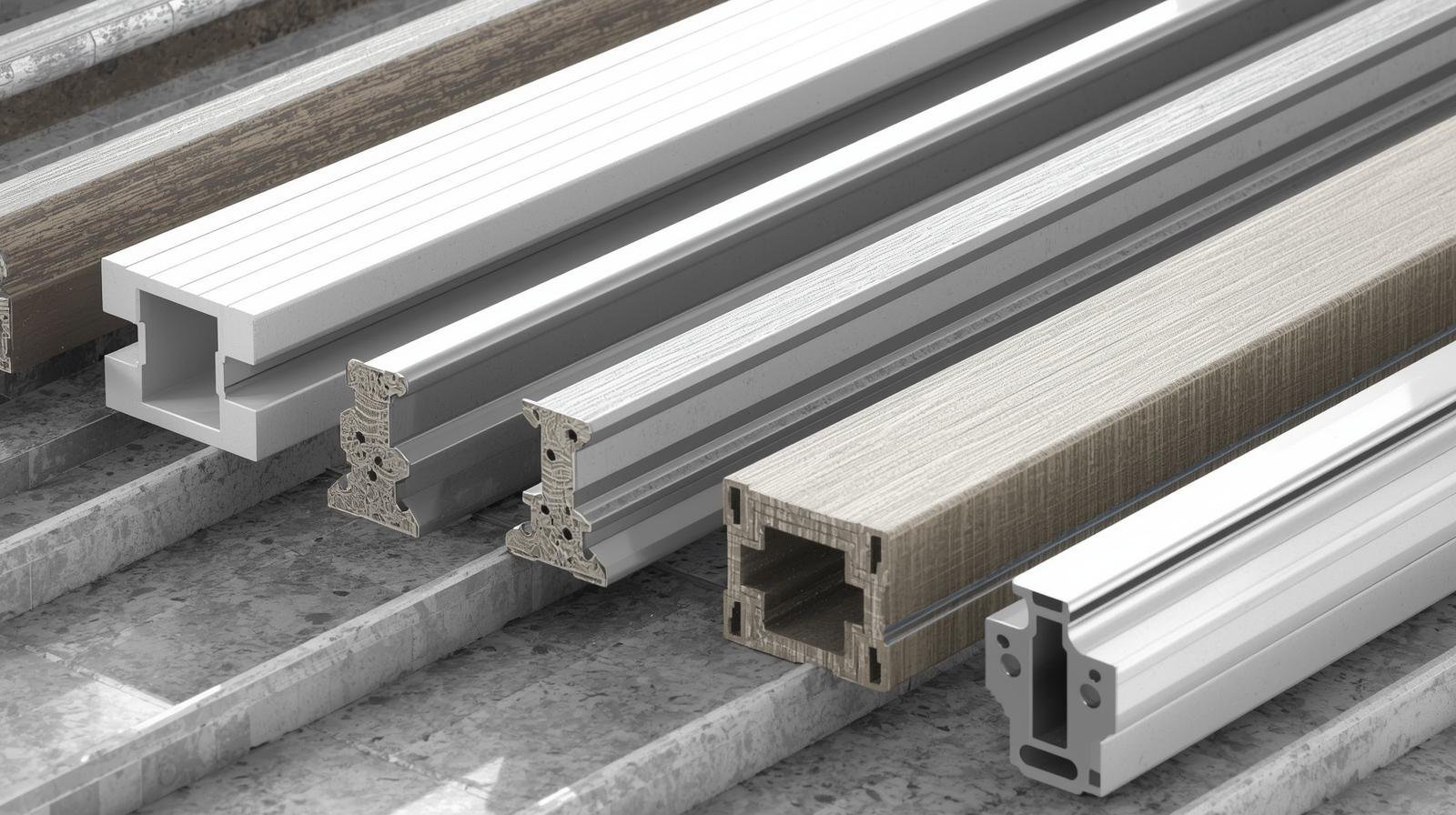
Composite beams are structural members made by combining two different materials, usually steel and concrete, so that both act together to resist loads. In composite beam construction, the steel beam carries tensile forces while the concrete slab resists compressive forces. This combined action improves strength, stiffness, and efficiency, making composite beams very popular in modern buildings and bridges.
What Is a Composite Beam
A composite beam is a beam in which a steel section and a concrete slab are connected in such a way that they behave as a single unit under load. This is achieved using shear connectors, which prevent slipping between steel and concrete. Because of this interaction, composite beams can carry higher loads compared to conventional steel or RCC beams of the same size.
Why Composite Beams Are Used
Composite beams are used to achieve higher strength with reduced material consumption. They allow longer spans, faster construction, and lighter structures. Due to these benefits, composite beams are widely used in commercial buildings, industrial structures, and bridge construction.
Main Reasons for Using Composite Beams
- Better load-carrying capacity
- Reduction in beam size and self-weight
- Efficient use of steel and concrete
- Faster construction compared to RCC beams
- Suitable for long-span structures
Types of Composite Beams
Composite beams are classified based on their construction method and material arrangement.
Steel–Concrete Composite Beam
This is the most common type, where a steel I-beam or plate girder works together with a reinforced concrete slab. Shear connectors are welded on the steel beam to ensure composite action.
Encased Composite Beam
In this type, the steel section is partially or fully encased in concrete. Encasing improves fire resistance and corrosion protection while maintaining composite action.
Filled Composite Beam
Filled composite beams have concrete filled within hollow steel sections. This improves stiffness and load resistance and is often used in columns and beams of high-rise buildings.
Structural Behavior of Composite Beams
In composite beams, concrete resists compression while steel resists tension. This efficient stress distribution increases bending strength and reduces deflection. The presence of shear connectors ensures that steel and concrete act together, preventing relative movement and ensuring structural stability.
Shear Connectors in Composite Beams
Shear connectors are a critical component of composite beams. They transfer shear force between steel and concrete and ensure composite action.
Common Types of Shear Connectors
- Headed stud connectors
- Channel connectors
- Angle connectors
Proper design and spacing of shear connectors are essential for the performance of composite beams.
Design Considerations for Composite Beams
Design of composite beams includes checking bending strength, shear strength, deflection, and serviceability. Fire resistance and vibration control are also important, especially in buildings. Design standards specify connector spacing, effective slab width, and load combinations.
Important Design Factors
- Span length
- Type of loading
- Concrete slab thickness
- Steel section size
- Shear connector capacity
Advantages of Composite Beams
Composite beams provide several structural and economic benefits.
Key Advantages
- Higher strength-to-weight ratio
- Reduced beam depth and floor height
- Faster construction using steel erection
- Better fire resistance compared to bare steel
- Cost-effective for multi-storey buildings
Limitations of Composite Beams
Despite many advantages, composite beams have some limitations. Skilled workmanship is required for welding shear connectors. Initial cost may be higher than conventional RCC beams. Proper quality control is essential to ensure effective composite action.
Applications of Composite Beams
Composite beams are widely used in high-rise commercial buildings, shopping malls, industrial sheds, and bridges. They are especially suitable for long-span floors where reduced depth and faster construction are required. Composite beams are also common in metro stations and parking structures.
Composite Beams vs RCC Beams
Compared to RCC beams, composite beams are lighter and can span longer distances. RCC beams require more time for construction due to formwork and curing, while composite beams allow faster progress. However, RCC beams may be more economical for small spans and low-rise buildings.
FAQs on Composite Beams
What materials are used in composite beams
Composite beams usually combine steel sections with reinforced concrete slabs.
Why shear connectors are required in composite beams
Shear connectors prevent slipping between steel and concrete and ensure both materials act together.
Are composite beams fire resistant
Yes, concrete slab and encasement improve fire resistance, but additional fire protection may be required for steel.
Where are composite beams commonly used
They are commonly used in commercial buildings, industrial structures, bridges, and long-span floors.
Conclusion
Composite beams are an efficient structural solution that combines the best properties of steel and concrete. They provide higher strength, reduced weight, and faster construction compared to traditional beam systems. When properly designed and executed, composite beams offer durability, economy, and excellent performance, making them a preferred choice in modern construction.