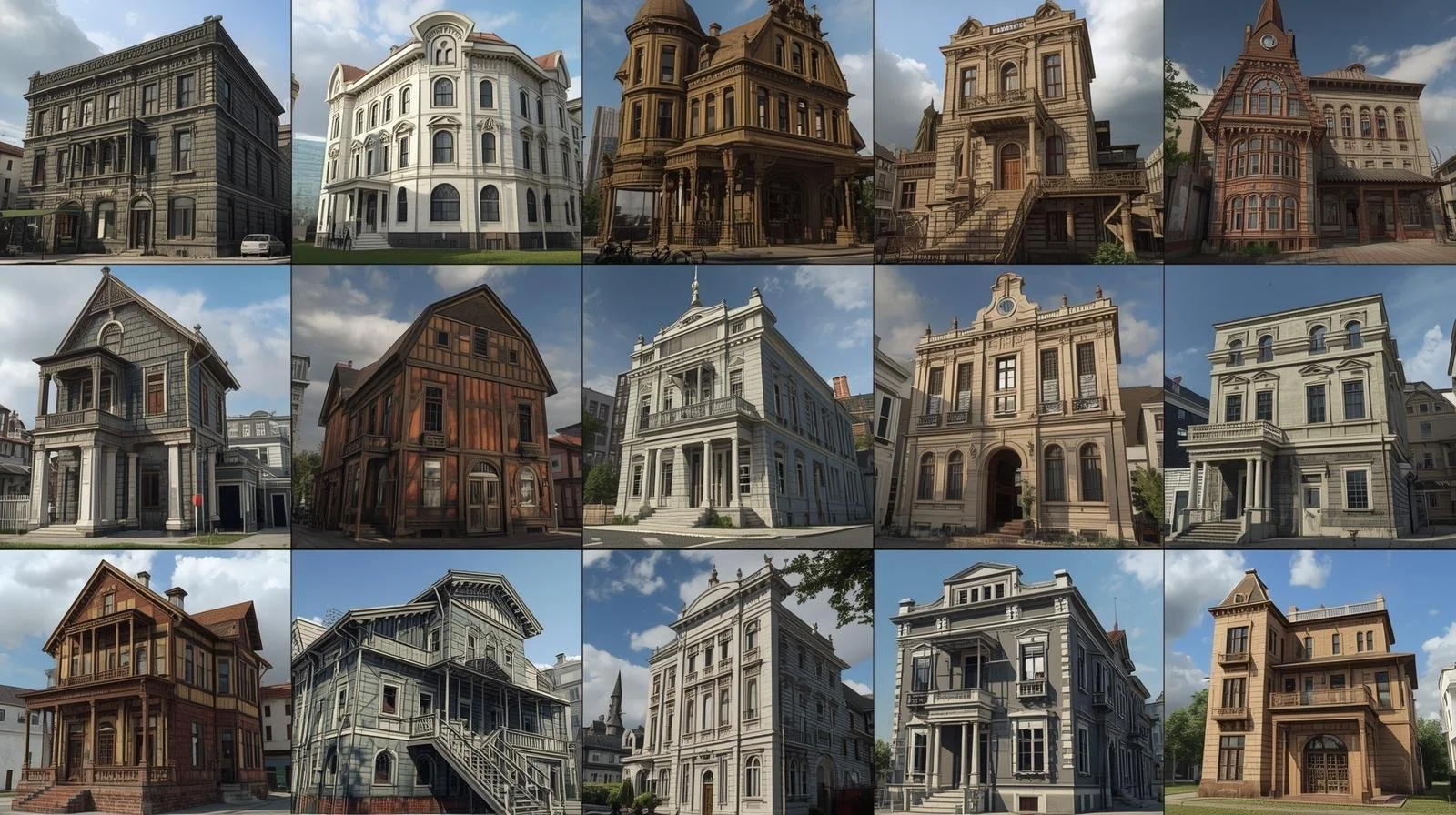
Types of building is a fundamental topic in civil engineering, architecture, and town planning. Buildings are classified into different types based on their use, occupancy, structure, and construction method. This classification helps engineers, architects, and planners design safe, functional, and code-compliant structures. Understanding the types of buildings is essential for proper planning, material selection, fire safety, and structural design as per building bylaws and IS codes.
What is a Building?
A building is a permanent structure constructed to provide shelter for human activities such as living, working, learning, storage, or recreation. Buildings are designed to protect occupants from weather, provide safety, and support various functional requirements. Based on purpose and construction, buildings are grouped into different categories.
Types of Building Based on Occupancy (As per NBC of India)
Residential Buildings
Residential buildings are used for living or dwelling purposes. These buildings provide shelter and basic living facilities to individuals or families. Examples include individual houses, apartments, bungalows, flats, hostels, dormitories, and lodging houses. Residential buildings are designed considering comfort, privacy, ventilation, and safety.
Educational Buildings
Educational buildings are used for teaching and learning activities. These include schools, colleges, universities, training institutes, and research centers. Such buildings require proper lighting, ventilation, acoustics, and safety measures to support educational activities.
Institutional Buildings
Institutional buildings are used for medical care, custody, or public service. Examples include hospitals, nursing homes, sanatoriums, jails, orphanages, and old-age homes. These buildings require special planning for hygiene, accessibility, fire safety, and emergency evacuation.
Assembly Buildings
Assembly buildings are used for gathering a large number of people for social, religious, cultural, or recreational purposes. Examples include cinemas, theaters, auditoriums, marriage halls, temples, mosques, churches, stadiums, and exhibition halls. These buildings require careful design for crowd control, fire safety, and emergency exits.
Business Buildings
Business buildings are used for administrative, professional, and commercial activities. Examples include office buildings, banks, IT parks, corporate offices, and service centers. These buildings focus on workspace efficiency, fire safety, vertical circulation, and energy efficiency.
Mercantile Buildings
Mercantile buildings are used for trade, display, and sale of goods. Examples include shops, shopping malls, markets, department stores, and showrooms. Proper planning for customer movement, storage, lighting, and fire protection is essential in mercantile buildings.
Industrial Buildings
Industrial buildings are used for manufacturing, processing, assembling, or repairing goods. Examples include factories, workshops, plants, and mills. These buildings are designed to accommodate heavy machinery, vibration, ventilation, and industrial safety requirements.
Storage Buildings
Storage buildings are used for storing goods and materials. Examples include warehouses, godowns, cold storage units, silos, and transit sheds. Structural design of storage buildings considers load intensity, stacking height, and fire safety.
Hazardous Buildings
Hazardous buildings are used for handling or storing highly combustible, explosive, or toxic materials. Examples include chemical plants, refineries, explosive storage units, and gas plants. These buildings require strict safety regulations, controlled access, and special construction practices.
Types of Building Based on Structural System
Load Bearing Buildings
Load bearing buildings transfer structural loads from slabs and roofs directly to walls and then to the foundation. These buildings are commonly used for low-rise residential structures. Brick masonry and stone masonry are typically used in load bearing construction.
Framed Structure Buildings
Framed structure buildings consist of beams, columns, and slabs forming a structural frame. The loads are transferred through columns to the foundation. RCC and steel frames allow construction of multi-storey and high-rise buildings.
Composite Structure Buildings
Composite buildings use a combination of RCC, steel, and other materials to achieve strength, flexibility, and economy. These structures are common in modern commercial and industrial buildings.
Types of Building Based on Construction Material
RCC Buildings
RCC buildings use reinforced cement concrete for slabs, beams, columns, and foundations. They are durable, fire-resistant, and suitable for all types of buildings.
Steel Buildings
Steel buildings are constructed using steel frames and are widely used for industrial sheds, warehouses, and high-rise structures due to their high strength-to-weight ratio.
Masonry Buildings
Masonry buildings are constructed using bricks, blocks, or stones bonded with mortar. They are commonly used in residential and low-rise structures.
Prefabricated Buildings
Prefabricated buildings are constructed using factory-made components assembled on site. These buildings offer faster construction, quality control, and reduced labor cost.
Types of Building Based on Height
Low-Rise Buildings
Low-rise buildings generally have one to three storeys and are commonly used for residential houses and small commercial buildings.
Mid-Rise Buildings
Mid-rise buildings usually range from four to ten storeys and are common in apartments, offices, and hotels.
High-Rise Buildings
High-rise buildings have more than ten storeys and require special design for wind load, earthquake resistance, fire safety, and vertical transportation.
Types of Building Based on Use Duration
Permanent Buildings
Permanent buildings are designed for long-term use with durable materials and strong foundations.
Temporary Buildings
Temporary buildings are constructed for short-term use such as site offices, labor sheds, exhibition stalls, and emergency shelters.
Importance of Building Classification
Classification of buildings helps in proper planning, structural design, fire safety provisions, material selection, and compliance with building codes. It ensures safety, functionality, and sustainability of the built environment.
Types of Building as per IS and NBC Guidelines
In India, building classification is governed by the National Building Code (NBC) and relevant IS codes, which specify requirements for structural design, fire safety, accessibility, ventilation, and services based on building type and occupancy.
Conclusion
Types of building classification provides a clear understanding of how structures are planned, designed, and constructed based on their function and structural system. Whether residential, commercial, industrial, or hazardous, each type of building has unique requirements that must be addressed for safety, durability, and efficiency. Proper classification ensures better design decisions, regulatory compliance, and long-lasting construction performance.