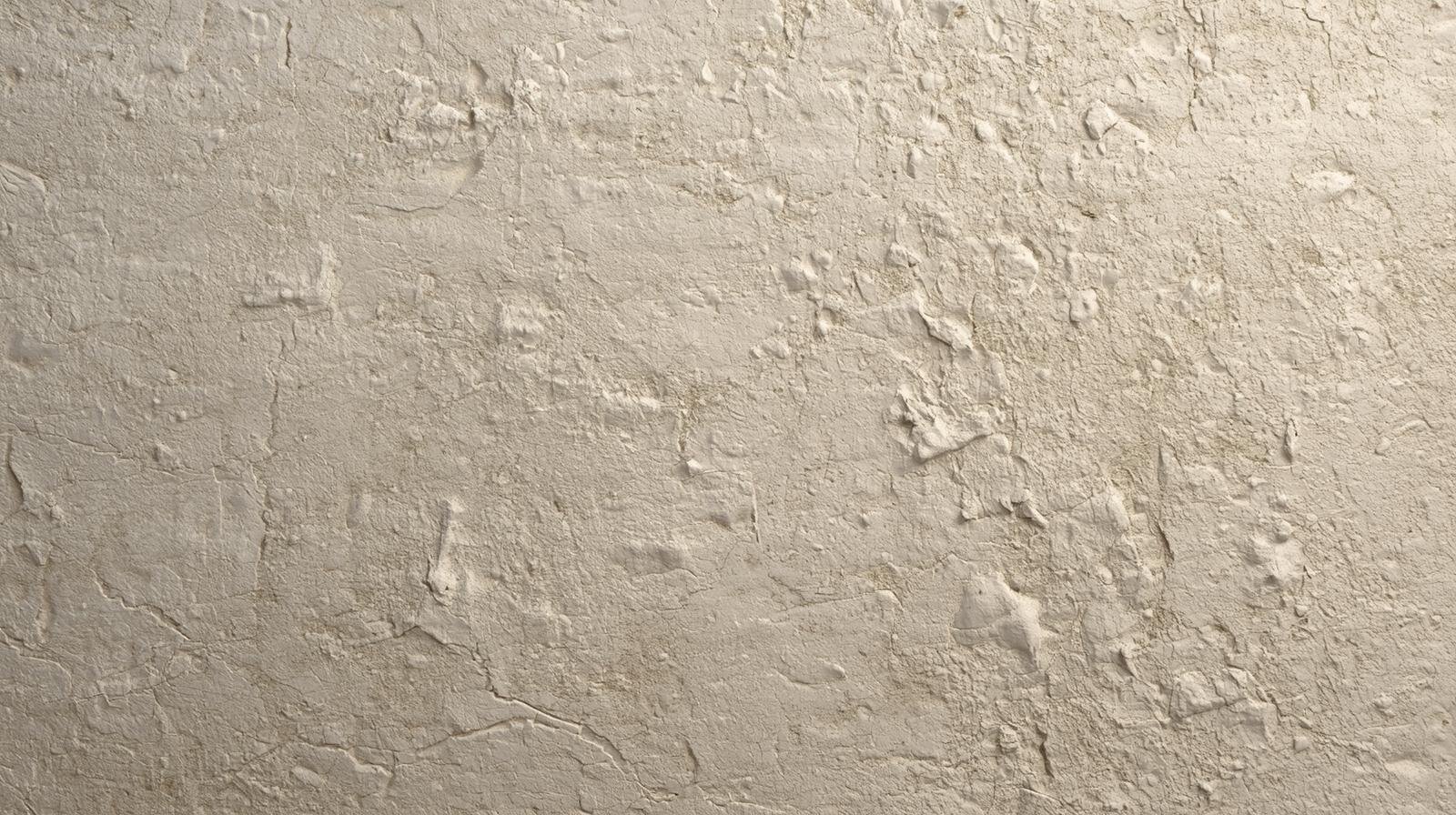
A plaster finish is one of the most essential and aesthetic aspects of building construction. It provides a smooth, durable, and visually appealing surface over masonry or concrete walls and ceilings. Beyond its decorative role, plastering also protects the surface from moisture, weathering, and mechanical damage. In this detailed guide, we will explore what plaster finish is, its different types, materials used, the application process, and the advantages it offers in civil construction.
What is a Plaster Finish?
A plaster finish is the final coat or surface treatment applied to walls or ceilings after plastering. It forms the visible, outermost layer that defines the texture, appearance, and smoothness of the surface. Plaster finishes can be smooth, textured, or decorative, depending on the material and technique used.
In simple terms, plaster finishing is the art of applying a coating material like cement, lime, or gypsum on a rough surface to achieve a refined, protective, and beautiful finish.
Purpose of Plaster Finish
The main purposes of applying a plaster finish include:
- Protection: Shields walls and ceilings from moisture, heat, and mechanical wear.
- Smoothness: Provides a leveled and even surface for painting or decoration. or decoration.
- Aesthetic Appeal: Enhances the overall look of interiors and exteriors.
- Durability: Increases the life span of the wall surface by reducing weathering.
- Sanitation: Reduces dust accumulation and improves hygiene by sealing pores in the surface.
Materials Used in Plaster Finish
The materials used in plaster finishes vary based on the type of surface, environment, and desired appearance. Common materials include:
- Cement: Used for cement plaster finish; provides strength and water resistance.
- Lime: Offers smoothness and workability; often used in traditional buildings.
- Gypsum: Provides a quick-setting, smooth, and decorative finish indoors.
- Sand: Acts as a filler and provides texture to the mix.
- Water: Essential for mixing and hydration.
- Additives: Plasticizers and waterproofing compounds improve performance and finish quality.
Types of Plaster Finish
Different types of plaster finishes are used depending on the desired texture and functional requirement. Here are the most common types:
1. Smooth Cast Plaster Finish
This is the most common and simple plaster finish. It provides a flat, smooth, and even surface using a 1:3 (cement:sand) mix. The surface is leveled and then polished using a steel trowel for a sleek appearance. Ideal for interiors and painting works.
2. Rough Cast Plaster Finish
Also known as spatter dash finish, this type involves applying a mixture of coarse aggregate, cement, and sand on the wall surface in a rough, uneven texture. It is often used in exteriors to resist weathering and hide surface irregularities.
3. Sand Faced Plaster Finish
This finish is achieved by applying two coats — the first coat of 12 mm thickness and a second coat of 8 mm thickness containing fine sand. The top coat is rubbed with a sponge to expose sand particles, giving a sandy textured appearance. Commonly used on external walls.
4. Pebble Dash Plaster Finish
In this decorative finish, pebbles or small gravel are thrown onto a freshly applied coat of plaster. It provides a rustic and durable texture, ideal for exterior facades and boundary walls.
5. Scrapped Plaster Finish
Here, the top coat of plaster (usually 6–12 mm thick) is allowed to set slightly and then scraped using a steel blade or wire brush to remove the upper layer. This exposes the coarse texture underneath, resulting in a uniform matte finish.
6. Textured Plaster Finish
Textured finishes are created using special tools, brushes, or rollers to produce artistic designs like waves, swirls, or geometric patterns. These finishes are often used for decorative interiors and façades.
7. Depeter Plaster Finish
In this finish, small stone chips or crushed marble are pressed into the wet final coat of plaster, resulting in a luxurious and glossy appearance. Commonly used in high-end buildings and decorative applications.
8. Gypsum Plaster Finish
Gypsum plaster provides a very smooth, white, and glossy finish. It sets quickly and doesn’t require curing. It’s widely used for modern interior walls and ceilings.
9. Lime Plaster Finish
Made using a lime-sand-water mixture, this finish offers high flexibility and breathability. It is ideal for heritage and traditional buildings where moisture control is critical.
10. Stucco Plaster Finish
Stucco is a decorative three-layer plaster finish composed of lime, sand, and marble dust. It’s often used on exterior surfaces for artistic, long-lasting beauty.
Process of Applying Plaster Finish
The process of achieving a durable and attractive plaster finish involves several steps.
Step 1: Surface Preparation
Clean the wall or ceiling surface to remove dust, grease, and loose particles. Dampen the surface before applying plaster to prevent water absorption from the mix.
Step 2: Mixing the Plaster
Prepare the plaster mix by combining cement, sand, and water in the proper ratio. Mix thoroughly to achieve a uniform consistency. For gypsum or lime plaster, follow manufacturer specifications.
Step 3: Applying the Base Coat
Apply the first coat (also known as the scratch coat) about 10–12 mm thick. Level the surface and create key marks using a trowel to improve bonding with the next coat.
Step 4: Applying the Second Coat
The second or finishing coat (about 6 mm thick) is applied once the base coat sets. It is leveled and smoothed according to the desired texture or pattern.
Step 5: Finishing and Curing
For cement plaster, the surface should be cured with water for at least 7 days to prevent cracks. Gypsum plaster, however, does not require curing.
Tools Used in Plaster Finishing
Common tools used in plaster finishing include:
- Trowel: For spreading and leveling plaster.
- Float: For smoothing and compacting surfaces.
- Plumb bob and level: To maintain alignment.
- Hawk: For holding small amounts of plaster during application.
- Brush or sponge: For texture or surface finishing.
Common Defects in Plaster Finish
Even a well-applied plaster can develop defects if not done properly. Common issues include:
- Cracking: Caused by improper curing or rapid drying.
- Blistering: Air bubbles trapped under the surface.
- Peeling: Poor adhesion between coats.
- Efflorescence: White salt deposits on the surface due to moisture.
- Uneven Surface: Inadequate leveling or mixing.
Proper materials, skilled workmanship, and correct curing prevent most of these issues.
Advantages of Plaster Finish
A plaster finish offers numerous benefits, including:
- Smooth and Durable Surface: Ideal for painting and interior décor.
- Weather Resistance: Protects against rain and sunlight.
- Fire Resistance: Especially in gypsum and lime plasters.
- Sound Insulation: Helps reduce external noise.
- Low Maintenance: Easy to clean and repair.
- Improved Appearance: Enhances both interiors and exteriors with aesthetic value.
Comparison Between Cement Plaster and Gypsum Plaster
| Feature | Cement Plaster | Gypsum Plaster |
|---|---|---|
| Drying Time | Slow (requires curing) | Fast (no curing needed) |
| Finish | Gray and rough | Smooth and white |
| Strength | Very high | Moderate |
| Application | Interior and exterior | Interior only |
| Cost | Cheaper | Slightly expensive |
| Maintenance | Moderate | Low |
Applications of Plaster Finish
Plaster finishes are used in:
- Residential and commercial walls
- Ceilings and cornices
- Exterior façades
- Heritage restoration works
- Interior decoration and molding designs
Conclusion
A plaster finish is more than just a final coating—it is a crucial step that defines the durability, beauty, and performance of a structure. Whether smooth or textured, cement-based or gypsum-based, each plaster finish serves a specific purpose in civil construction.
Choosing the right type of plaster finish depends on the location, climate, budget, and desired look. When applied with quality materials and proper technique, a plaster finish enhances both protection and aesthetics, ensuring that walls and ceilings remain strong, smooth, and visually pleasing for years to come.