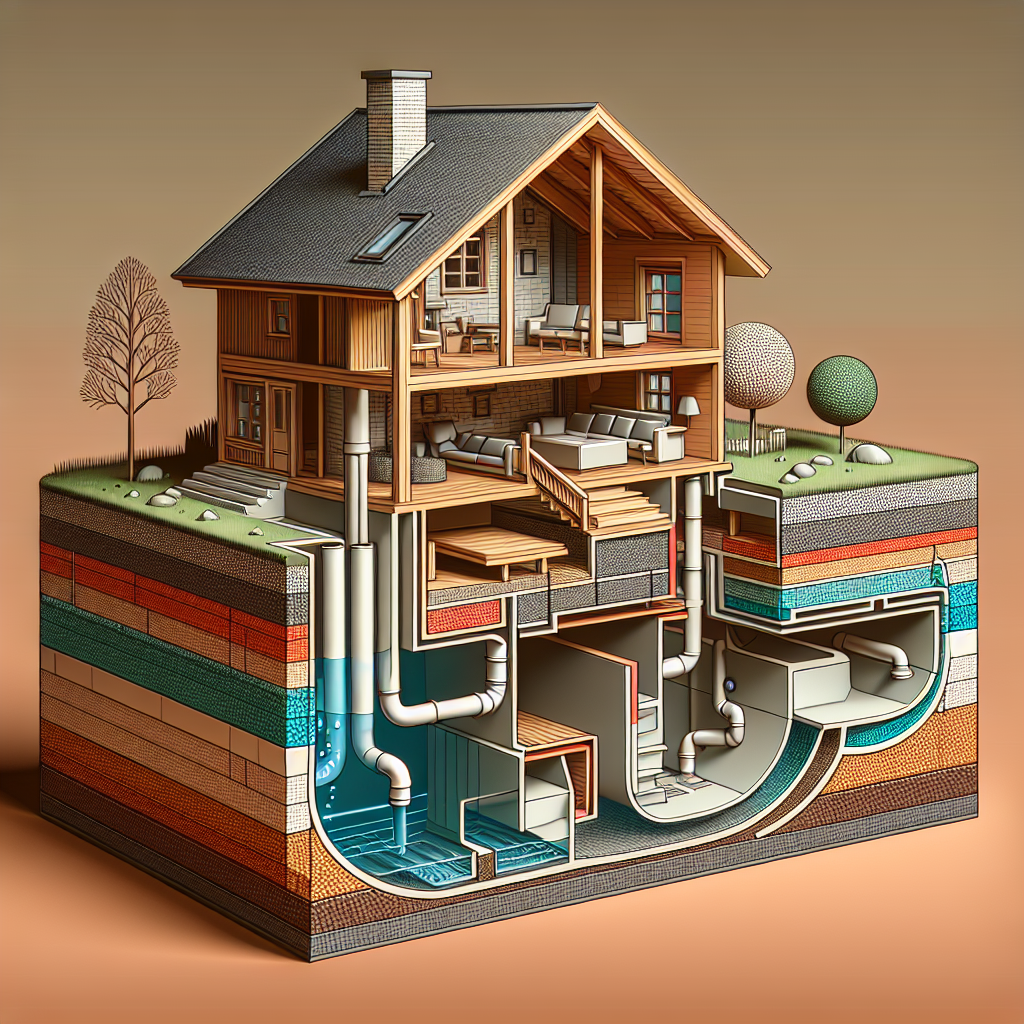
Water entering a foundation can start as a small drip and grow into serious structural and health problems. Understanding how water reaches foundations and which fixes actually work helps homeowners protect property value and indoor air quality.
This article explains why moisture control matters, the most reliable methods to keep water out, likely costs, and simple maintenance steps. The tone is practical and focused on solutions that last.
Why moisture control under the house matters
Water at or below ground level creates steady pressure against concrete and masonry. Over time that pressure finds weak spots and creates leaks or cracks.
Beyond visible dampness, trapped moisture encourages mold growth, wood rot, and corrosion of metal components. Fixing these secondary issues is often pricier than stopping the water at the source.
How water harms structure and health
Saturated soil increases lateral pressure and can lead to bowing or settling. Once water breaches an interior wall, it raises humidity and promotes mold that affects breathing and indoor air quality.
When a problem needs immediate attention
Fast action is needed when leaks are steady, cracks widen, or musty odors appear. Early intervention prevents more invasive and costly repairs later.
Common ways water reaches foundations
Water finds the path of least resistance. Identifying the route helps decide whether surface, subsurface, or structural fixes are needed.
There are a few frequent causes to check first before choosing materials or contractors.
Poor surface drainage
Soils that slope toward the house, clogged gutters, and downspouts that dump close to the foundation concentrate runoff at the wall line.
High groundwater and hydrostatic pressure
Rising water tables or heavy, prolonged rain push groundwater up against foundation walls. This often produces seepage through cracks and pores in concrete.
Cracks and joints
Shrinkage, settlement, or freezing cycles form cracks. Even small cracks allow water entry if left unaddressed, especially under pressure.
Reliable methods to keep water out
Choosing the right approach depends on where the water is coming from. Exterior treatments stop moisture before it contacts the wall, while interior solutions manage water once it gets inside.
Combining several methods often gives the most durable result.
Exterior membranes and coatings
Applied to the outside of the wall, membranes create a continuous barrier against moisture. They block both liquid water and damp soil vapor.
Common options include liquid-applied rubberized coatings and sheet membranes that adhere to clean, dry concrete. Proper installation means below-grade excavation to expose the wall.
Drainage systems around the foundation
A drainage system lowers hydrostatic pressure and directs water away. Perimeter drains paired with gravel and filter fabric are a standard exterior solution.
These systems lead water to a sump or storm outlet. They reduce the chance of seepage by removing water before it accumulates against the wall.
Interior perimeter drainage and sump pumps
When exterior access is limited or the budget is tight, interior channel drains provide a practical alternative. A narrow trench along the footing gathers seepage and routes it to a sump basin.
A reliable sump pump then moves water away from the foundation. This setup is especially useful where hydrostatic pressure is pushing water through cracks.
Crack repair and structural fixes
Small, non-moving cracks can be sealed with epoxy or polyurethane resins injected under pressure. These materials bond to concrete and block water paths.
Larger or active cracks may require stitching with carbon straps, underpinning, or wall anchors. Structural fixes stop movement that can reopen sealed cracks.
Waterproofing masonry and block walls
Masonry foundations often have voids and mortar joints that allow water through. Filling cores, parge coating, or applying sealers designed for block work reduces seepage.
For serious moisture, a combined approach of exterior membrane plus interior drainage offers the best defense.
Materials and how to choose them
Different materials suit different problems. Longevity, compatibility with the existing foundation, and site access are key factors when selecting treatments.
Consider both short-term performance and long-term durability to avoid repeated repairs.
Liquid-applied membranes
These products cure to form flexible, seamless barriers. They handle small movements without cracking and are good where walls are relatively smooth.
Sheet membranes and bentonite clay
Sheet membranes provide consistent thickness and are often backed with protective boards during backfill. Bentonite panels swell on wetting and self-seal small gaps, making them useful where joints may be imperfect.
Injection resins
Polyurethane foams expand to fill cracks and block active leaks, while epoxies create rigid, structural bonds. Choose based on whether the crack moves and how wet it is.
Gravel, filter fabric, and drainage piping
Properly graded gravel and a geotextile fabric keep fines from clogging a drain. Smooth-walled perforated pipes carry water efficiently to a discharge point.
Estimating costs and planning work
Costs vary widely depending on soil conditions, access, and whether you treat inside or outside. Getting a few written assessments helps set realistic expectations.
Budgeting should include excavation, materials, labor, and any finishing work required after repairs.
Rough cost ranges
- Minor interior crack injections: generally lower cost and quick to complete.
- Interior drainage with sump pump: mid-range, depending on the sump system and pump quality.
- Full exterior excavation with membrane and drainage: highest cost due to labor and site restoration.
Factors that raise costs
Deep footings, high water tables, trees near the wall, and difficult access increase costs. Unexpected findings during excavation can also add expenses.
Maintenance that extends protection
Even the best waterproofing benefits from routine checks. Small preventive steps reduce the need for major repairs down the road.
Regular attention to site drainage and building envelope details keeps systems working as intended.
Seasonal checks
Inspect gutters and downspouts before wet seasons. Make sure extensions carry water several feet away from walls and that grading directs runoff outward.
Sump pump upkeep
Test pumps periodically and clean debris from the basin. Consider a battery backup or second pump where failure would be costly.
Watch for new signs of moisture
Musty smells, efflorescence, peeling paint, or fresh staining are early indicators that water pathways are active again. Address them quickly to avoid escalation.
Conclusion
Controlling moisture around a foundation requires understanding the source, choosing the right combination of barriers and drains, and keeping systems maintained.
Long-term protection often means investing in exterior solutions and reliable drainage, but interior measures can be effective where exterior work is impractical.
Frequently Asked Questions
How do I tell if wetness comes from outside or inside?
Look for patterns: stains that appear after rain suggest exterior sources, while persistent dampness may indicate high groundwater or plumbing leaks. Tracking timing and locations helps isolate the cause.
Can small cracks be left alone?
Small hairline cracks may not be urgent, but they can widen over time. Sealing them early with appropriate injection materials prevents water entry and reduces the risk of larger damage.
Is it better to fix from the outside or inside?
Exterior fixes stop water before it reaches the wall and usually last longer. Interior fixes control water after it enters and are often cheaper and less disruptive. The site conditions determine the best approach.
How long do waterproofing solutions last?
Durability depends on materials and installation quality. Membranes and drainage systems can last decades if installed correctly and maintained. Regular inspections help catch wear before it fails.
Will planting near the foundation cause problems?
Large trees and shrubs with aggressive roots can disturb soils and increase moisture near walls. Choose shallow-rooted plants and keep larger trees a safe distance from the foundation.
When should I consult a structural professional?
Consult a professional if cracks are growing, walls are bowing, or settlement is visible. Structural issues require timely assessment to plan appropriate repairs and avoid further harm.