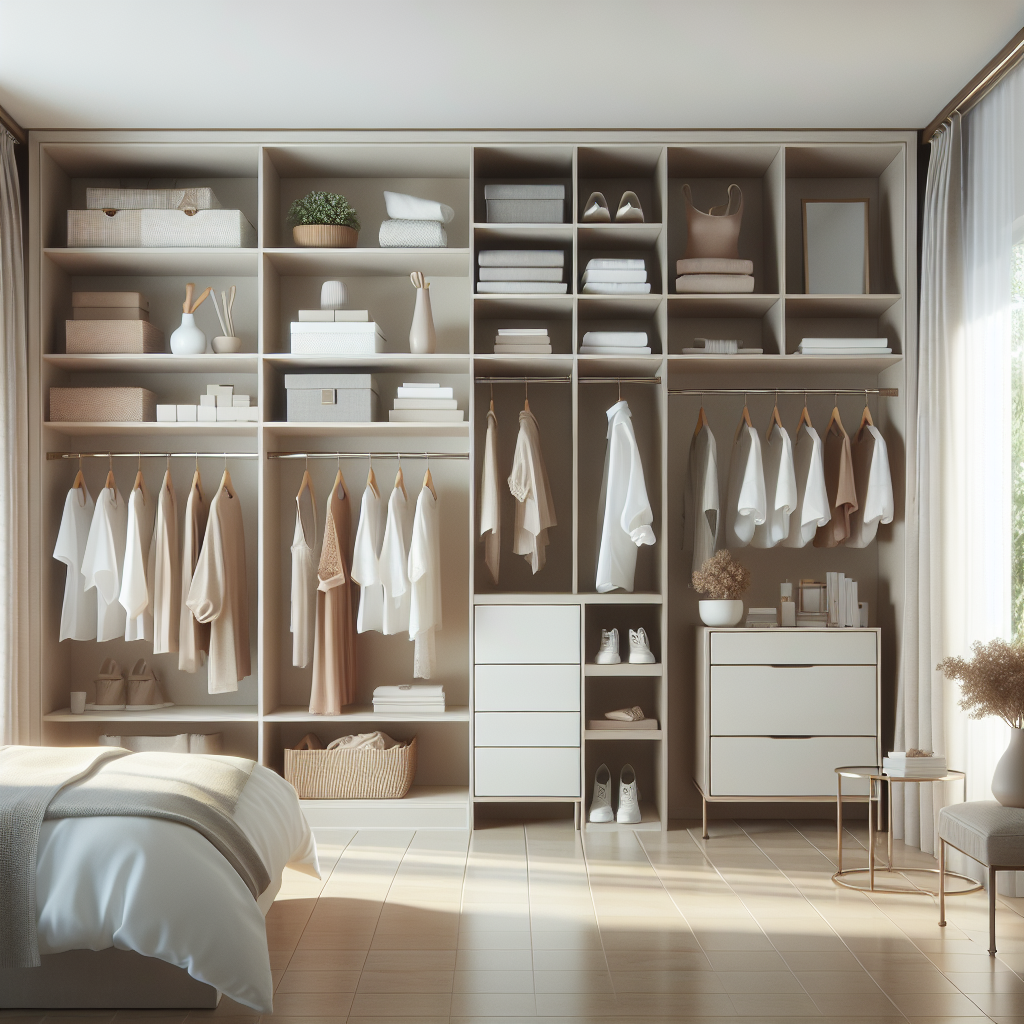
Closet size choices make a big difference in how clothes, shoes and everyday items fit into a bedroom. A few smart measurements up front help avoid crowded hangers, wasted shelf space, and awkward door swings.
This article breaks down common dimension ranges, explains trade-offs between types of closets, and offers placement tips that work in real rooms. Use these numbers as a flexible starting point when planning or updating storage.
Key measurements to start with
Before any layout or built-in pieces, take a few reliable measurements. Ceiling height, wall length available, and the depth you can spare will determine what kind of closet system fits best.
Think in practical ranges rather than single fixed numbers. Below are the most useful metrics to record and consider while planning.
Depth recommendations
Depth affects what hangs neatly and how accessible shelves are. Typical options:
- 20 inches: Bare minimum for hanging if space is tight, but hangers may stick out and clothes can look crowded.
- 24 inches: Standard depth that accommodates most hangers, folded items, and shallow shelving comfortably.
- 30 inches or more: Useful if you want deep shelving, baskets, or a mix of hanging and folded storage on the same wall.
Rod heights and hanging zones
Use zones to separate long garments from shirts and pants. Heights will vary with ceiling height and what you store most.
- Single-hang (long items): Aim for 60–72 inches of vertical space from floor to rod to accommodate coats and dresses.
- Double-hang (short items): Two rods split the wall. Typical vertical spacing places the lower rod around 36–42 inches and the upper rod at about 66–72 inches.
- Specialty items: Reserve a taller zone (over 72 inches) for long coats and gowns if needed.
Shelf spacing and depths
Shelves are for folded clothes, boxes and shoes. Match shelf depth to the items you store and leave a little clearance for easy access.
- General shelving depth: 12–16 inches works for folded clothing and boxes.
- Shoe shelves: 6–12 inches per shelf depending on shoe size and orientation.
- Vertical spacing: Place shelves 10–15 inches apart for folded shirts and sweaters; deeper stacks need more height.
Reach-in closet space and dimensions
Reach-in closets are the most common in bedrooms and come in many widths. They work well when you need a tidy, compact storage solution.
Door choice affects usable depth, while width determines how much hanging and shelving you can fit side by side.
Minimum and typical widths
Width controls arrangement options. Consider these practical bands:
- 36 inches: Narrow but usable for a single hanging rod or stacked shelves. Best when space is limited.
- 48 inches: Common for a double-door reach-in and gives room for more hanging plus a narrow shelving stack.
- 60–72 inches: Provides space for divided zones like double hang on one side and long-hang on the other.
Door types and clearance
Door selection changes how you access everything and how deep your closet needs to be.
- Sliding doors: Save swing space but reduce full access to the interior width at once. Allow at least 24 inches depth behind the door track for effective hanging.
- Bifold doors: Offer wider access than sliding doors and work with standard 24-inch depths.
- Swing doors: Require floor clearance and may need extra front space in the room. They allow full access when open.
Organizing a small reach-in
Even tight reach-ins can be very functional with the right layout.
- Use two-level hanging to double capacity for shirts and pants.
- Add shelves above the rod to use the top 12–18 inches for seasonal items.
- Install shallow drawers or baskets at the floor to keep accessories neat and visible.
Walk-in layouts and circulation
Walk-in closets offer much more flexibility but require attention to circulation, sightlines and how you reach stored items. Planning the walkway width is central to comfort.
Decide whether the space is primarily for dressing or just storage; this choice shapes shelving and island choices.
Minimum sizes and comfortable layouts
Small walk-ins can work well, but size determines functionality:
- 4 ft x 4 ft (48″ x 48″): Tiny walk-in that provides a little room to step in and access two walls of storage. Best used as a compact dressing niche.
- 5 ft x 7 ft: Comfortable for shelves on two sides and hanging on one side, leaving a clear central aisle of about 36 inches.
- 6 ft x 8 ft or larger: Allows for double-sided storage, a central island or bench, and a wider aisle for dressing and handling bulky items.
Aisle clearance and island planning
Aisles should allow you to reach hung items and open drawers without bumping into each other.
- Clear aisle width: Aim for 36–48 inches of clear space in the main circulation path.
- If you add an island: Keep at least 36 inches between the island and surrounding storage to move freely.
- Islands add storage and a work surface, but they reduce overall accessibility if placed too close to hanging zones.
Lighting, mirrors and ventilation
Good lighting and airflow make a walk-in more usable and protect fabrics.
- Use layered lighting: overhead fixtures for circulation and task lighting near drawers or shelving for easier picking.
- Place a full-length mirror or a mirrored door on one wall to check outfits without crowding the floor.
- Ensure some ventilation or occasional airflow to prevent mustiness, especially in enclosed spaces.
Conclusion
Choosing efficient closet measurements is a balance between available room, storage needs and how you use clothing day to day. Small changes in depth, rod height or shelf spacing can greatly improve usability.
Plan in ranges rather than fixed numbers, prioritize the items you wear most, and allocate clear paths in walk-ins so the space feels relaxed rather than cramped.
Frequently Asked Questions
Below are clear answers to common concerns when sizing and arranging closet areas.
What is the ideal depth for hanging clothes?
Around 24 inches is ideal for most hanging clothing and allows hangers to sit naturally without hitting the wall. If you need deeper shelves behind hanging garments, increase depth to 30 inches and stagger storage zones.
How wide should a reach-in closet be for double hang?
To comfortably fit double hanging and still have some shelving, aim for at least 48–60 inches. This width allows two stacked rod zones or one stacked zone plus shelving along the side.
Can a walk-in work in a narrow space?
Yes. A narrow walk-in of about 4 feet deep and 6–7 feet wide can feel roomy if you keep a clear central path and use shallow shelving on both sides. Avoid adding bulky islands in compact walk-ins.
How high should the top shelf be above the rod?
A common setup places a top shelf about 12–18 inches above the rod. That space accommodates boxes or sweaters while keeping items reachable without a stool.
What door type maximizes usable closet space?
Sliding doors save floor space but limit full-width access. Bifold doors and sliding barn doors give wider access without needing as much swing space as standard hinged doors. Choose based on how often you need the whole closet opened at once.