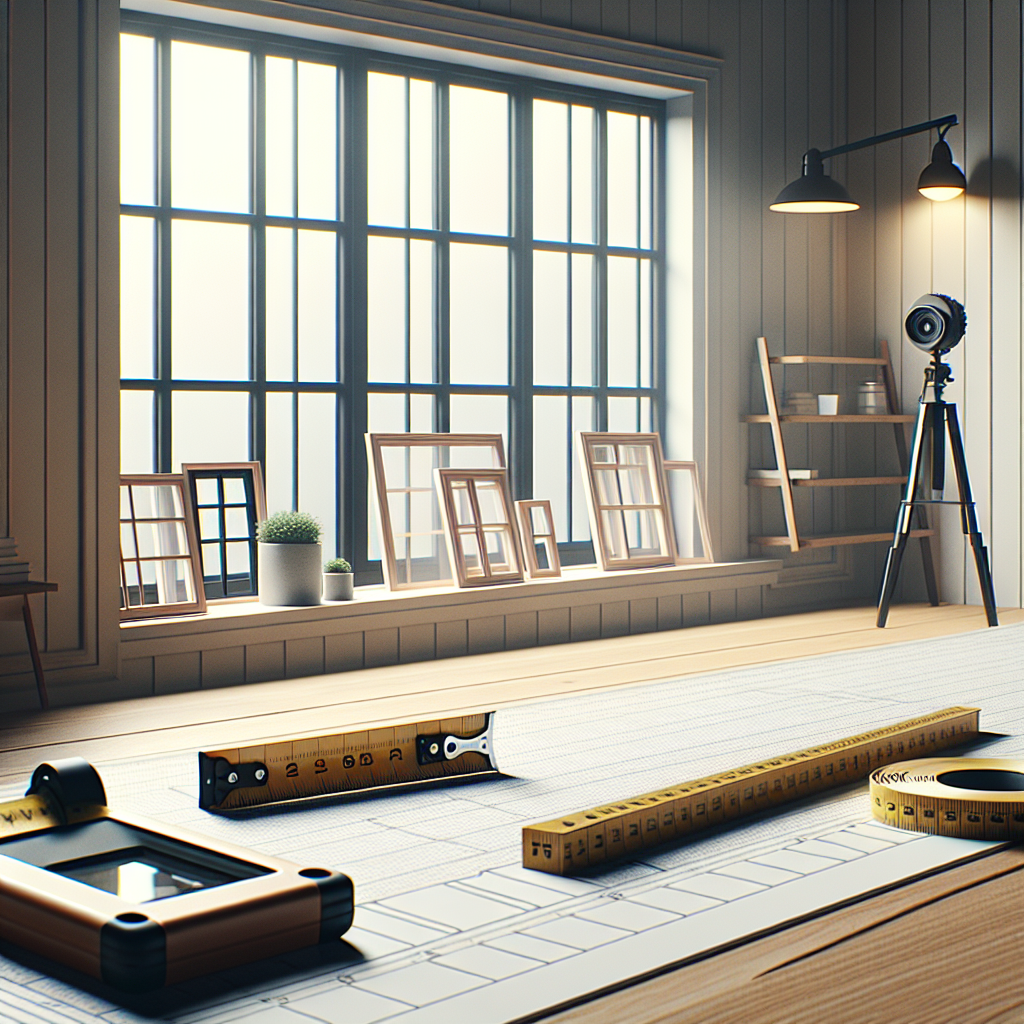
Windows set the tone of a room more than most fixtures. Knowing common measurements and how they relate to style, light, and function makes planning or replacing windows much easier.
This article breaks down typical window sizes, how to measure openings, and what to consider by room so you can choose windows that look right and perform well.
Common window sizes and types
Windows come in a handful of popular shapes and standard size ranges. Manufacturers often offer catalog sizes, which makes ordering quicker and less expensive than fully custom units.
Understanding the typical widths and heights used in homes helps when estimating costs and planning layouts.
Single-hung and double-hung windows
These vertical sliding windows are among the most common in residential homes. Standard widths usually start at 24 inches and go up to 48 inches, while heights span from 36 to 72 inches.
- Common widths: 24″, 28″, 32″, 36″, 42″, 48″
- Common heights: 36″, 44″, 52″, 60″, 72″
Double-hung windows provide top and bottom sashes that move, which can improve ventilation. Single-hung units have a fixed upper sash and a movable lower sash.
Casement and awning windows
Casements swing outward on a side hinge and often come in narrower widths with taller heights. Typical widths range from 18 to 36 inches, while heights commonly fall between 24 and 72 inches.
Awning windows hinge at the top and open outward, often paired with fixed windows above or below to increase light and airflow.
Sliding windows
Sliding units move horizontally and are popular over sinks, in basements, and on patios. Standard two-panel sliding windows often come in widths from 36 to 84 inches and heights from 24 to 60 inches.
Larger sliders may use three or four panels to reach wider openings while keeping some panels operable.
Picture and fixed windows
Fixed windows are used where light and views matter more than ventilation. Sizes vary widely since they can be installed alone or combined with operable units.
Common single-pane fixed windows often follow similar height and width ranges as hung or casement windows, but custom sizing is more frequent.
Measuring windows: what to know before ordering
Accurate measurements prevent fit problems and unexpected costs. There are two main numbers to understand: the finished opening and the rough opening.
Each measurement has a purpose: one tells you the visible frame size and the other the framed hole in the wall.
Rough opening vs finished opening
The rough opening is the framed hole in the wall before the window is installed. It should be slightly larger than the window unit to allow for shimming and insulation.
The finished opening, or visible measurement, is what you see once trim is applied. Window manufacturers list unit sizes that correspond to the frame dimensions, not the rough opening.
- Allow 1/2″ to 1″ of clearance on width and height between the rough opening and the window unit.
- Check the manufacturer’s instructions for exact rough opening requirements.
Tools and steps to measure
A few basic tools are enough: a tape measure, a level, and a notepad. Measure width in three places (top, middle, bottom) and height in three places (left, center, right).
Record the smallest width and height as the true opening size. That reduces the chance of ordering a unit that won’t fit because of out-of-square walls.
- Measure depth if the unit must fit inside an existing frame or recess.
- Note any obstructions like trim, sill protrusions, or interior finishes.
Choosing sizes by room and purpose
The function of a room should influence window size. Bedrooms need egress for safety, bathrooms need privacy and ventilation, and living rooms often benefit from larger glazing for light and views.
Match size to light needs, furniture placement, and exterior balance so windows feel right from inside and outside.
Living and dining areas
Larger windows or grouped units work well here. Consider picture windows flanked by operable sashes to blend daylight with fresh air.
- Tall, wide windows increase daylight and can frame outdoor views.
- Standard combos: two 30″ x 60″ casements beside a 48″ x 48″ picture window is common.
Keep furniture placement in mind; low sills suit sofas and benches, while higher sills allow for storage or radiators below.
Bedrooms and egress rules
Bedrooms require an emergency exit window that meets local code. Common minimum clear opening sizes are about 20 inches wide by 24 inches high for older codes, but many jurisdictions require a 5.7 square foot clear opening.
Check the required minimum net clear opening and how it’s measured (some codes measure on the open sash). Typical casement and double-hung sizes can meet these requirements when chosen carefully.
Bathrooms and kitchens
Privacy and moisture resistance are key. Smaller operable windows above counters or at higher sill heights are common, with frosted glass when needed.
Typical bathroom widths range from 24″ to 36″ with heights 24″ to 48″. Kitchen sink windows often mimic sliding or double-hung sizes that fit above a counter.
Basements, attics, and egress windows
Basement windows are often smaller but must meet egress requirements if a bedroom is present. Egress wells and specific window well dimensions may be needed to comply.
Attic windows tend to be narrower and placed for ventilation and daylight rather than large views.
Energy, safety and local rules to consider
Window size affects energy performance. Larger glass areas increase heat gain and loss, so glazing type and frame performance matter more as window size grows.
Local building codes also set requirements for egress, ventilation, and energy efficiency that can influence what sizes are appropriate.
Glass types and U-factor
Low-E coatings, double or triple glazing, and gas fills help reduce heat transfer. Larger windows benefit from higher-performance glass to maintain comfort and lower energy bills.
U-factor and solar heat gain coefficient (SHGC) ratings are the standard metrics; compare those when choosing windows of different sizes.
Safety glass and tempered requirements
Temperate or laminated glass is often required near doors, tubs, and low sills. Larger panes may need specific safety glazing to meet code.
Consult local regulations or a professional to confirm where tempered glass is mandatory in your area.
Exterior proportions and curb appeal
Measure the exterior façade when planning multiple windows so they align with rooflines, eaves, and other architectural elements.
Balanced groupings, consistent sill heights, and proportional spacing help windows look intentional rather than afterthoughts.
Costs, customization and practical tips
Standard sizes are less costly than custom windows. If a standard unit fits, you save money and reduce lead time.
However, some situations benefit from custom sizes: irregular openings, historic homes, or when precise proportions are needed for aesthetics.
When to choose standard vs custom
Use standard sizes when the wall opening is regular and fits within catalog ranges. Opt for custom when the opening is nonstandard, or the visual effect requires a specific dimension.
- Standard windows: faster, cheaper, widely available.
- Custom windows: exact fit, unique designs, higher cost.
Matching interior trim and finishes
Think about sill depth, casing width, and how the window will meet interior finishes. A window that’s slightly narrower than the opening may need wider trim to cover gaps.
Contractors can advise on trim profiles that hide installation tolerances while keeping a neat appearance.
Ordering tips
Always reconfirm measurements just before ordering, especially on older homes where walls can shift or framing may be uneven.
Ask the supplier for recommended rough opening sizes and installation clearances. If replacing units, note whether the replacement will be full-frame or insert-style.
Conclusion
Knowing common window dimensions and how they relate to room function helps you pick windows that balance light, ventilation, and energy performance.
Measure carefully, consider local rules, and decide whether standard sizes meet your needs or if custom units are worth the extra cost to achieve a precise look.
Frequently Asked Questions
What are the most common window widths?
Typical widths for many residential windows start at 24 inches and go up to 48 inches for operable one- or two-panel units. Sliding and picture windows can be much wider, often from 36 to 84 inches or more in multi-panel configurations.
How do I know if a window meets egress requirements?
Check your local building code, which usually specifies a minimum clear opening area and minimum height or width when the sash is open. Measure the clear opening of the open sash, not the overall frame, to confirm compliance.
Can I use a standard window to replace an old custom opening?
Often yes, if the rough opening can be adjusted slightly or trim can conceal small differences. Large mismatches may require custom units or reframing the opening.
Do larger windows always increase energy costs?
Larger glazed areas can increase heat gain and loss, but using high-performance glass, proper frames, and shading can mitigate energy impacts. Proper installation and insulation around the unit also matter.
What measurement should I give a supplier when ordering?
Provide the exact window unit size you want, and tell the supplier the rough opening dimensions. Many suppliers prefer ordering by the visible frame size (unit dimensions) and will advise the required rough opening for installation.