A damaged foundation can lead to big headaches and surprise bills. Knowing typical price ranges and what affects those numbers helps you plan and respond quickly.
This article lays out realistic cost ranges, signs to watch for, how contractors estimate work, and ways to reduce expenses without cutting corners.
Typical cost ranges and what affects price
Foundation repair costs vary widely based on the problem and the method used. Small fixes can run a few hundred dollars while major structural work can reach tens of thousands.
Key factors include foundation type, soil conditions, access to the site, local labor rates, and whether a structural report or permits are needed.
Common price brackets
Minor repairs and localized fixes: $300 to $3,000. These include simple crack repair, limited sealant or epoxy injections, and small drainage fixes.
Moderate repairs: $3,000 to $15,000. Typical work in this range covers wall stabilization, several piers, or slabjacking to lift a settled section.
Major structural solutions: $15,000 to $50,000+. Full underpinning, extensive pier installations, or large basement wall replacements fall here.
Costs by repair method
Different methods come with different price points and longevity:
- Epoxy or polyurethane crack injection: $300 to $2,000 depending on number and size of cracks.
- Slabjacking (mudjacking): $500 to $1,500 for small jobs; larger jobs scale up by area lifted.
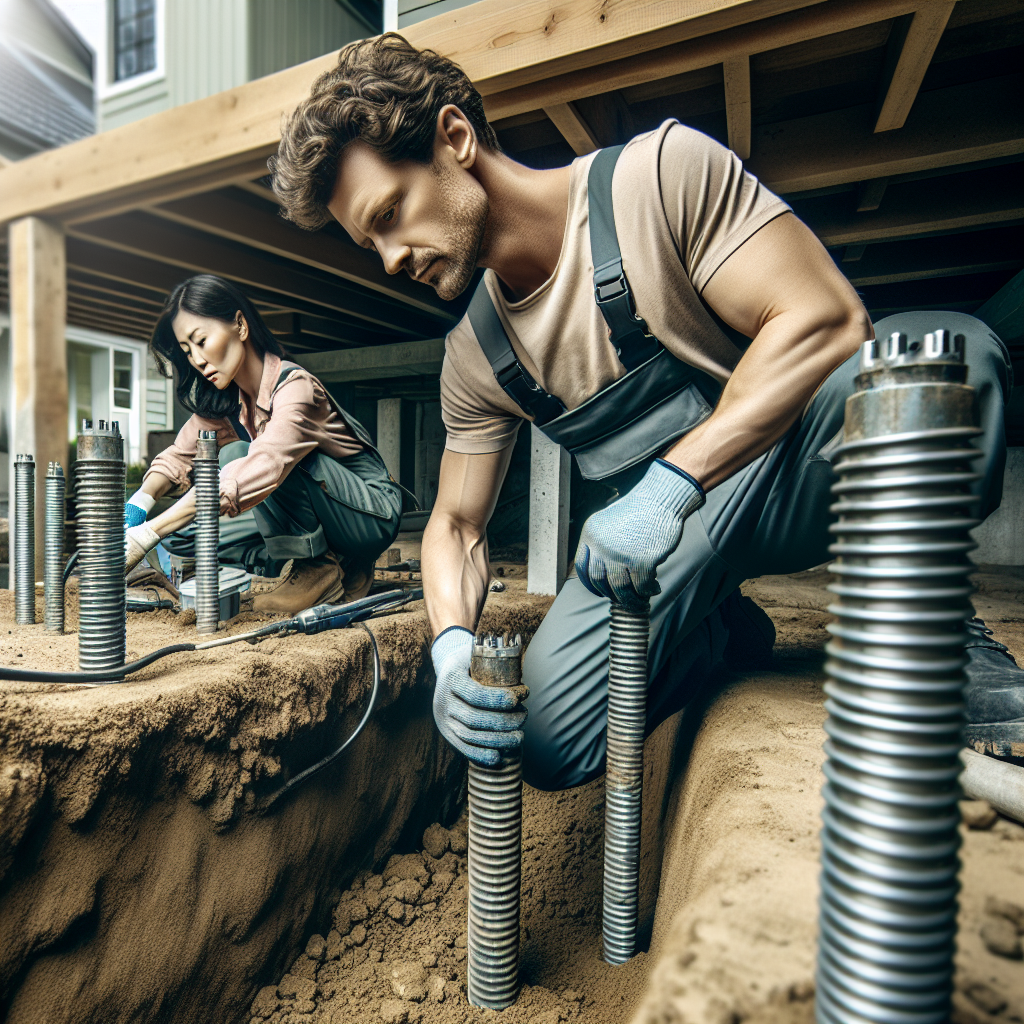
- Helical piers: $750 to $1,500 per pier installed, depending on depth and soil.
- Push or driven piers: $1,000 to $2,500 per pier, often used for deep support.
- Basement wall anchor system: $1,000 to $4,000 per anchor set, depending on wall length and access.
- Full underpinning or complete foundation replacement: $20,000 to $50,000+ for many homes.
Signs you may need foundation work
Early detection lowers costs. Many issues start small and worsen if left alone.
Look for patterns over time rather than a single isolated crack. Document changes and get a professional opinion when multiple signs appear.
Interior warning signs
Doors or windows that stick or no longer latch properly indicate shifts in framing and foundation movement.
Visible cracks in drywall, floors that slope, and gaps between walls and ceiling or between baseboards and floors are common interior signals.
Exterior warning signs
Cracks in masonry, separation at corners, and visible gaps around the foundation reveal stress points. Horizontal cracks in block walls are especially concerning.
Pools of water near the foundation, unusual settling of steps or patios, and leaning chimneys are also telling signs of underlying movement.
How contractors estimate the job
Estimates should break down materials, labor, permits, and additional services like engineering reports. A transparent quote helps you compare offers fairly.
Good contractors often start with a visual inspection, then suggest a deeper assessment if soil or structural concerns appear.
Inspection and testing
A structural inspection by a licensed professional typically costs $300 to $1,000. Soil tests add cost but clarify how deep supports must be driven.
The inspection notes serviceability issues, such as drainage needs and where load-bearing walls may need reinforcement.
Estimate components
Most estimates include: materials (concrete, steel piers, anchors), labor hours, equipment rental, permit fees, disposal, and a contractor markup.
Permits and local code compliance vary by city and can add hundreds to a few thousand dollars to the final bill.
Timeline versus cost
Faster timelines or complex access situations can increase labor costs. Work that requires heavy machinery and road or yard protection will also push prices up.
Seasonal demand affects scheduling. Busy seasons can mean longer wait times but not necessarily higher bids—still, plan for potential delays.
Savings tips and long-term value
Repairing problems early usually saves money and prevents secondary damage like mold or framing rot. Smart planning helps keep cost reasonable.
Look for contractors who provide clear warranties and written scopes. A longer warranty often signals confidence in the work.
Ways to reduce costs
Address water management first: fix downspouts, extend gutters, and regrade soil to keep water away from the foundation.
Get at least three written estimates and compare the scope, not just the bottom line. Cheaper bids may omit necessary steps or use lower-grade materials.
Financing and insurance options
Some repairs can be financed through home equity loans or personal loans. Monthly payment options spread the cost but may add interest over time.
Standard homeowner policies rarely cover wear and settlement, but check for specific endorsements or damage from covered events like floods or sinkholes.
When repair adds long-term value
Quality foundation repair increases home stability and resale value. Buyers often require inspection reports, so clear documentation of repairs helps during a sale.
Consider energy savings too: sealing foundation cracks can reduce drafts and improve HVAC efficiency over time.
Conclusion
Foundation repair cost hinges on the cause, the chosen method, and local factors. Small issues can be fixed affordably, while deep structural work requires a larger investment.
Detect problems early, compare detailed estimates, and prioritize permanent solutions that address both structure and drainage to protect your home.
Frequently Asked Questions
How quickly should foundation cracks be inspected?
Cracks that appear suddenly or widen over weeks deserve prompt attention. Hairline cracks that don’t change may be monitored, but having them checked reduces long-term risk.
Can I get a single price for the whole job?
Contractors can provide a total price once a full inspection and any necessary tests are complete. Be sure the quote lists each task and material so you know what is included.
Will fixing drainage problems stop foundation movement?
Improving drainage addresses a common cause of movement and often prevents further settling, but existing structural damage may still need support systems like piers or anchors.
Is a structural engineer always required?
Not always, but an engineer report is valuable for major repairs and when lenders or local codes require documented solutions. It adds upfront cost but reduces uncertainty.
How long do foundation repairs last?
Durability depends on the method and site conditions. Properly installed piers and wall systems can last decades. Ongoing drainage maintenance helps preserve repairs.
Can I do small foundation fixes myself?
Minor tasks like improving surface drainage or sealing small cracks with appropriate products can be DIY. Structural fixes and pier installations should be left to licensed professionals.