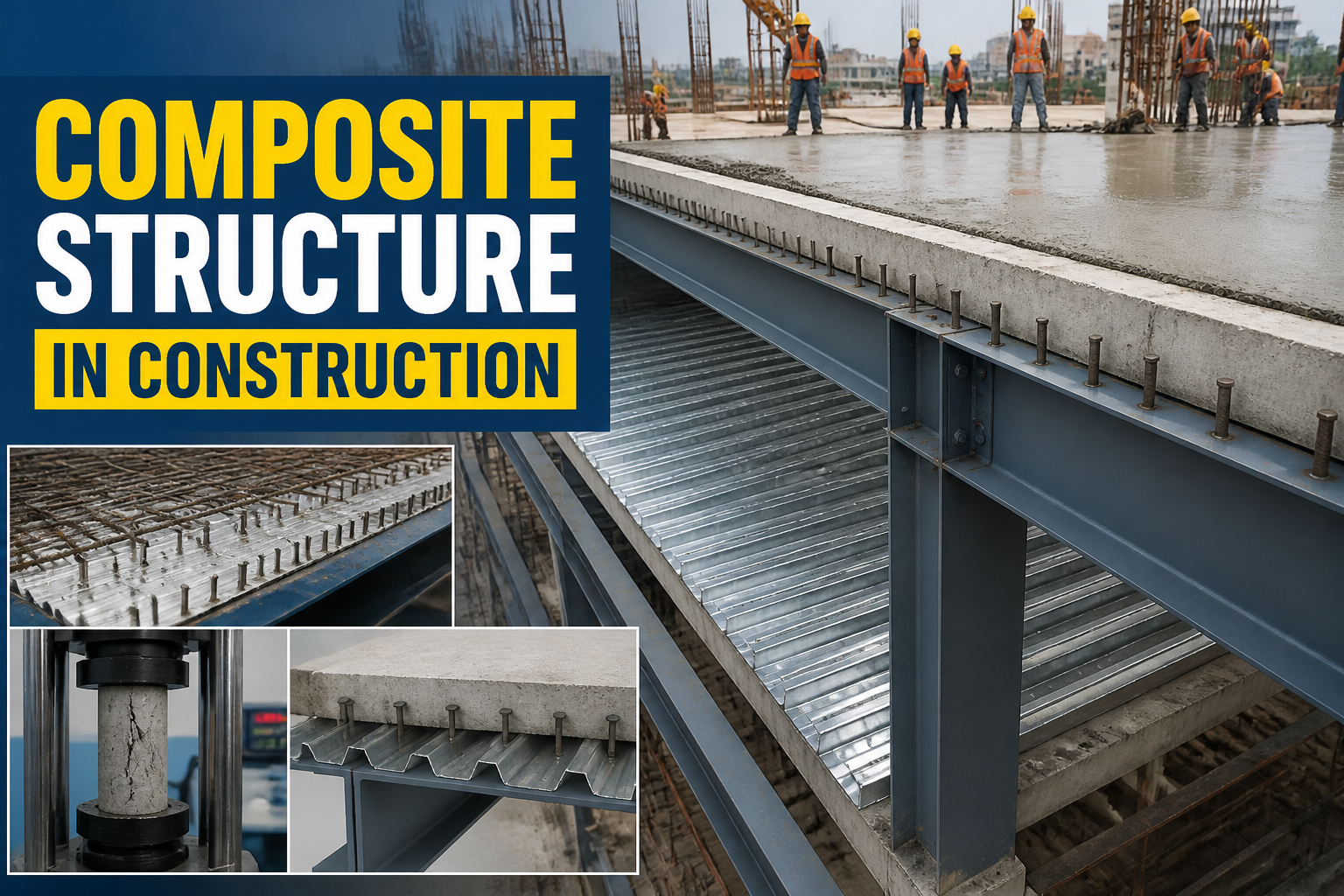
Composite structures in construction integrate two or more different materials to create a single structural element with improved performance characteristics. This innovative approach allows engineers to leverage the strengths of each material, resulting in structures that are both lighter and more durable. The increasing popularity of composite structures can be attributed to their ability to meet diverse architectural and engineering demands while maintaining cost-effectiveness and sustainability.
Understanding composite structures involves a deep dive into their types, design considerations, applications, and essential construction procedures. This article will expand on these areas and provide insight into how to effectively utilize composite structures in modern construction projects.
Types of Composite Structures
Composite structures can be classified into several categories based on the materials used and their configurations. The most prevalent types include:
- Reinforced Concrete: This is a combination of concrete and steel reinforcement, providing both compressive and tensile strength.
- Steel-Concrete Composite: This design uses steel beams and concrete slabs, allowing for efficient load distribution and increased stability.
- Fiber Reinforced Polymers (FRP): Comprising a polymer matrix reinforced with fibers, FRP is commonly used for structural components with high strength-to-weight ratios.
- Timber-Concrete Composite: This system combines timber beams with concrete, capitalizing on the lightweight properties of timber and the compressive strength of concrete.
Key Design Considerations
The design of composite structures involves multiple factors, including material selection, load considerations, and environmental impacts. Here are some crucial elements that need to be addressed:
Material Properties
When designing composite structures, understanding the physical and mechanical properties of each material is essential. These properties influence load capacity, durability, and your composite structure’s overall longevity. Typical materials to consider include:
- Concrete: Known for its compressive strength but low tensile strength.
- Steel: Offers high tensile strength and ductility.
- FRP: Provides excellent corrosion resistance and high tensile strength.
- Wood: Lightweight, but variable strength and moisture sensitivity.
Load Analysis
Composite structures should be designed to withstand various loads, including dead loads (permanent/static) and live loads (temporary/dynamic). Understanding the load distribution is critical in ensuring structural integrity. The basic formula for determining load capacity is:
| Load Type | Load Calculation Formula |
|---|---|
| Dead Load | DL = 𝜌 x V (where 𝜌 is the density and V is the volume) |
| Live Load | LL = A x L (where A is area and L is load per area) |
Construction Procedures
The construction of a composite structure follows a series of systematic steps that ensure quality and compliance:
Preparation and Planning
Before construction begins, it is essential to conduct site investigations and prepare detailed drawings based on design specifications. This initial step ensures that all site conditions are accounted for, including soil characteristics and environmental regulations.
Material Selection
Choosing the right materials is critical. Factors such as cost, availability, and performance under expected loads should guide this decision. For instance, if corrosion risk is high, opting for FRP or galvanized steel is advisable.
Quality Checks
Throughout construction, continuous quality checks should be employed to ensure all materials meet specified standards. Common checks include:
- Compression tests for concrete
- Tensile strength tests for steel
- Visual inspections for timber elements
Applications of Composite Structures
Composite structures are utilized across various construction segments due to their versatility and effectiveness:
- Bridges: Light and strong, composite materials reduce the dead load and extend lifespan.
- Buildings: High-rise buildings often incorporate composite beams for better space utilization and reduced material use.
- Industrial Applications: Factories and warehouses benefit from composite flooring that ensures durability under heavy loads.
Common Mistakes in Composite Construction
Understanding potential pitfalls is key to successful execution:
- Neglecting Load Factors: Failure to accurately calculate loads can result in structural failures.
- Inadequate Joint Treatments: Poorly designed joints can compromise the integrity of composite structures.
- Ignoring Material Compatibility: Selecting mismatched materials can lead to unexpected reactions that degrade performance.
FAQs
What is the meaning of composite structure in construction?
A composite structure in construction refers to a system that combines multiple materials—such as steel and concrete—to enhance structural performance compared to individual materials.
What is the procedure for constructing composite structures?
The construction procedure encompasses proper planning, material selection, execution with adherence to design specifications, and ongoing quality assurance.
What equipment is typically used in composite construction?
Heavy machinery such as cranes, concrete mixers, and specialized tools for framing and assembly of composite materials are essential in this construction process.
Are there any formulas used in composite structure design?
Yes, fundamental formulas for load calculations, such as those for determining dead loads and live loads, guide the design and analysis of composite structures.
What are the primary applications of composite structures?
Composite structures are widely used in bridges, high-rise buildings, and various industrial settings, providing strength while minimizing weight.
In conclusion, composite structures in construction play a significant role in contemporary engineering by marrying the strengths of different materials to create innovative and efficient systems. By understanding their types, design considerations, and proper construction procedures, engineers and construction professionals can ensure the success of their projects.