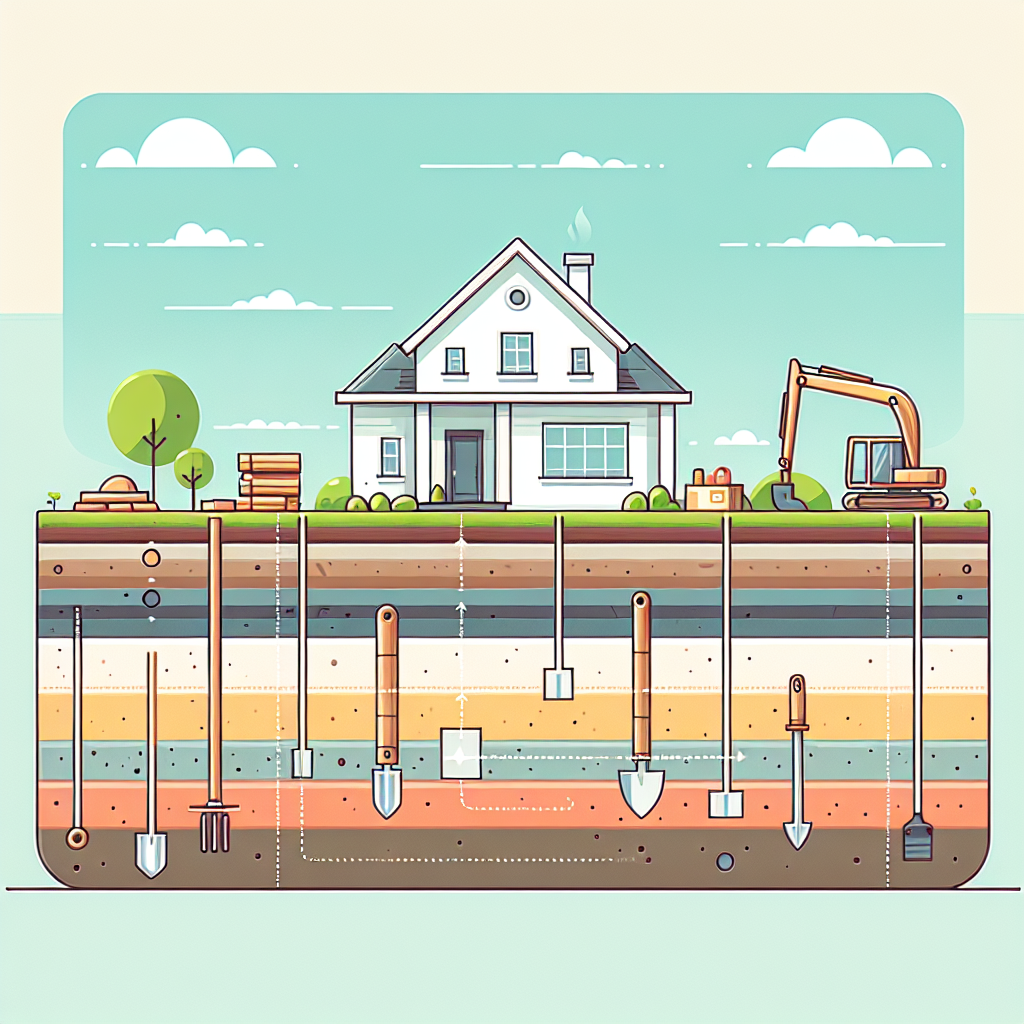
Foundations settle and shift over time, and small issues can turn into big problems if left unchecked. Understanding the common repair choices helps homeowners make better decisions when problems appear.
This article explains the main foundation repair methods, what signs to watch for, typical costs and timelines, and how to choose the right approach for your situation.
Signs of foundation problems
Not all foundation issues are dramatic. Often the earliest clues are subtle changes you can spot inside or outside the house.
Noticing a pattern of small symptoms early can prevent more costly fixes later. Here are common indicators that a foundation needs attention.
Interior clues
Cracks in drywall or plaster near doors and windows, gaps between trim and walls, and doors that stick or fail to latch can signal foundation movement.
Floors that slope or feel uneven and new cracks in tile or concrete floors also deserve inspection.
Exterior clues
Exterior cracks in brickwork, mortar separation, and visible gaps where the house meets the foundation are clear red flags.
Stair-step cracks in masonry, bowing or leaning foundation walls, and water pooling near the foundation are additional warning signs.
Common repair methods
There is no single fix that fits every situation. The right method depends on soil type, the structure of the home, the severity of movement, and water conditions.
Below are the most widely used repair techniques, how they work, and when they are appropriate.
Underpinning with concrete
Underpinning strengthens an existing foundation by extending it to firmer soil below the disturbed layer. Sections of the foundation are excavated and new concrete footings are poured beneath.
This approach is durable and well suited to older homes with shallow footings or where the soil has lost bearing capacity.
Steel or helical piers
Piers transfer the building load to stable soil or bedrock. Steel push piers are driven, while helical piers are screwed into the ground.
These systems are effective when soil erosion or poor compaction caused settling. They can also be used to lift and stabilize settled foundations.
Slabjacking and foam injection
Slabjacking injects a grout mix beneath sunken slabs to raise them, while modern polyurethane foam injection uses expanding foam for the same result.
These methods are fast, minimally invasive, and often less expensive than deep pier systems. They work best when the slab itself is the main issue and the underlying soil has not shifted dramatically.
Wall anchors and braces
Bowing or leaning foundation walls can be stabilized with wall anchors and braces. Anchors are installed in the ground outside and connected to interior wall plates to pull the wall back slowly.
This solution is practical when pressure from saturated soil is pushing walls inward and the goal is to stop further movement rather than replace the wall.
Drainage improvements and waterproofing
Often, water is the root cause of foundation problems. Improving site drainage, fixing downspouts, installing gutters, and adding exterior waterproofing can halt or reduce soil movement.
Combining drainage fixes with structural repairs improves long term results by addressing both cause and effect.
How costs and time vary
Repair costs and timelines depend heavily on the chosen method, the extent of damage, and site conditions. Budgeting with realistic ranges helps avoid surprises.
Below are common factors that influence price and schedule so you can set expectations before you start work.
Factors that affect cost
- Type of repair: shallow fixes like slabjacking generally cost less than deep pier systems.
- Extent of damage: large areas or multiple entry points increase materials and labor.
- Soil conditions: rocky or inaccessible sites raise costs due to added difficulty.
- Accessibility: landscaping, decks, or hardscaping that need removal will add expense.
Typical timelines
Small localized repairs might take a day or two, while extensive underpinning, pier installations, or major wall repairs can stretch to several weeks.
Permits and inspections add time, so allow extra days when planning. Weather and site access can also affect schedules.
Choosing the right fix
Pick a solution that addresses both the visible damage and the underlying cause. Temporary fixes without addressing drainage or soil problems often lead to repeat issues.
Consulting experienced professionals who can assess soil conditions and structural concerns will help match a repair method to your home.
When a structural inspection is useful
A detailed inspection with measurements of movement and an evaluation of soil and water patterns clarifies whether stabilization, lifting, or drainage work is required.
Good inspections include monitoring over time when movement is slow or seasonal. This prevents unnecessary heavy work when minor adjustments will do.
DIY considerations
Some homeowner tasks, like improving surface drainage, repairing gutters, and patching small cracks, are suitable for do it yourself work.
Structural repairs and work that affects load bearing elements should be left to experienced teams equipped with the right gear and knowledge.
Conclusion
Foundation problems are manageable when caught early and approached with the right method. Understanding options, likely costs, and the cause of movement helps make repairs more durable.
Address both symptoms and root causes, especially water and soil issues, to protect the investment in the home and avoid repeat work down the road.
Frequently Asked Questions
Below are common questions homeowners ask when they spot foundation problems. Answers focus on practical expectations and typical outcomes.
How long do foundation repairs usually last?
When the correct method is applied and underlying causes are resolved, many repairs last decades. Durability depends on soil stability, proper installation, and ongoing maintenance of drainage systems.
Can small cracks be ignored?
Hairline cracks in plaster or concrete can be cosmetic, but they should be monitored. Widening cracks, stair-step masonry cracks, or cracks accompanied by shifting doors indicate structural concern and deserve prompt attention.
Will lifting a foundation fix interior cracks?
Raising a settled foundation can reduce stress and help close gaps, but interior finishes may still need repair. Some cosmetic work like drywall repair, painting, or trim adjustments is often necessary after structural stabilization.
Is one repair method better than others?
No single method is best for every case. The right approach depends on soil conditions, extent of movement, budget, and long term goals. A thoughtful assessment leads to the most effective choice.
How can I prevent future foundation problems?
Maintain consistent soil moisture around the foundation, ensure gutters and downspouts direct water away from the house, and avoid planting large trees too close to the foundation. Regular inspections help catch issues early.