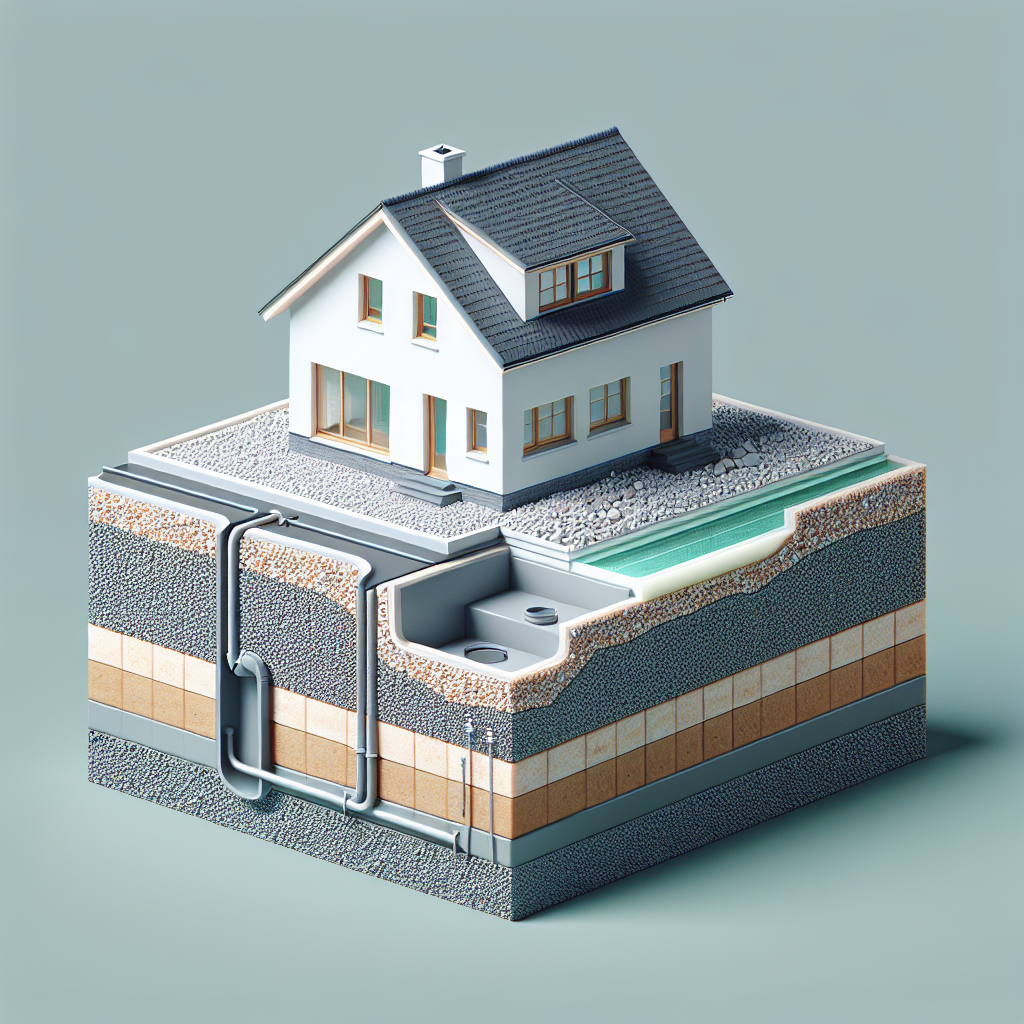
Moisture at the base of a house can start small but grow into big problems if not addressed. Knowing the common ways to keep water out helps you protect structure, belongings, and indoor air quality.
This article explains practical waterproofing approaches, what each one does well, and how to choose an option that fits your property and budget.
Why protecting a foundation matters
A wet foundation can damage concrete, rust steel, and rot wood over time. Even slow seepage causes mold and mildew, which harm indoor air and can trigger health issues.
Keeping water away from foundation walls and floors preserves the structure and limits the need for costly repairs later. Small fixes now often avoid major work down the road.
Common waterproofing methods and how they work
There are several widely used approaches. Each targets water differently — some stop it outside the wall, others manage it inside.
Below are the main options, with a quick look at how they perform and where they fit best.
Exterior membrane systems
These systems place a continuous barrier on the outside of foundation walls. Typically a thick sheet or liquid membrane is applied to block water before it meets the wall.
Exterior membranes are effective at preventing long-term penetration. They work best when installed during new construction or when excavation to the foundation is possible.
Drainage and perimeter systems
Drainage methods channel water away from the foundation. Perimeter drains and gravel beds route water to a safe outlet, like a storm drain or a sump pump.
Drainage is essential in wetter soils. Even with a membrane, a good drainage layer reduces hydrostatic pressure that forces moisture through cracks.
Interior sealants and coatings
Interior systems include cementitious coatings and epoxy-like sealers that block moisture from showing up on basement walls and floors. They are applied on the inside surface.
Interior coatings are less invasive and often cheaper up front. They handle dampness and small leaks but do not stop water pressure from the outside.
Sump pumps and interior drainage
Sump systems collect water that enters the crawlspace or basement and pump it out. They are paired with interior drains or collection channels to direct water to the sump.
These systems are commonly used where exterior excavation is impractical. They manage water after it arrives rather than preventing it entirely.
Crystalline and penetrating treatments
Cement additives and penetrating crystalline products react with moisture and concrete to block capillary pathways. They become part of the structure.
Such treatments are useful for hairline cracks and capillary damp. They offer long-term performance without altering the wall surface dramatically.
Pros and cons of each approach
No single method fits every property. Comparing benefits and limits helps pick the right combination for your case.
Consider durability, cost, disruption, and the type of water problem you face when weighing options.
Advantages of exterior systems
These usually offer the most robust long-term protection because they stop moisture before contact with the wall. They also lower groundwater pressure.
However, exterior work involves excavation, which is disruptive and more costly. Access around the foundation may be limited on some properties.
Strengths of interior methods
Interior coatings and drains are less expensive and quicker to install. They avoid digging around the house and can often be done room by room.
The downside is that they accept water entry and then manage it. They don’t reduce external hydrostatic pressure and may require more ongoing maintenance.
When drainage and sump systems are best
Use these in areas with high water tables or where surface water pools near the house. They give active control over water that reaches the foundation.
Sump pumps need power and occasional attention, but they are reliable when matched with proper drainage.
Using crystalline treatments
These are a low-profile option that strengthens concrete and blocks small channels that carry moisture. They are often used with other systems.
While effective against seepage, they are not a complete solution for large cracks or high water pressure.
How to choose the right approach
Look at soil, slope, existing damage, and budget limits before deciding. A few checks reveal the most suitable path.
Often a combination — such as an exterior membrane plus interior drainage — gives the best balance of protection and cost.
Soil and site factors
Clay soils hold water and increase pressure on walls. Sandy soils drain quickly and may pose less risk. Slopes towards the house funnel water to the foundation.
Inspect downspouts, grading, and nearby landscaping. Solving surface water problems is often the simplest first step.
Budget and long-term costs
Upfront cost is not the only number to consider. Long-term repair bills, energy losses, and mold remediation add up if water issues persist.
Balance initial expense with expected life span and maintenance. A durable exterior system may cost more now but lower lifetime costs.
Maintenance and access
Think about how easy it will be to inspect and maintain any system. Sump pumps, for example, need checks and a backup power plan in some climates.
Interior systems allow easier checks, while exterior membranes may be out of sight and out of mind after installation.
Installation basics and practical tips
Proper installation determines how well a solution performs. Small errors can make even the best materials fail over time.
Here are practical steps and considerations to keep performance high and avoid surprises.
Site preparation and excavation
When working outside, ensure proper drainage around the foundation before applying membranes. Remove debris and level the excavation trench.
Compaction and a drainage layer are crucial. Without them, water can still collect at the base of the wall.
Applying interior coatings and sealants
Clean and repair surfaces before coating. Sealants bond best to dry, sound concrete, and cracks should be injected or patched first.
Follow manufacturer instructions on thickness and cure time. Multiple coats may be needed for long-term protection.
Drain and sump placement
Perimeter drains should sit at the footing level to collect water before it rises into the floor slab. Sumps must be sized to handle expected inflow.
Consider adding a battery backup or backup pump in flood-prone areas to keep the system running during outages.
Simple upkeep tasks
- Keep gutters and downspouts clear to move water away from the foundation.
- Maintain exterior grading so the ground slopes away from the house.
- Test sump pumps seasonally and inspect interior drains for blockages.
- Look for fresh stains, peeling paint, or new efflorescence on walls that hint at moisture.
Conclusion
Protecting the foundation means managing water both outside and inside. The right mix of membrane, drainage, and interior protection depends on soil, budget, and access.
Thoughtful inspection and targeted fixes prevent small damp spots from becoming major repairs. Regular checks and maintenance keep any system working longer.
Frequently Asked Questions
How do I know if water is coming through the foundation?
Look for damp patches, white powdery deposits (efflorescence), peeling paint, musty smells, or water stains. Pooled water or a drop in comfort indoors also points to a problem.
Can interior coatings stop serious leaks?
Interior coatings handle light seepage and dampness well. For serious leaks caused by high external pressure, interior coatings are often a temporary fix unless paired with better drainage.
Are exterior membranes worth the cost?
They are usually worth it when long-term protection is the goal. Exterior membranes reduce water pressure and can extend the life of the foundation, though they require excavation.
Do sump pumps need backup power?
In areas prone to storms or long outages, backup power or a battery backup is recommended. Sumps are only effective if they can run when needed most.
How often should I inspect my waterproofing system?
Inspect gutters and grading twice a year and check sump pumps and interior drains seasonally. Perform a full check after heavy rains or nearby construction work.
Can landscaping changes help reduce foundation moisture?
Yes. Proper grading, directing downspouts away from the house, and avoiding planting water-loving beds near the foundation can significantly reduce moisture risk.