In the construction industry, ensuring the safety of site workers is paramount. Construction safety training topics must be relevant to the tasks and hazards that workers encounter daily. A well-structured safety training plan tailored to these topics not only promotes a culture of safety but also reduces the likelihood of incidents and injuries on-site. In this article, we will explore key construction safety training topics, presenting a practical list for induction, refresher courses, and short training sessions.
Importance of Tailored Construction Safety Training
Construction safety training is not a one-size-fits-all approach. Effective training programs must align with the specific hazards workers face, including the use of personal protective equipment (PPE), electrical hazards, lifting techniques, fire response, and incident reporting. By focusing on these critical areas, employers can enhance worker safety awareness and competence.
Key Construction Safety Training Topics
- Personal Protective Equipment (PPE)
- Types of PPE: Hard hats, gloves, goggles, and high-visibility clothing.
- Proper use and maintenance of PPE.
- Importance of wearing PPE relevant to specific tasks.
- Electrical Hazards
- Identification of electrical hazards on construction sites.
- Safe practices when working near live wires and equipment.
- Understanding lockout/tagout procedures.
- Emergency response to electrical shock incidents.
- Lifting and Material Handling
- Safe lifting techniques: Proper body mechanics and posture.
- Use of hoists, winches, and cranes: Basic operational training.
- Assessment of load stability and weight limits.
- Fire Safety and Emergency Response
- Fire prevention measures on construction sites.
- Identification of potential fire hazards.
- Emergency procedures: Evacuation routes and muster points.
- Use of fire extinguishers: Types and appropriate use.
- Incident Reporting and Investigation
- Importance of reporting incidents, near misses, and unsafe conditions.
- Steps involved in reporting and documenting incidents.
- Root cause analysis: Understanding how to prevent future incidents.
Creating Your Safety Training Plan
Developing an effective safety training plan involves assessing the unique hazards of your construction site. Consider the tasks that workers perform and the associated risks. Incorporate the following steps into your training plan:
- Conduct a detailed hazard assessment of the worksite.
- Identify relevant training topics based on the assessment results.
- Determine the frequency of training refreshers required to maintain knowledge and compliance.
- Utilize different mediums for training delivery, such as hands-on workshops, online modules, or classroom settings.
- Evaluate the effectiveness of the training and adjust the curriculum as necessary.
Enhancing Worker Safety Awareness
Worker safety awareness is crucial for fostering a safety-first culture in construction. Here are effective strategies to enhance awareness:
- Regular safety meetings to discuss ongoing safety concerns and updates.
- Visual aid materials: Posters, signage, and flyers to reinforce safety messages.
- Incorporating real-life incident case studies to emphasize the importance of adherence to safety protocols.
- Encouraging workers to share their safety concerns and suggestions.
FAQs about Construction Safety Training Topics
What are the most crucial construction safety training topics?
The most crucial topics include PPE usage, electrical hazards, lifting techniques, fire safety, and incident reporting.
How often should safety training be conducted?
Safety training should be conducted regularly, ideally at least annually, with additional sessions for new hires or when introducing new equipment or procedures.
Who is responsible for providing construction safety training?
The responsibility typically falls on employers, but it can also involve safety officers or third-party training organizations.
How can I measure the effectiveness of a safety training program?
Effectiveness can be measured through incident rates, feedback from participants, and assessments or quizzes after training sessions.
What is the role of a safety officer on a construction site?
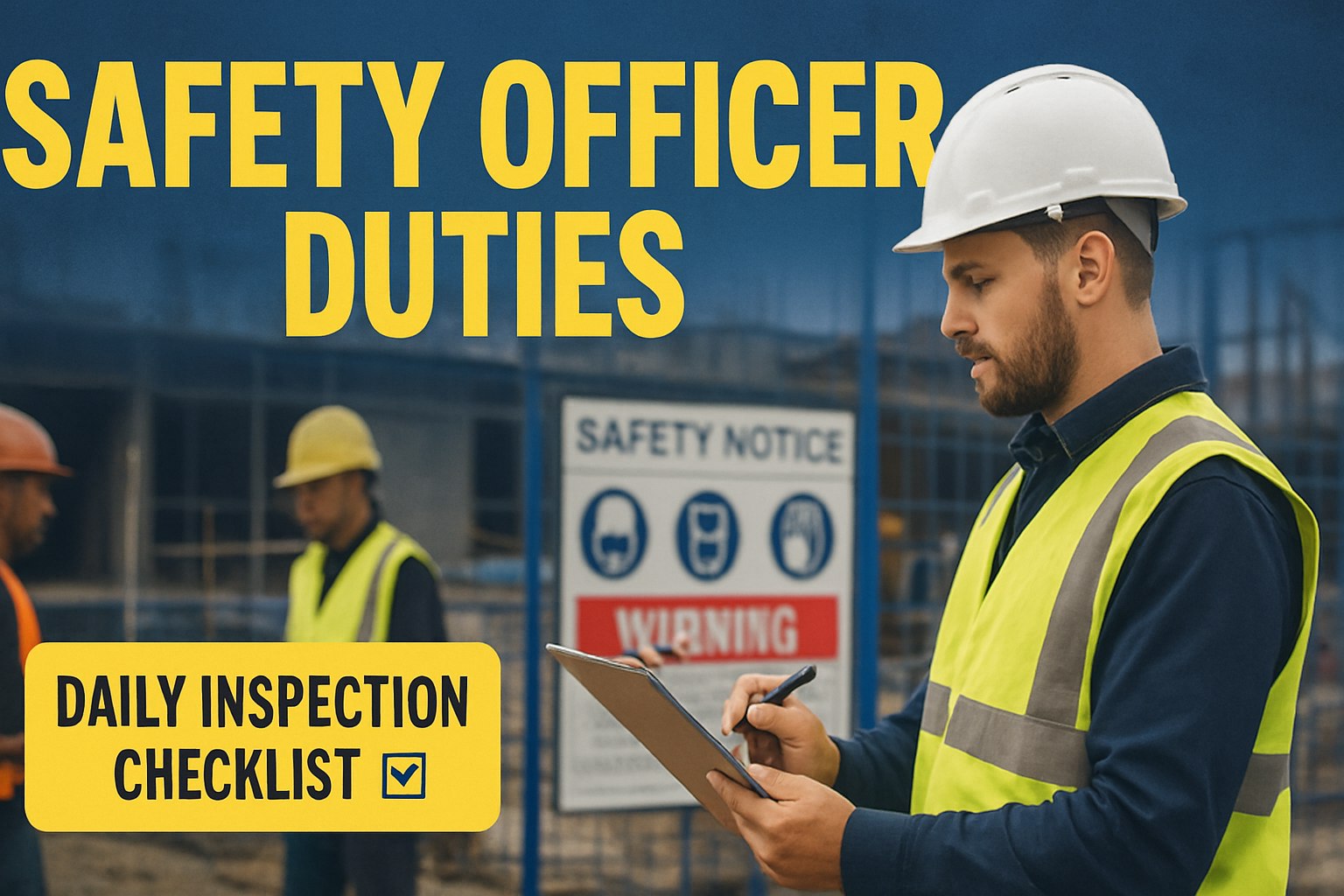
A safety officer is responsible for monitoring compliance with safety regulations, conducting training, and promoting a culture of safety among workers.
Are there any specific regulatory standards for construction safety training?
Yes, regulatory standards such as OSHA in the United States provide guidelines for required training topics and protocols.
Conclusion
Construction safety training topics are essential to the protection and well-being of site workers. By tailoring training to relevant hazards and ensuring the use of practical, effective techniques, construction professionals can significantly reduce the risk of accidents and enhance the overall safety culture on-site. Investing in robust safety training not only benefits workers but also contributes to the success of construction projects.