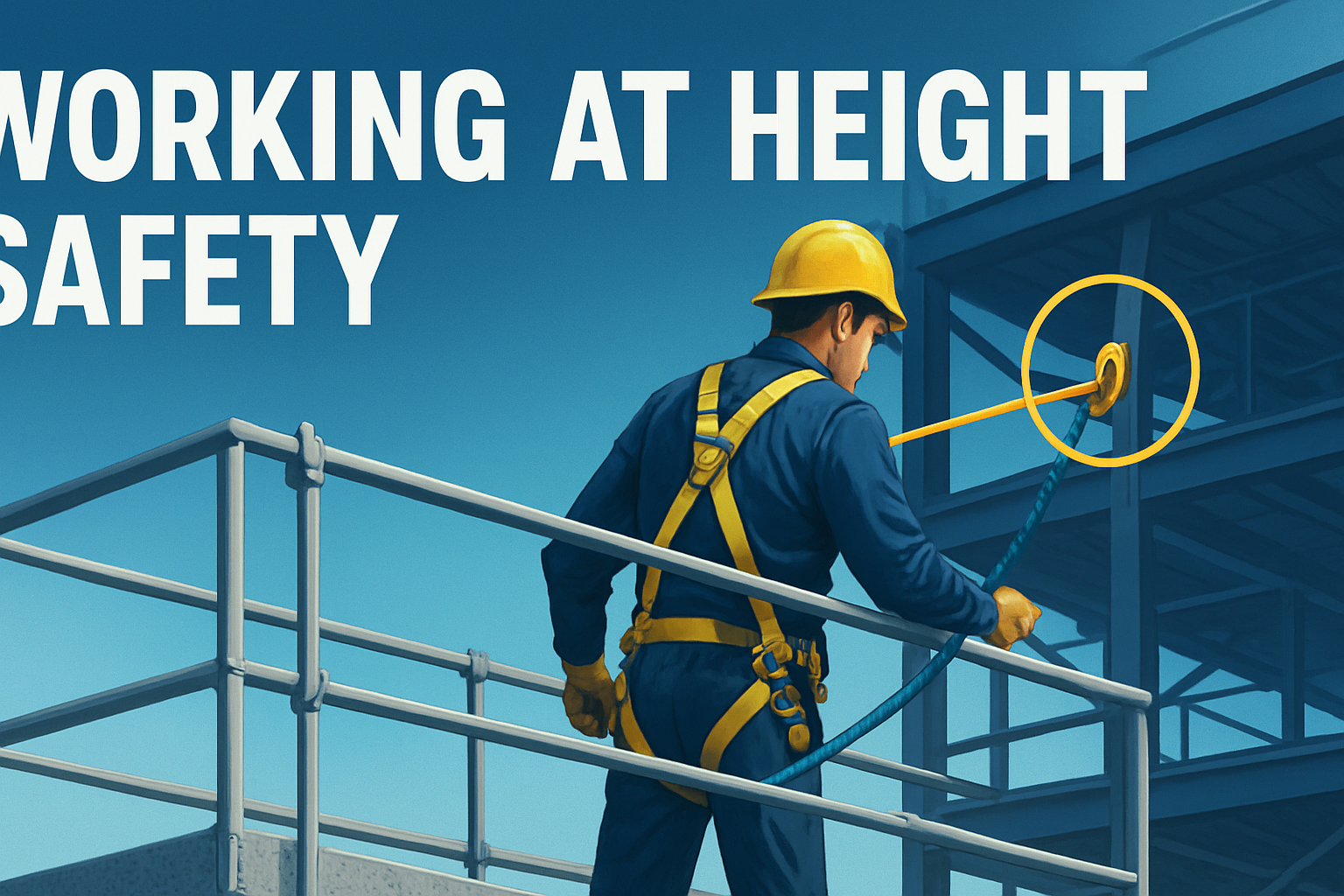
A fall protection plan is a critical document that outlines the strategies and measures necessary to prevent fall hazards on construction sites. It serves as an essential guide for ensuring the safety of workers engaged in elevated work, complying with regulations, and maintaining a safe job site. In this article, we will review the key components of an effective fall protection plan, the necessary elements of a fall prevention plan, and the responsibilities assigned to various personnel involved in construction height safety.
Understanding the Fall Protection Plan
The primary purpose of a fall protection plan is to identify potential fall hazards and outline measures to mitigate these risks. According to the Occupational Safety and Health Administration (OSHA), any workplace where employees are exposed to fall hazards needs to have a comprehensive fall protection plan in place. This document is particularly important in construction, where workers often operate at heights that pose significant risks.
A well-structured fall protection plan typically includes an analysis of the job site, identification of fall hazard controls, and a detailed explanation of how workers will be protected while performing their tasks. By addressing these key areas, construction professionals can create a safer work environment, reduce the risk of accidents, and ensure compliance with relevant safety regulations.
Main Sections of a Fall Protection Plan
When developing a fall protection plan, several key sections should be included:
- Site Analysis: A detailed evaluation of the construction site, identifying specific areas where fall hazards exist.
- Fall Hazard Controls: Description of the measures and equipment that will be used to control identified fall hazards, including guardrails, safety nets, and personal protective equipment (PPE).
- Responsibilities: Designation of responsible persons for implementing the plan, monitoring compliance, and performing equipment checks.
- Training Requirements: Outline of required training for workers on fall prevention and safety procedures.
- Emergency Rescue Plan: A clear plan for emergency rescues in case of falls, including designated rescue personnel and equipment.
1. Site Analysis
The first step in creating a fall protection plan is conducting a thorough site analysis. This involves assessing the work area for potential fall hazards which can include:
- Unprotected edges of elevated surfaces
- Openings in floors and roofs
- Slippery or uneven surfaces
- Unsafe scaffolding or ladders
2. Fall Hazard Controls
Once fall hazards are identified, implementing effective controls is crucial. Common fall hazard controls include:
- Guardrails: Installed at the edges of elevated platforms to prevent falls.
- Safety Nets: Placed below work areas to catch falling workers or materials.
- Personal Fall Arrest Systems (PFAS): Comprising harnesses, lanyards, and anchor points to secure workers during elevated tasks.
3. Responsibilities
Designating responsibility for the fall protection plan is essential. Key roles typically include:
- Site Coordinator: Oversees the entire construction project and ensures adherence to the fall protection plan.
- Safety Officer: Responsible for safety training, inspections, and compliance monitoring.
- Workers: Required to adhere to the fall protection plan and utilize provided safety equipment.
4. Training Requirements
Effective training programs are vital for the successful implementation of the fall protection plan. Training should cover:
- Recognizing fall hazards
- The correct use of personal protective equipment
- Emergency procedures in case of a fall
5. Emergency Rescue Plan
An emergency rescue plan outlines the procedures to follow in the event of a fall. This plan should include:
- Identification of rescue team members
- Defined rescue methods and equipment
- A clear communication plan
Fall Protection Plan Template
A fall protection plan template can aid construction professionals in establishing a uniform approach to safety. While specifics may vary by project, a basic template might include:
- Project Overview
- Scope of Work
- Site Analysis Findings
- Risk Mitigation Strategies
- Assigned Responsibilities
- Training and Equipment Requirements
- Emergency Rescue Procedures
FAQs
1. What is a fall protection plan?
A fall protection plan is a documented strategy that outlines how fall hazards will be identified and mitigated in a construction environment, ensuring worker safety.
2. What are common fall hazards on construction sites?
Common fall hazards include unprotected edges, scaffolding, ladders, roof openings, and slippery surfaces.
3. What is the difference between a fall protection plan and a fall prevention plan?
A fall protection plan includes specific procedures for protecting workers during fall incidents, while a fall prevention plan focuses on measures to prevent falls from occurring.
4. Why is training important in a fall protection plan?
Training ensures that workers understand fall hazards, know how to use safety equipment properly, and are prepared to respond in emergency situations.
5. How often should a fall protection plan be reviewed?
A fall protection plan should be reviewed regularly and updated whenever there are changes to the project or site conditions.
Conclusion
In conclusion, creating an effective fall protection plan is crucial for ensuring the safety of workers at construction sites. By conducting a thorough site analysis, implementing appropriate fall hazard controls, designating responsibilities, providing training, and establishing an emergency rescue plan, construction professionals can significantly reduce the risk of falls. A comprehensive approach not only enhances worker safety but also ensures compliance with regulations, promoting a culture of safety in the construction industry.