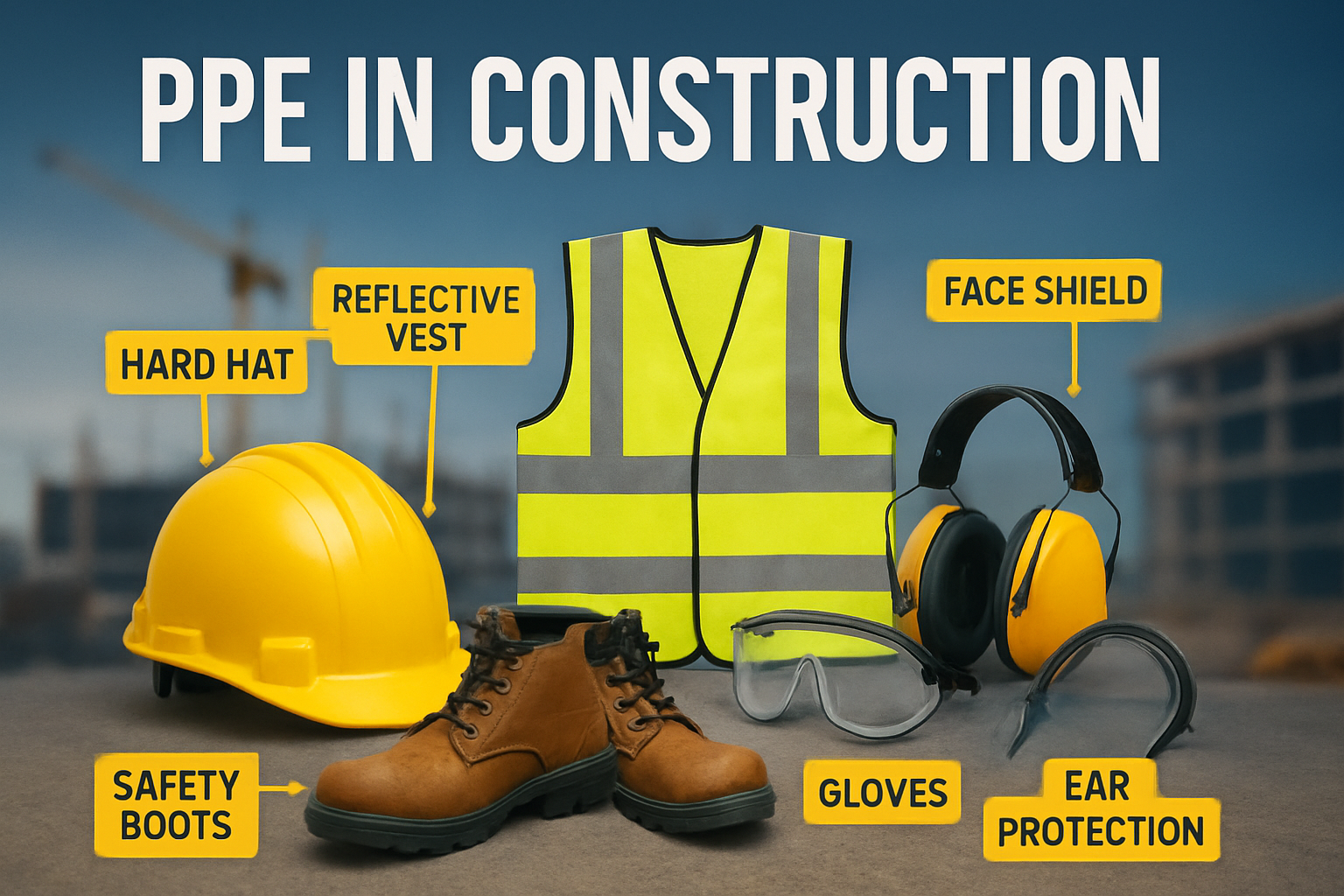
In the construction industry, personal protective equipment (PPE) is a critical aspect of ensuring worker safety. As a site engineer, contractor, or construction professional, maintaining a construction PPE checklist is essential for tracking whether workers are equipped with suitable protective gear and whether this equipment is fit for use. This article will guide you through creating an effective PPE inspection checklist, managing a PPE issue register, and recording the condition, replacement, and worker acknowledgment.
The Importance of a Construction PPE Checklist
A comprehensive PPE inspection checklist serves multiple purposes:
- It confirms that workers are wearing the appropriate protective gear based on the specific hazards present on the job site.
- It helps ensure that all PPE is regularly inspected, maintained, and replaced as necessary.
- It provides documentation that shows compliance with safety regulations and promotes accountability among workers.
By implementing a systematic approach to PPE management, you enhance safety culture and reduce the likelihood of accidents and injuries on-site.
Creating a Construction PPE Checklist
Crafting a construction PPE checklist involves several key elements:
1. Identify Necessary PPE Types
The first step is to determine the types of PPE required for your specific construction site. Common categories include:
- Head Protection: Hard hats
- Eye Protection: Safety goggles, face shields
- Respiratory Protection: Masks, respirators
- Hand Protection: Gloves (cut-resistant, chemical-resistant)
- Foot Protection: Steel-toed boots
- Body Protection: High-visibility vests, coveralls
2. Regular Inspection Protocol
Regular inspections are vital to determine whether the PPE is in good condition. Your checklist should include:
- Visual inspections for signs of wear, such as tears or cracks.
- Functional checks to ensure equipment operates as intended (e.g., testing respirator seals).
- Ensuring compliance with manufacturer guidelines regarding lifespan and replacement.
3. Recording Issues and Replacements
It’s crucial to maintain a PPE issue register that logs:
- Any defective equipment found during inspections.
- The date equipment was reported and replaced.
- Condition of used PPE and its disposal method.
4. Worker Acknowledgment
To promote accountability, include a section on your checklist for workers to acknowledge receipt of PPE. This can be done through:
- Signatures confirming that the worker has received and understands how to use the equipment.
- Regular training sessions to reinforce the importance of proper PPE usage.
PPE Issue Register Example
| Date | Worker Name | PPE Type | Issue Description | Replacement Date |
|---|---|---|---|---|
| 09/01/2023 | John Doe | Hard Hat | Crack on the side | 09/02/2023 |
| 09/01/2023 | Jane Smith | Safety Goggles | Scratched lens | 09/02/2023 |
Common Mistakes to Avoid
To ensure effective PPE management, watch out for these common pitfalls:
- Neglecting Regular Inspections: Skipping inspections can lead to continued use of damaged equipment.
- Inadequate Training: Failing to properly train workers on equipment use can lead to accidents.
- Poor Record-Keeping: Inaccurate logs can complicate compliance tracking and audits.
FAQs about Construction PPE Checklists
What should be included in a PPE inspection checklist?
A PPE inspection checklist should include types of PPE, inspection criteria, issue recording, and worker acknowledgment.
How often should PPE be inspected?
PPE should be inspected before each use and periodically based on usage and manufacturer guidelines.
What actions should be taken if PPE is found to be defective?
Immediately remove the defective PPE from service, notify the responsible person, and document the issue in the PPE issue register.
How do I ensure workers acknowledge PPE training?
Have workers sign a training log to confirm they’ve received proper PPE training and understand its use.
How can I improve PPE compliance on my site?
Regular inspections, comprehensive training, and visible reminders about PPE requirements can help improve compliance.
Conclusion
Maintaining an organized construction PPE checklist is essential for promoting safety on construction sites. By consistently tracking equipment issuance, ensuring proper condition, and encouraging worker acknowledgment, construction professionals can foster a safer working environment. Prioritize comprehensive inspections, clear record-keeping, and thorough training to enhance compliance and reduce the risk of accidents.