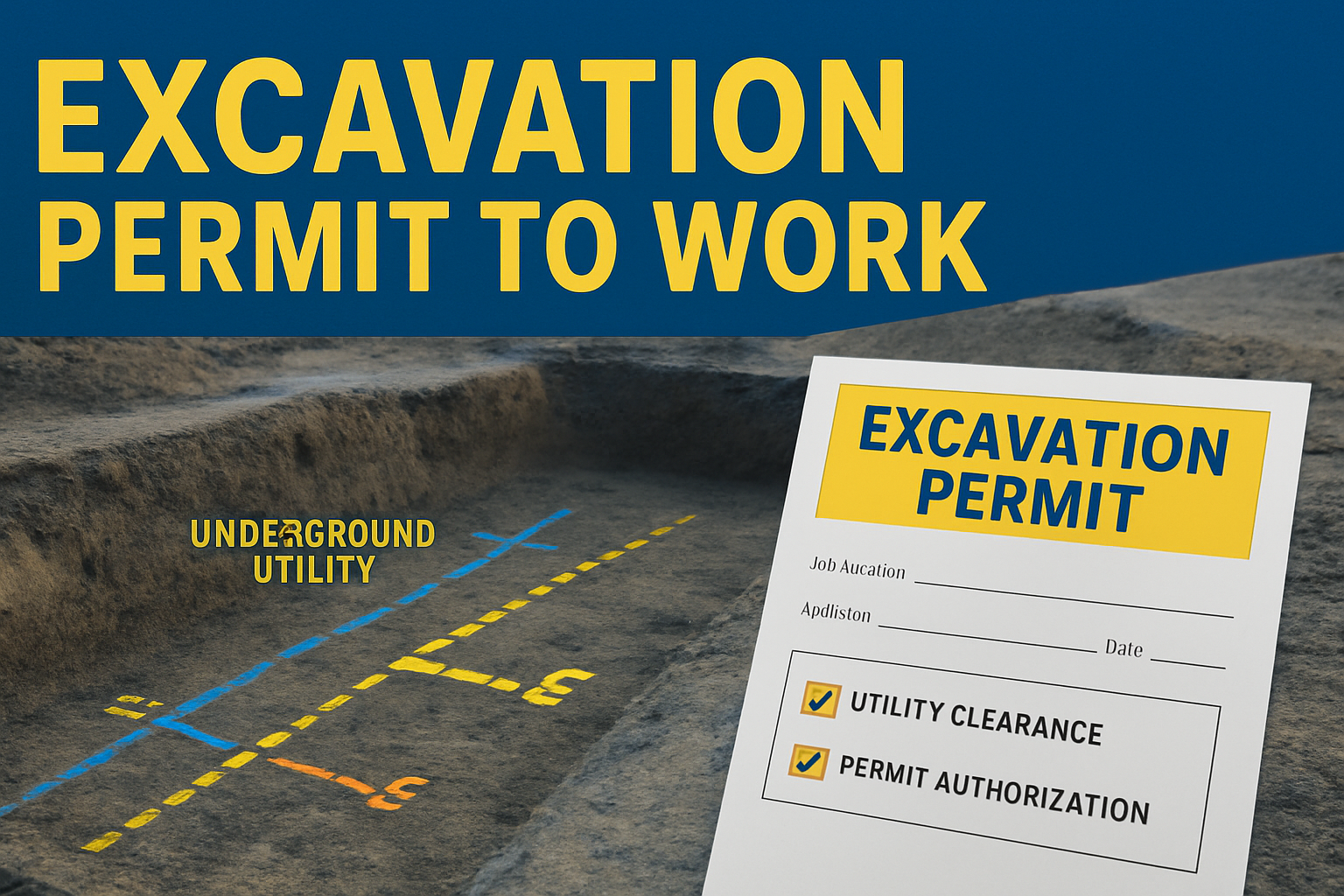
The permit to work system in construction is a critical framework designed to manage and control higher-risk activities on a construction site. This system serves to ensure that all safety precautions are evaluated and verified before work proceeds. It is an essential part of promoting a safe working environment and mitigating risks associated with hazardous tasks.
In this article, we’ll explore the various types of permit to work systems, their workflows, roles involved, and the important processes of handover, suspension, and close-out. Understanding the permit to work procedure will help construction professionals implement it effectively, ensuring compliance and safety on site.
What is a Permit to Work System?
A permit to work (PTW) system is a formalized process that authorizes specific work activities, often in environments associated with significant hazards. It outlines the conditions under which work can be performed, ensuring that necessary precautions and safety checks are in place. Commonly, these permits are utilized in various sectors, including construction, manufacturing, and maintenance.
Key Components of a PTW System
- Identification of Hazards: Recognizing specific hazards related to the work to be performed.
- Risk Assessment: Evaluating the risks associated with those hazards and determining controls.
- Method Statements: Providing detailed descriptions of how the tasks will be conducted safely.
- Authorization: Ensuring that qualified personnel approve the permit before work begins.
Types of Permit to Work Systems
There are several types of permits used in construction, each designed for specific high-risk activities. Understanding these types is essential for efficient workflow and adherence to safety protocols.
1. Hot Work Permit
This permit is required for any work involving open flames or heat-producing equipment, such as welding or cutting. It involves strict precautions to prevent fires and explosions.
2. Cold Work Permit
Issuance of a cold work permit is essential for activities that do not generate heat but may involve other risks (e.g., working at heights). Safety measures must still be defined and implemented.
3. Confined Space Entry Permit
This permit is necessary for work inside confined spaces where there may be limited ventilation or potential hazards such as toxic atmospheres. Continuous monitoring is crucial during these operations.
4. Electrical Work Permit
Required for maintenance or construction activities involving electricity, this permit ensures that all electrical systems are de-energized or adequately safeguarded.
Permit to Work Workflow
The workflow associated with the permit to work system in construction typically follows a structured process that involves several key stages:
- Application: The worker or contractor submits a request for a permit, detailing the planned activity and associated risks.
- Assessing Risks: Safety personnel evaluate the request, identifying potential risks and necessary safety measures.
- Permit Issuance: Once all conditions are met, the permit is authorized and issued to the applicant.
- Work Execution: The work commences under the stipulations outlined in the permit.
- Monitoring: Supervisors or safety officers monitor the worksite to ensure compliance with safety measures.
- Close-out: Post-task, the permit is closed following a review, ensuring all conditions were followed and the site is left safe.
Roles in the Permit to Work Process
Several roles are critical in the effective management of the PTW system:
- Permit Issuer: Typically a supervisor or safety officer responsible for granting and overseeing the permit and its requirements.
- Work Team: Personnel performing the work, responsible for adhering to the terms of the permit.
- Safety Officer: Monitors compliance and intervenes in case of unsafe practices.
- Permit Receiver: A designated person coordinating the permit transfer between workers and supervisors.
Common Mistakes in Permit to Work Systems
The implementation of a construction work permit can sometimes be flawed. Here are common pitfalls to avoid:
- Neglecting to involve the necessary personnel in the risk assessment.
- Failing to conduct adequate training on permit procedures for all team members.
- Overlooking the importance of periodic reviews of existing permits during projects.
- Not maintaining an accurate permit register to track active and completed permits.
Frequently Asked Questions
What is the main purpose of a permit to work system?
The main purpose of a permit to work system is to ensure that hazardous activities are safely managed, allowing for the identification and control of risks before work commences.
Who is responsible for issuing a permit to work?
Typically, a supervisor or safety officer exercises authority to issue a permit to work, ensuring all safety requirements are met prior to approval.
What are the consequences of not using a permit to work system?
Failure to use a permit to work system can lead to increased accidents, legal penalties, and potential damage to property and personnel due to ineffective hazard management.
How should a permit to work be documented?
A permit to work should be documented clearly, outlining the work planned, hazards identified, safety measures approved, and parties involved, all of which must be stored in a permit register.
Can a permit to work be suspended?
Yes, a permit to work can be suspended if unsafe conditions arise or if work is not being conducted as per the stipulated safety guidelines.
Conclusion
The permit to work system in construction is an indispensable tool for ensuring safety and compliance on site. By understanding the types of permits, their workflows, and the responsibilities involved, construction professionals can effectively implement this system, thereby fostering a culture of safety and vigilance. Whether for routine tasks or high-risk activities, a robust PTW system is essential to reducing incidents and supporting a safer working environment.